Overview of Russia’s Orlan-10 Drone Upgraded for EW
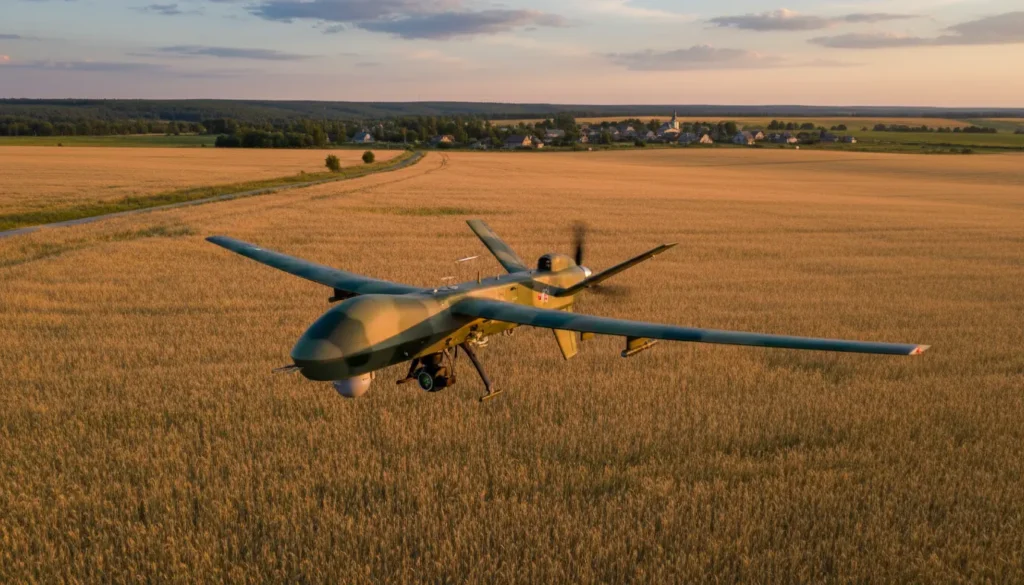
The Orlan-10 is a small unmanned aerial vehicle (UAV) originally designed for reconnaissance and artillery spotting. Recently, several variants and field modifications have been reported that focus on electronic warfare (EW) capabilities.
This article explains what the EW upgrades typically include, how they change operations, and what strengths and limits to expect when the Orlan-10 is used in an EW role.
What EW Upgrades Mean for the Orlan-10

Upgrading for EW shifts the Orlan-10 from a simple sensor platform to a system that can detect, jam, or intercept electronic signals. These modifications are usually modular, allowing the drone to retain reconnaissance functions while adding EW payloads.
Common EW tasks for a small UAV include electronic support (ES), electronic attack (EA), and limited electronic protection (EP). Each task requires different sensors and transmitters.
Key EW Upgrades
- Signal intercept and direction finding modules to locate radio emitters.
- Low-power jammers for GPS, radios, or data links in limited areas.
- Enhanced antennas and payload bays to host EW electronics.
- Improved onboard processing for signal analysis and real-time reporting.
- Encrypted command-and-control links to reduce vulnerability to hostile EW.
How Upgrades Change Operational Use
When equipped with EW payloads, the Orlan-10 can perform new roles beyond visual reconnaissance. It can detect enemy communications, provide targeting data for suppression, and create temporary local denial areas for specific frequencies.

Operators often use the drone in conjunction with ground-based EW systems and electronic intelligence (ELINT) collectors. This combined approach improves situational awareness and allows tactical targeting of electronic emitters.
Typical Mission Profiles
- Emitter mapping: flying grid patterns to log positions and frequencies of enemy radios and radars.
- Accompanied jamming: flying near friendly units to jam enemy short-range communications during an operation.
- Relay for EW sensors: acting as a node between dispersed sensors and command centers.
Benefits of an EW-Oriented Orlan-10
Small EW-capable drones provide tactical flexibility. They can get close to the front lines, operate at low altitude, and present a smaller logistical footprint than larger manned systems.
Advantages include faster deployment, lower cost per sortie, and the ability to test electronic effects in contested areas without risking a piloted platform.
Limitations and Risks

The Orlan-10 platform has fundamental limits in power, size, and endurance. These constraints reduce the range and output of EW transmitters that can be carried safely on the airframe.
Other limitations include vulnerability to air defenses, susceptibility to higher-end anti-drone EW, and potential legal and escalation risks when jamming civilian frequencies. Planning must account for these trade-offs.
Operational Risks to Consider
- Short jamming range compared with ground-based EW systems.
- Detection and targeting by enemy counter-UAV systems.
- Collateral interference with friendly systems or civilian infrastructure.
Practical Steps for Fielding an EW-Orlan-10
Units considering an EW-upgraded Orlan-10 should follow basic integration steps. These steps help maximize effectiveness while minimizing operational risks.
- Define the mission: prioritize detection, jamming, or both.
- Choose modular payloads that fit the Orlan-10 power and weight envelope.
- Test in controlled environments to measure range, frequency coverage, and interference patterns.
- Train operators in EW deconfliction to avoid harming friendly systems.
Case Study: Small-Unit Use of an EW-Upgraded Orlan-10
In a recent operational example, a tactical unit used an Orlan-10 equipped with a direction-finding payload to locate short-range enemy radio transmitters. The drone flew programmed passes over an area while transmitting emitter bearings to a ground station.
Once emitter locations were confirmed, the unit either adjusted electronic suppression measures or requested targeted fires. The quick emitter mapping reduced search time for ground teams and helped prioritize limited EW assets.
Example Checklist for a Mission
- Verify payload weight and power compatibility.
- Check frequency authorization and legal restrictions for jamming.
- Plan flight route to minimize exposure to known air defenses.
- Coordinate with friendly EW and communications teams to deconflict frequencies.
- Record and analyze signals for follow-up action.
Conclusion: Practical Outlook for Russia’s Orlan-10 Drone Upgraded for EW
Upgrading the Orlan-10 for EW gives tactical forces a compact tool for signal intelligence and limited jamming. The platform’s mobility and lower cost make it attractive for frontline use.
However, users must accept constraints in power, coverage, and survivability, and pair the drone with other assets and procedures to realize its full operational value.