What Is Home Composting?
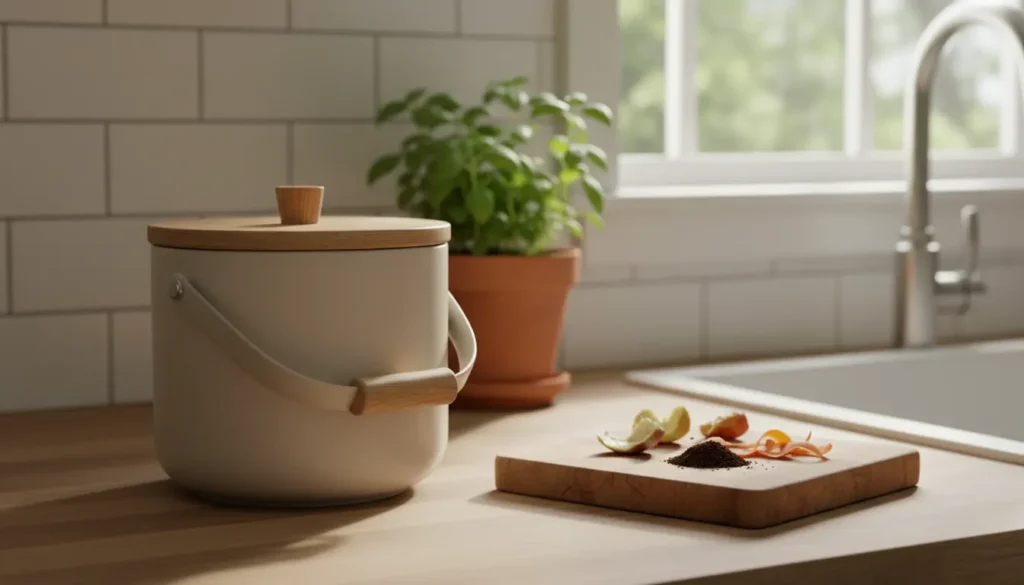
Home composting is the controlled decomposition of organic kitchen and garden waste into a nutrient-rich soil amendment. It reduces landfill waste and supplies plants with natural fertilizer.
Compost improves soil structure, retains moisture, and feeds beneficial microorganisms. Anyone can compost with minimal space and effort.
Why Start Home Composting?
Composting lowers household waste and cuts greenhouse gas emissions from landfills. It also saves money by reducing the need for store-bought fertilizers.
Gardens, potted plants, and lawns benefit from added organic matter. Home composting supports healthier plants and a circular household system.
How to Start Home Composting
Starting a compost pile or bin is straightforward. Follow simple steps to set up a reliable composting system that fits your space.
Choose the Right Location and Container
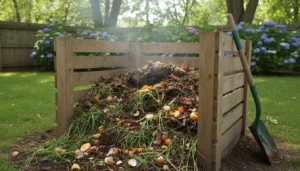
Select a location with partial shade and good drainage. For small spaces, use a tumbling bin, worm bin, or closed countertop collector that is emptied regularly.
Options include:
- Open compost pile for large yards
- Tumbling bin for faster mixing and easy turning
- Worm (vermicompost) bin for apartments and kitchens
Gather the Right Materials
Compost needs a balance of carbon-rich ‘browns’ and nitrogen-rich ‘greens’. Aim for a rough 3:1 ratio by volume of browns to greens.
Common materials:
- Greens: vegetable scraps, fruit peels, coffee grounds, fresh grass clippings
- Browns: dry leaves, shredded newspaper, cardboard, straw, wood chips
Layering and Maintenance
Layer materials to encourage airflow and decomposition. Start with coarse browns at the bottom, add greens, then cover with more browns.
Maintain your pile by:
- Turning or mixing every 1–2 weeks to add oxygen
- Checking moisture so the pile is as damp as a wrung-out sponge
- Adding browns if it smells or greens if it is too dry
Choosing a Compost Bin
Pick a bin that matches your household size and composting goals. Consider capacity, ease of turning, and pest resistance.
For beginners, a covered tumbler or a sealed kitchen caddy with an outdoor bin works well. Vermicomposting needs special trays and bedding for worms.
What Not to Compost
Avoid materials that attract pests or slow decomposition. Keep these out of home compost.
- Meat, fish, dairy, and oily foods
- Diseased plants or plants treated with persistent pesticides
- Pet waste from carnivores
- Large woody branches unless chipped
Troubleshooting Common Problems
Compost issues are usually easy to fix with small adjustments. Identify the symptom and use the recommended action.
- Bad odor: add dry browns and turn the pile
- Slow decomposition: chop materials smaller and keep pile moist
- Too wet: add more browns and improve drainage
- Flies or pests: use a closed bin and avoid food scraps on top
Using Finished Compost
Finished compost is dark, crumbly, and earthy-smelling. Use it as a top dressing, mix into potting soil, or work into garden beds.
Typical uses:
- Mix 1 part compost with 3 parts soil for planting
- Spread a 1-inch layer around established plants to improve soil
- Add to containers to increase water retention
Small Case Study: Apartment Compost Success
Maria, a city apartment resident, started vermicomposting using a two-tray worm bin on her balcony. She collected kitchen scraps in a small caddy and added shredded cardboard as bedding.
Within three months she produced rich castings used to top-dress houseplants. Her system reduced weekly trash by nearly 30% and improved plant health without odor complaints.
Quick Tips to Keep Composting Simple
- Store kitchen scraps in a sealed container in the fridge if you cannot empty daily.
- Shred or chop materials to speed up decomposition.
- Keep a small supply of dry browns near the bin for quick layering.
- Experiment with bin types to find what fits your routine and space.
Final Checklist Before You Start
- Choose a bin and location
- Collect a mix of browns and greens
- Monitor moisture and aeration weekly
- Harvest finished compost and reuse in your garden
With basic knowledge and a little routine, home composting becomes an easy and rewarding habit. Start small, learn by doing, and scale the system to your needs.