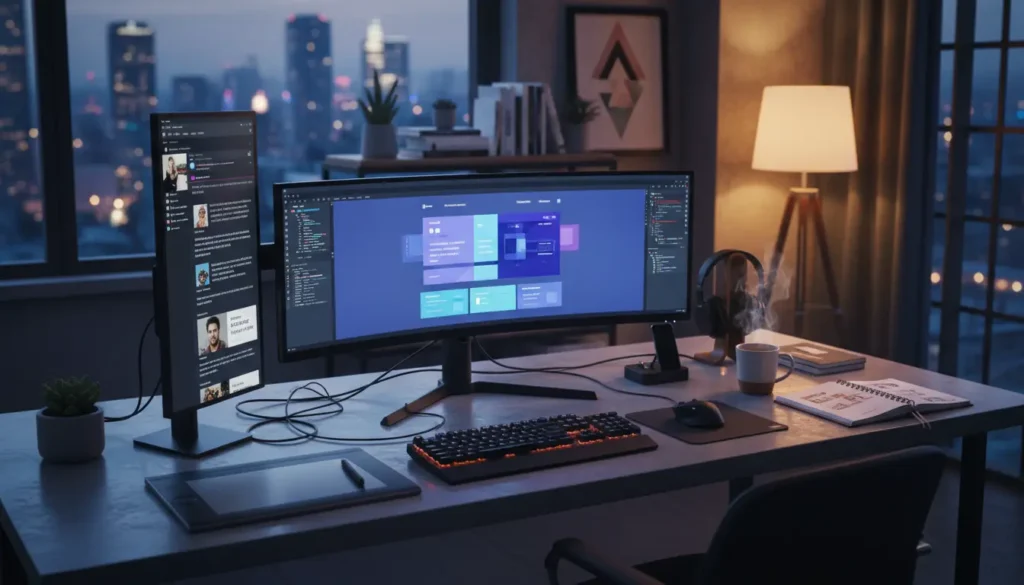
Freelance web design can be a practical way to earn and scale a service business. This guide walks you through clear steps to start freelance web design, find clients, and run projects without guesswork.
Why choose freelance web design
Freelance web design offers flexible hours and a low startup cost. Most work needs are around websites, landing pages, and basic UX, which you can deliver with common tools.
First steps to start freelance web design

Begin with a few foundational tasks that make you look and operate professionally. These steps reduce friction when clients evaluate you.
- Create a simple portfolio site that highlights 3–6 best projects or mockups.
- Decide on core services: full website builds, redesigns, or template customization.
- Set up basic business essentials: invoicing, a professional email, and a contract template.
Portfolio tips for freelance web design
Quality over quantity matters. Show projects that match the type of clients you want. Each portfolio item should explain the problem, solution, and measurable result.
Include screenshots, short descriptions, and a link or a case note if the live site is unavailable.
Essential tools

Use widely accepted tools to speed delivery and reassure clients. A common stack for beginners includes a page builder or CMS, design mockup software, and project management tools.
- CMS / Builders: WordPress, Webflow, or Squarespace
- Design: Figma or Adobe XD for mockups
- Project tools: Trello, Asana, or simple spreadsheets
- Communication: Slack, email, and video calls
Pricing strategies for freelance web design
Pick a pricing model that matches your confidence and the client’s needs. Common models are fixed-price, hourly, and value-based pricing.
For beginners, fixed-price for defined deliverables helps avoid scope creep. Clearly list what the price includes and what counts as extra.
Sample pricing framework
- Basic site (5 pages, template): fixed price
- Custom site (design + development): higher fixed price or milestone payments
- Hourly for maintenance or small updates
Find clients for freelance web design

Start with local networks and small businesses that need simple, fast websites. Use clear outreach messages and show relevant portfolio examples.
Channels that work well include freelance marketplaces, social media groups, and local business associations.
Client outreach checklist
- Identify target businesses and decision makers
- Send a short personalized email or message explaining how you can help
- Offer a quick audit or mockup to demonstrate value
- Follow up once after initial contact if there is no reply
Run projects efficiently
Clear processes reduce misunderstandings and protect your time. Use simple contracts and set expectations before work begins.
Break work into phases: discovery, design, development, review, and launch. Require milestone approvals and final sign-off.
Contract essentials
- Scope and deliverables
- Timeline and milestones
- Payment schedule and late fees
- Revisions policy and additional costs
- Ownership and maintenance terms
Common pitfalls and how to avoid them
New freelancers often underprice work, skip contracts, or accept unclear scope. Avoid these by documenting everything and using a baseline price list.
Protect your time with clear revision limits and defined response times for client feedback.
Small real-world example
Case study: Sarah, a graphic designer, moved into freelance web design by focusing on local cafés. She created three template-based site mockups tailored to cafés and contacted 20 local owners.
Within two months Sarah converted three owners into paying clients by offering a fast turnaround and simple maintenance plans. Her strategy: niche focus, relevant portfolio, and a clear fixed-price offer.
Scaling your freelance web design work
Once you have repeatable systems, scale by increasing prices, outsourcing specific tasks, or packaging services like SEO or hosting.
Create templates and checklists to reduce hours per project. Consider subcontracting development or design when demand grows.
Next steps to launch
- Build or update your portfolio with 3 focused examples
- Create a one-page pricing summary and contract template
- Reach out to 10 potential clients with a tailored message this week
Start small, measure results, and refine your approach. Freelance web design is a skill you can improve with every project, and predictable systems turn one-off jobs into a steady business.