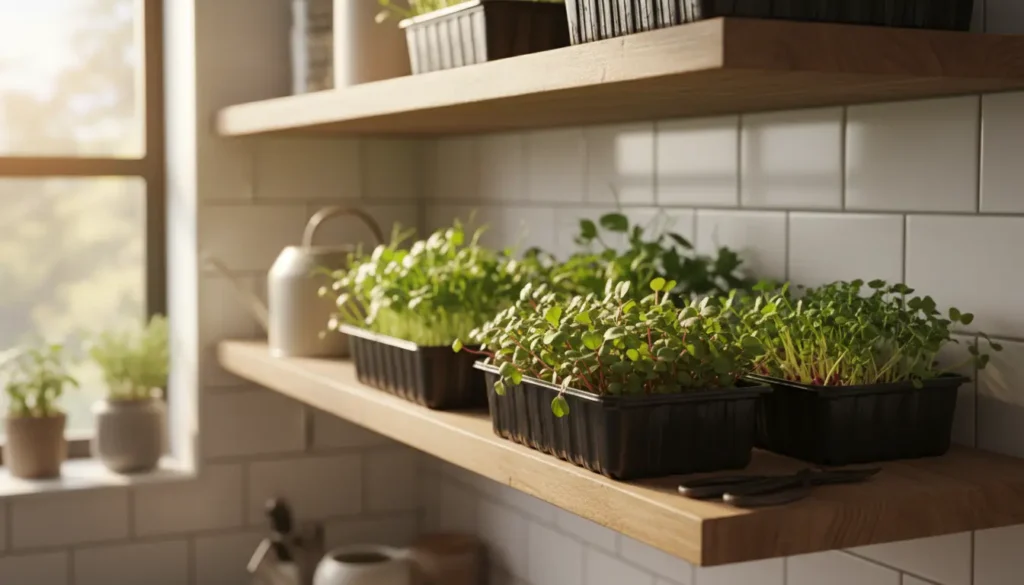
How to Start a Microgreens Business at Home
Starting a microgreens business at home is a low-cost way to enter food production and local markets. Microgreens require little space and short grow cycles, making them ideal for small entrepreneurs.
Why Choose a Microgreens Business
Microgreens offer high value per square foot and fast turnaround times. They appeal to restaurants, farmers markets, and health-conscious consumers looking for fresh, flavorful greens.
Basic Requirements for a Home Microgreens Business
Before you begin, confirm local regulations for selling food from home. Basic needs include trays, soil or growing pads, seeds, lighting, and a clean workspace.
Essential Equipment and Supplies
- Growing trays, lids, and drainage trays
- Growing medium: coconut coir, soil, or hydroponic mats
- High-quality seeds labeled for microgreens
- LED grow lights or a bright south-facing window
- pH strips, spray bottle, and a scale for packaging
Estimated Startup Costs
Typical initial costs are low compared with other food businesses. You can start small and scale.
- Starter kit (trays, seeds, lights): $150–$400
- Initial seed inventory and media: $50–$150
- Packaging, labels, and basic marketing: $50–$200
Step-by-Step Growing Process for Microgreens
Follow a repeatable routine to keep quality consistent. A typical grow cycle is 7–21 days depending on variety.
Germination and Growth
1. Fill trays with your chosen growing medium and level it. 2. Evenly sow seeds to create a dense canopy. 3. Mist gently, cover if needed to encourage germination, and keep warm.
Lighting and Watering
After germination, expose trays to 12–16 hours of light daily. Water from the top with a fine mist or use bottom watering to avoid mold.
Harvesting and Packaging
Harvest with clean scissors when the first true leaves appear. Rinse only if required, dry with a salad spinner or paper towel, and pack in breathable clamshells or labeled bags.
Choosing Microgreens Varieties
Select varieties that balance taste, appearance, and sales potential. Offer a mix of classic and specialty greens.
- Popular: sunflower, radish, broccoli, arugula
- Specialty: basil, cilantro, amaranth, purple kohlrabi
- Consider flavor intensity and shelf life when choosing stock
Pricing and Sales Channels for Microgreens Business
Price microgreens by weight or container. Local markets commonly charge $20–$40 per pound equivalent, or $3–$7 per 2–4 ounce clamshell.
Where to Sell Microgreens
- Farmers markets and pop-up stands
- Local restaurants and chefs who value fresh garnishes
- Community-supported agriculture (CSA) add-ons
- Online local marketplaces and delivery services
Marketing Tips for a Home Microgreens Business
Effective local marketing leverages freshness and quality. Build relationships with chefs and use simple branding to stand out.
- Offer free samples to chefs and at markets
- Use clear labels with harvest date and storage tips
- Share photos and short videos of your grow process on social media
- Provide recipes or serving suggestions to encourage repeat purchases
Small Case Study: Local Microgreens Startup
Example: Sarah converted a 6-shelf unit in her garage into a microgreens station. She started with 20 trays and grew sunflower and radish. Within three months she supplied two restaurants and a farmers market.
Results: Initial investment $300, monthly revenue after month three $900, gross margin ~60%. Key to success was consistent quality and weekly chef deliveries.
Common Challenges and Solutions
Mold, inconsistent germination, and shelf life are common issues. Keep trays well-ventilated, maintain cleanliness, and monitor moisture carefully.
- Mold: reduce humidity and improve airflow
- Uneven growth: check seed density and light distribution
- Short shelf life: harvest at the right stage and use breathable packaging
Quick Startup Checklist
- Confirm local food sales regulations and permits
- Buy trays, seeds, media, and lights
- Set a grow schedule and record yields
- Prepare labels, prices, and a simple sales pitch for buyers
- Start small, collect feedback, and scale gradually
Final Tips to Grow a Profitable Microgreens Business at Home
Focus on consistency, cleanliness, and customer relationships. Track costs and yields to refine pricing and choose the most profitable varieties.
With modest startup costs and a repeatable process, a home microgreens business can become a reliable local food venture within a few months.