What Is Composting and Why Start Composting at Home?
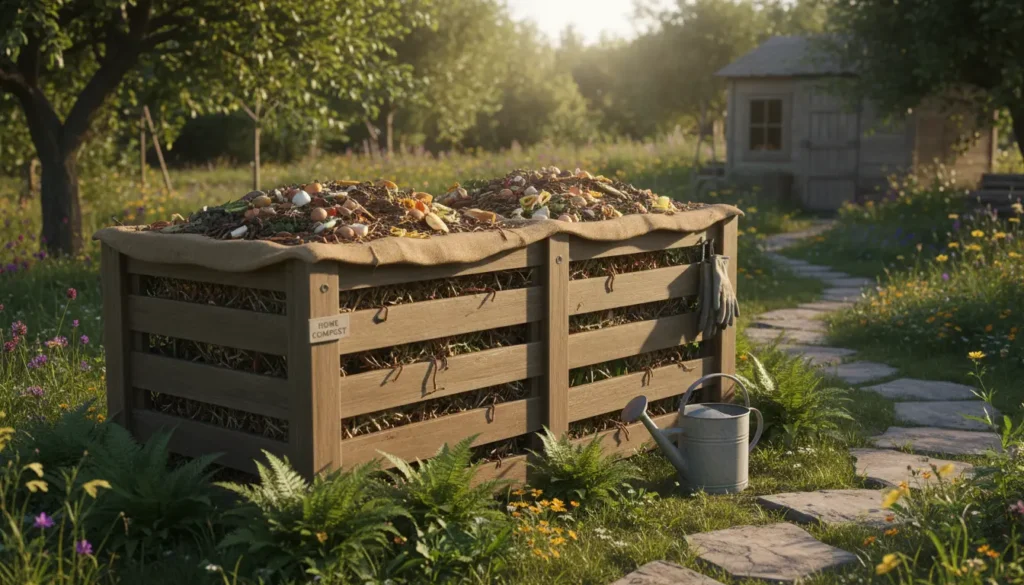
Composting is the natural process of breaking down organic waste into nutrient-rich soil. Starting composting at home reduces landfill waste and produces material you can use in gardens or potted plants.
Home composting saves money and improves soil structure, water retention, and plant health. It is simple to begin with basic tools and regular attention.
How to Start Composting at Home: Step-by-Step
Follow these practical steps to set up a reliable home compost system. Each step is actionable so you can start within a few hours.
1. Choose a Composting Method
Pick a method that fits your space and schedule. Common options include backyard bins, tumblers, pile composting, worm composting, and indoor bokashi systems.
- Backyard bin: Low maintenance, good for yard waste.
- Tumbler: Easier turning, faster results in smaller spaces.
- Worm bin (vermicomposting): Great for kitchen scraps and apartments.
- Bokashi: Fermentation method for small indoor spaces and all food scraps.
2. Pick a Location and Container
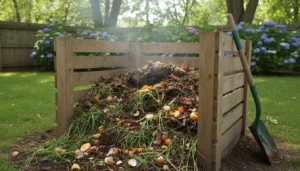
Place outdoor bins on bare soil if possible to allow worms and microbes to enter. Choose a shaded spot to keep moisture steady and avoid extremes.
For indoor or balcony composting, use a compact worm bin or bokashi bucket and keep it ventilated to avoid odors.
3. Gather Materials: Browns and Greens
Successful composting balances carbon-rich “browns” and nitrogen-rich “greens.” Browns are dry and bulky, while greens are moist and protein-rich.
- Greens: vegetable scraps, coffee grounds, fresh grass clippings.
- Browns: dry leaves, shredded paper, straw, cardboard.
A good mix is roughly 2–3 parts browns to 1 part greens by volume for many systems.
4. Build and Maintain the Pile
Layer materials rather than dumping everything in one spot. Start with a base of coarse browns to help airflow, then alternate greens and browns.
Turn or mix the pile every 1–2 weeks for aerobic composting. Tumblers make turning easier and speed up decomposition.
5. Monitor Moisture and Temperature
Compost should be as damp as a wrung-out sponge. Add water if it dries, or add browns and improve aeration if it becomes soggy and smelly.
Hot composting (131–160°F or 55–70°C) kills pathogens and seeds faster, but cold composting still works; it just takes longer.
What Not to Put in Your Compost When You Start Composting at Home
Avoid adding meat, dairy, diseased plants, and oily foods to standard compost piles. These items can attract pests or slow decomposition.
- Avoid: meat, fish, dairy, bones, pet waste, diseased plants, large quantities of citrus or onion.
- Okay in small amounts or with proper systems: citrus peels, cooked food (in bokashi or well-managed bins).
Troubleshooting Common Problems
If your compost smells rotten, it is likely too wet or lacking oxygen. Turn the pile and add dry browns to restore balance.
If decomposition is slow, add greens and increase turning frequency. Cold weather slows the process; insulate or be patient.
Did You Know?
One ton of food waste diverted to compost can prevent about 0.5 to 1 ton of CO2 equivalent from entering the atmosphere, depending on local landfill methane capture.
Small Real-World Example: Sarah’s Balcony Worm Bin
Sarah lives in an urban apartment and started a worm bin on her balcony. She used a two-tray plastic worm composter and red wiggler worms.
Within three months she reduced her kitchen waste by 60% and produced enough worm castings to feed two large potted herbs each month. Her bin required feeding twice weekly and occasional moisture checks.
Tips to Speed Up Results When You Start Composting at Home
- Chop or shred materials so microbes can break them down quicker.
- Keep the pile warm and moist for faster microbial activity.
- Use a compost activator like finished compost, manure, or garden soil to introduce microbes.
- Turn the pile regularly to maintain oxygen levels for aerobic breakdown.
Final Checklist to Start Composting at Home
- Choose a method that fits your space (bin, tumbler, worm bin, bokashi).
- Gather a basic mix of browns and greens.
- Place the container in a suitable spot and monitor moisture.
- Turn or manage the system regularly and harvest finished compost when ready.
Starting composting at home is a practical step anyone can take to reduce waste and improve garden soil. Begin small, adjust as you learn, and enjoy the rewards of richer soil and lower household waste.