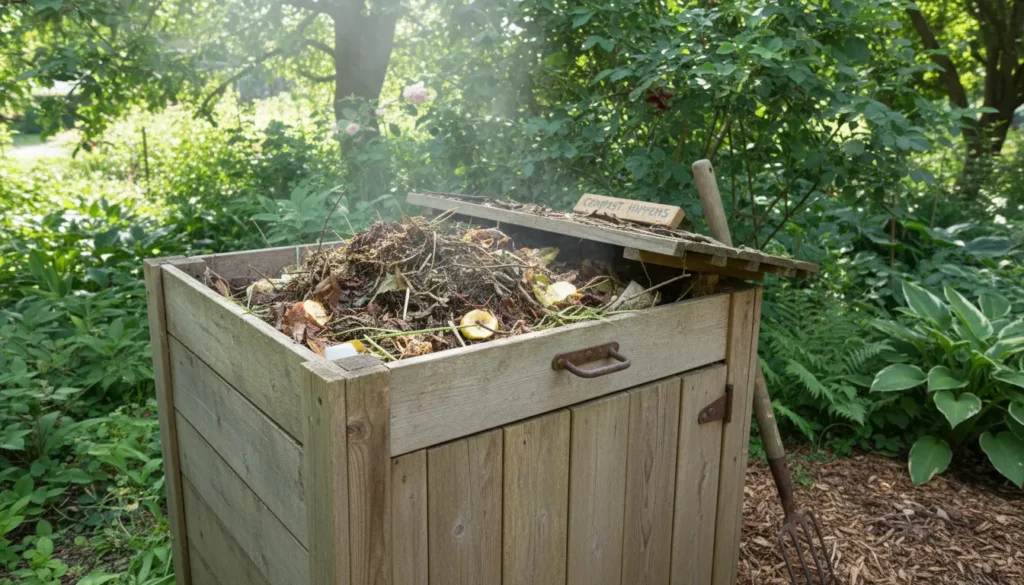
What is Home Composting and Why It Matters
Home composting is the process of turning kitchen scraps and yard waste into nutrient-rich soil. It reduces trash sent to landfills and produces compost you can use in gardens and potted plants.
This guide is for beginners who want a practical, step-by-step approach to starting a compost system at home.
Basic Principles of Home Composting

Compost works when organic materials break down with the help of microbes, air, moisture, and the right mix of materials. Balance, airflow, and regular maintenance speed up the process.
Keep these three elements in mind: carbon (browns), nitrogen (greens), and moisture. Aim for the right mix for efficient decomposition.
Carbon and Nitrogen: What to Add
Carbon-rich items are called browns; nitrogen-rich items are called greens. A common target is roughly 3 parts browns to 1 part greens by volume.
- Browns: dry leaves, shredded paper, cardboard, straw
- Greens: vegetable scraps, fresh grass clippings, coffee grounds
Choosing a Compost Bin for Home Composting

Selecting the right bin depends on space, budget, and how fast you want compost. Options include tumblers, stationary bins, or a simple pile.
Tumblers are easier to turn and speed up composting. Stationary bins hold more material and can be less expensive. For small balconies, a worm bin or bokashi system may be better.
Bin Placement and Setup
Place your bin on bare soil if possible to allow worms and microbes to access the pile. Keep it in partial shade to maintain steady moisture and temperature.

Set up a base layer of coarse browns (twigs or straw) to improve airflow at the bottom.
Step-by-Step Start Guide for Home Composting
Follow these practical steps to begin your home composting system.
- Collect kitchen scraps in a small container with a lid. Empty them into the outdoor bin regularly.
- Add a layer of browns after adding greens to maintain balance and reduce odors.
- Mix or turn the pile every 1–2 weeks. Turning adds oxygen and speeds up decomposition.
- Monitor moisture; the pile should feel like a wrung-out sponge. Add water or dry browns as needed.
- Wait 2–12 months depending on method and conditions; finished compost is dark, crumbly, and earthy-smelling.
Quick Checklist for Daily Use
- Collect scraps in a covered indoor bin
- Keep a supply of shredded paper or dry leaves handy
- Turn the pile regularly to introduce air
- Cover fresh food waste with a layer of browns to deter pests
Troubleshooting Common Home Composting Problems
Problems are usually easy to fix once you identify the cause. Odor, slow breakdown, and pests are the most common issues.
Bad Smell
A sour or rotten smell usually means too much moisture or too many greens. Add dry browns and turn the pile to add air.
Slow Composting
If materials are not breaking down, the pile may be too dry, too cold, or lacking in nitrogen. Moisturize, add small green scraps, and increase turning to raise internal temperature.
Pests
To deter rodents and flies, avoid adding cooked food, meat, or dairy. Use a bin with a secure lid and bury food scraps under a layer of browns.
Small Real-World Example: A Family Compost Case Study
Case: A family of four in a suburban home started a 200-liter stationary bin in spring. They collected fruit and vegetable scraps, coffee grounds, and yard leaves.
Action: The family added a cup of shredded paper weekly, turned the pile every two weeks, and kept it moist. They avoided meat and dairy to prevent pests.
Result: After six months, they produced about 150 liters of finished compost. They used it to refresh flower beds and supplement potted herbs, reducing their weekly trash volume by roughly one third.
Using Finished Compost
Finished compost can be used as a soil amendment, top dressing, or mixed into potting soil. Apply a 1–2 inch layer to vegetable beds or mix 10–30% compost into potting mixes.
Store finished compost in a covered bin or use it immediately for best nutrient value.
Final Tips for Successful Home Composting
- Keep materials small—chop larger scraps to speed decomposition.
- Maintain a balanced mix of browns and greens.
- Monitor moisture and aerate regularly.
- Be patient—natural composting takes time but requires low ongoing effort.
Starting home composting is a low-cost, high-impact way to reduce waste and improve your soil. With the right bin, balance, and a little maintenance, most beginners can produce useful compost within months.



