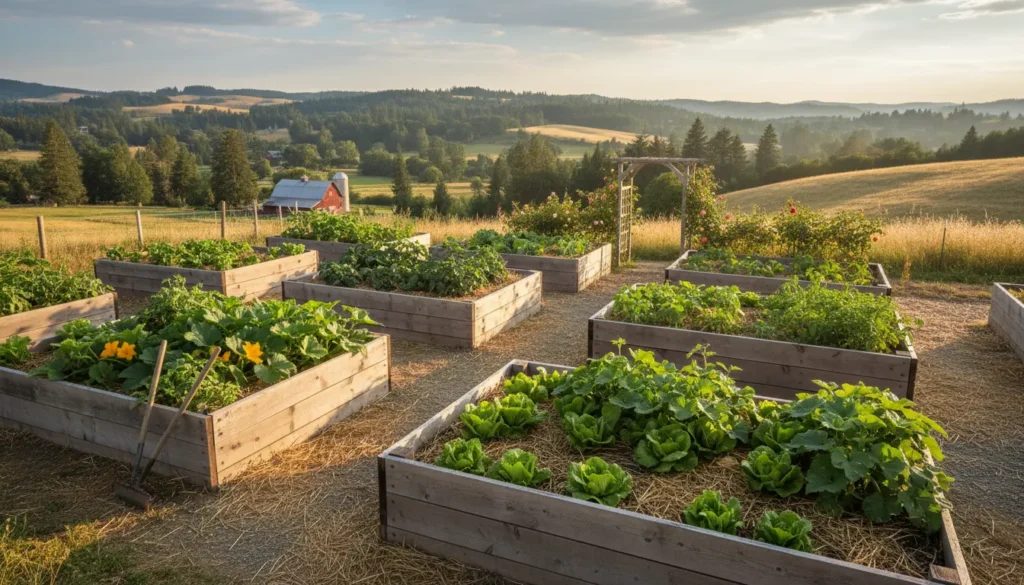
How to Start a Vegetable Garden: Step-by-Step
Starting a vegetable garden is practical and achievable with basic planning. This guide explains clear steps you can follow to get vegetables growing in weeks.
How to Start a Vegetable Garden: Plan Your Space
Choose a location that gets at least six hours of direct sunlight daily. Vegetables need sun for good yields and disease resistance.
Consider proximity to water, ease of access, and visibility for regular care. Small spaces like balconies or patios can work with containers.
How to Start a Vegetable Garden: Select the Right Layout
Pick a layout that matches your time and budget. Common options include in-ground rows, raised beds, and containers.
- Raised beds: Better drainage and soil control; good for beginners.
- In-ground: Cheaper but may need more soil improvement.
- Containers: Ideal for patios, decks, or poor soil.
Preparing Soil and Choosing Plants
Soil quality affects plant health and yields more than anything else. Test or assess soil to decide if you need amendments.
Soil Prep When You Start a Vegetable Garden
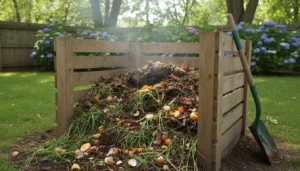
Start by removing weeds and adding organic matter. Compost or well-rotted manure improves texture and nutrients.
Simple soil steps:
- Loosen soil to 6–12 inches for most vegetables.
- Add 2–3 inches of compost, mix well.
- If soil is heavy clay, add coarse sand or wood chips and more compost.
Choosing Plants for Your First Vegetable Garden
Start with easy, high-success crops. Consider your climate and growing season length.
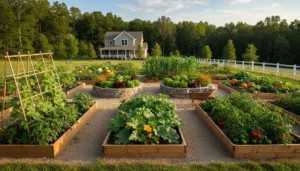
Beginner-friendly choices:
- Leafy greens: lettuce, spinach, Swiss chard.
- Root vegetables: radishes, carrots, beets.
- Warm-season crops: tomatoes, peppers, bush beans (start after last frost).
Planting and Early Care
Follow seed packet or plant tag instructions for spacing and depth. Proper spacing reduces disease and improves airflow.
Watering When You Start a Vegetable Garden
Water deeply and less often to encourage strong roots. Aim for consistent moisture rather than frequent light sprinkling.
General watering tips:
- Water at the base of plants to keep leaves dry.
- Use a soaker hose or drip irrigation for efficiency.
- Mulch with straw or bark to retain moisture and suppress weeds.
Feeding and Maintenance
Fertilize based on plant needs and soil test results. A balanced slow-release fertilizer or regular compost tea is usually enough for beginners.
Keep an eye on pests and remove affected leaves early. Hand-pick large pests and use barriers like row covers when needed.
Harvesting and Seasonal Care
Harvest vegetables at peak ripeness for best flavor and to encourage continued production. Many crops produce more if regularly picked.
End-of-season tasks:
- Remove spent plants to reduce disease carryover.
- Add compost and cover crop if you won’t plant in winter.
- Store seeds from heirloom plants or plan next season’s layout.
Many common vegetables, like lettuce and radishes, can be ready to harvest within 30 days from sowing. Fast crops give quick results and help beginners stay motivated.
Common Mistakes and How to Avoid Them
New gardeners often overwater, overcrowd plants, or plant at the wrong time. These errors reduce yields and increase pests.
How to avoid common problems:
- Check frost dates and plant accordingly.
- Follow spacing guidelines on seed packets.
- Test moisture before watering—stick your finger into the soil.
Case Study: One-Season Raised Bed Success
Anna, a beginner, set up two 4×8 raised beds in a sunny backyard corner. She filled them with a mix of topsoil and compost and planted tomatoes, lettuce, radishes, and bush beans.
With consistent watering and weekly checks for pests, Anna harvested lettuce within 30 days and tomatoes by midsummer. Her beds produced continuous salads and enough beans for freezing. The raised beds improved soil warmth and reduced weeds, saving time on weeding.
Quick Checklist: How to Start a Vegetable Garden
- Choose a sunny location near water.
- Decide layout: in-ground, raised bed, or containers.
- Prepare soil with compost; test if unsure.
- Select beginner-friendly vegetables suited to your climate.
- Plant at proper depth and spacing; mulch and water deeply.
- Monitor for pests, fertilize if needed, and harvest regularly.
Starting a vegetable garden is a seasonal learning process. Keep notes on planting dates, varieties, and yields. Over time you will refine choices and enjoy better harvests with less effort.