How to Start a Vegetable Garden: Overview
Starting a vegetable garden is a practical way to grow fresh food, save money, and learn about plants. This guide explains how to start a vegetable garden with clear, step-by-step actions you can follow.
Plan Your Garden
Good planning saves time and increases success. Begin by choosing what vegetables you and your family actually eat and what grows well in your climate.
Choose Location and Space

Most vegetables need 6–8 hours of direct sun daily. Pick a flat or gently sloped area with good drainage. If you lack ground space, use containers or raised beds.
Decide Between Seeds and Transplants
Seeds are cheaper and offer more variety, but transplants give faster results and are easier for beginners. Check local planting dates for best timing.
Prepare Soil and Containers
Soil quality is the foundation of a productive vegetable garden. Good soil holds nutrients, water, and air for roots to grow.
For In-Ground Gardens

Test soil pH and nutrients with a kit or local extension service. Add compost and well-rotted manure to improve texture and fertility. Aim for loose, crumbly soil to a depth of at least 12 inches for most vegetables.
For Containers and Raised Beds
Use a high-quality potting mix or a blend of compost, peat or coconut coir, and perlite for drainage. Containers should be large enough for the mature root system of each crop.
Planting Tips
Plant at the right time and follow spacing recommendations to avoid overcrowding. Overcrowded plants compete for light and nutrients and are more disease-prone.
- Follow seed packet or plant tag instructions for depth and spacing.
- Stagger plantings to extend harvest over weeks rather than getting everything at once.
- Group plants with similar water and light needs together.
Companion Planting Examples

Some simple pairings include tomatoes with basil, carrots with onions, and beans with corn. These combinations can reduce pests and improve growth when chosen thoughtfully.
Watering and Feeding
Consistent watering is critical. Vegetables typically need 1–1.5 inches of water per week, adjusted for rainfall and heat.
- Water early in the day to reduce disease risk.
- Use drip irrigation or soaker hoses to deliver water to roots efficiently.
- Mulch with straw or shredded bark to retain moisture and suppress weeds.
Fertilizing
Use a balanced organic fertilizer at planting and side-dress with compost or a nitrogen source for heavy feeders like corn and peppers. Avoid over-fertilizing which can reduce flavor and invite pests.
Pest and Disease Management
Healthy soil and proper spacing lower the chance of pests and diseases. Early detection and simple actions often control problems without chemicals.
- Inspect plants weekly for holes, discoloration, or sticky residue.
- Use row covers to protect young plants from insects.
- Hand-pick larger pests and introduce beneficial insects like ladybugs for aphid control.
When to Use Organic Treatments
Apply insecticidal soaps, neem oil, or Bacillus thuringiensis (Bt) only when necessary and according to product directions. Prioritize prevention and sanitation first.
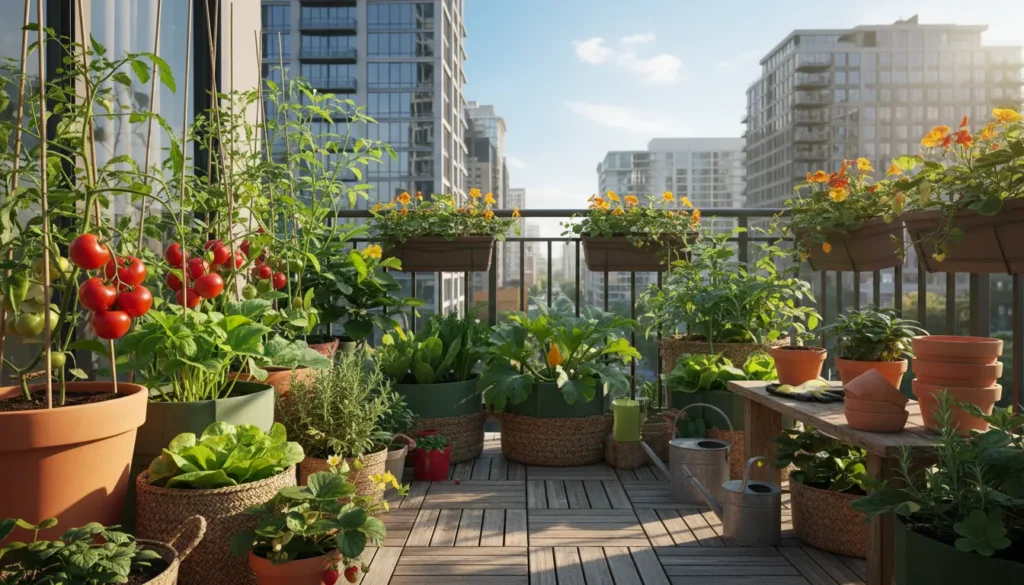
Many common vegetables can be grown in containers as small as 1–5 gallons, including herbs, lettuce, radishes, and dwarf tomatoes. Container gardening is ideal for balconies and small yards.
Harvesting and Storage
Harvest vegetables at peak ripeness for the best flavor and nutrition. Learn the signs of maturity for each crop, such as firm pods for peas or glossy skins for cucumbers.
- Harvest leafy greens regularly to encourage new growth.
- Store root crops in a cool, dark place to extend shelf life.
- Preserve excess by canning, freezing, or pickling.
Small Real-World Case Study
Sarah, a city renter, started a container garden on her small balcony. She selected three large containers for tomatoes, two for peppers, and several small pots for herbs.
Using a commercial potting mix and slow-release organic fertilizer, she staggered seedings and checked moisture daily. By late summer she harvested regular bowls of cherry tomatoes and fresh basil, reducing grocery trips and inspiring neighbors to try container gardening too.
Quick Checklist: How to Start a Vegetable Garden
- Choose site or containers with adequate sun.
- Decide seeds vs transplants and pick crops suited to your climate.
- Improve soil with compost or use quality potting mix for containers.
- Water consistently and mulch to retain moisture.
- Monitor for pests and apply organic controls when needed.
- Harvest on schedule and preserve excess produce.
Final Tips
Start small and expand as you gain experience. Keep a simple journal of planting dates and results to learn what works in your space.
Local extension services and gardening groups are great resources for region-specific advice. With a little planning and regular care, you can enjoy fresh vegetables from your own garden.



