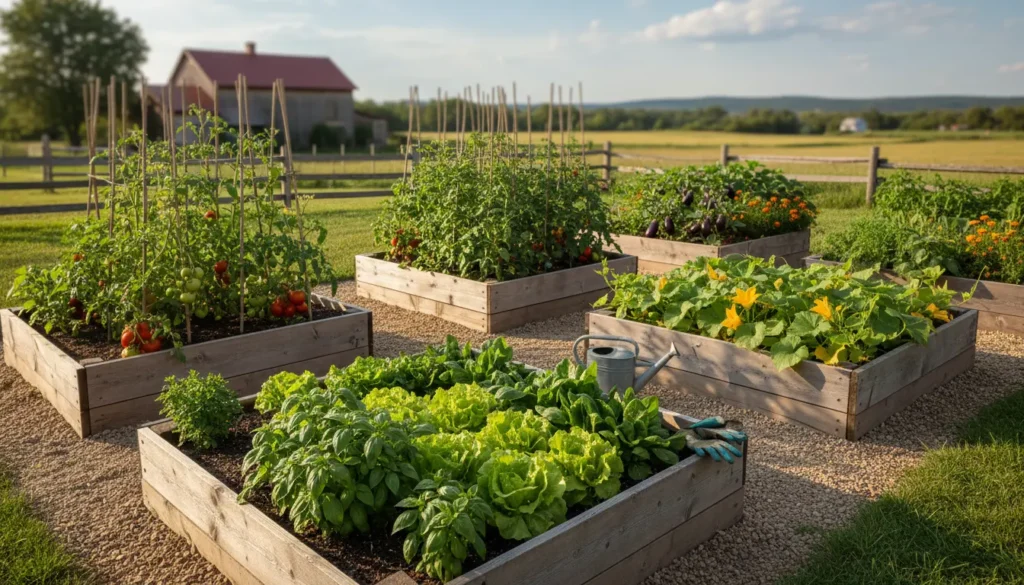
Starting a vegetable garden can be straightforward with the right steps. This guide explains how to start a successful vegetable garden with practical, actionable advice you can follow this season.
How to Start a Successful Vegetable Garden: Plan First
Good planning reduces mistakes and saves time. Choose a location that gets at least 6 hours of sun and has easy access to water.
Sketch a small layout before buying seeds. Decide whether to use in-ground beds, raised beds, or containers based on space and soil quality.
Choose crops based on space and climate
Pick vegetables that suit your growing zone and the season. Beginners should focus on fast, forgiving crops like lettuce, radishes, and bush beans.
- Good beginner vegetables: lettuce, spinach, radish, string beans, cherry tomatoes, and zucchini.
- Consider maturity days on seed packets to time plantings.
- Start with 3–6 types of vegetables to keep care manageable.
Soil and Preparation for a Successful Vegetable Garden
Soil quality is the single biggest factor in your garden’s success. Test the soil to learn pH and nutrient levels before planting.
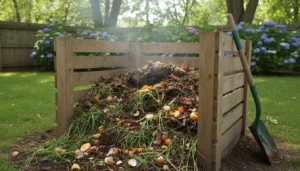
Improve poor soil with organic matter. Compost, well-rotted manure, and leaf mold boost fertility and structure.
How to test and amend soil
Use a home test kit or send a sample to a local extension service. Aim for a pH between 6.0 and 7.0 for most vegetables.
- If soil is compacted, add 2–4 inches of compost and turn it into the top 6–8 inches.
- Sandy soils need organic matter to retain moisture.
- Clay soils benefit from gypsum and organic matter to improve drainage.
Planting and Spacing Tips
Follow seed packet or plant tag spacing to avoid overcrowding. Proper spacing improves air flow and reduces disease risk.
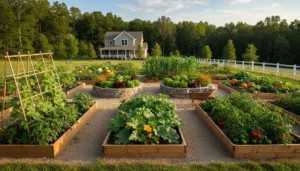
Stagger plantings to extend harvest. For example, sow lettuce every two weeks for a continuous supply.
Direct sow vs. transplanting
Direct sow root crops like carrots and beets. Transplant tomatoes and peppers started indoors for a head start on the season.
- Direct sow: carrots, radishes, beans, peas.
- Transplant: tomatoes, peppers, eggplants, brassicas when seedlings are strong.
Watering and Maintenance
Water deeply and infrequently rather than shallow daily watering. Deep watering encourages stronger roots and drought tolerance.
Mulch conserves moisture and suppresses weeds. Use straw, shredded leaves, or compost as a 2–3 inch layer around plants.
Basic maintenance checklist
- Water 1–2 times per week depending on weather and soil type.
- Weed weekly to reduce competition for nutrients.
- Inspect for pests and disease every few days and remove affected leaves promptly.
Pest and Disease Control
Start with prevention: healthy soil, proper spacing, and crop rotation will reduce many problems. Use row covers to protect young plants from insects.
For pests, try manual removal, soapy water sprays, or biological controls like beneficial insects. Reserve chemical controls as a last resort.
Integrated pest management tips
- Encourage predators such as ladybugs and lacewings by planting flowers like alyssum or dill.
- Rotate families each year (e.g., nightshades, brassicas, legumes) to break pest cycles.
- Remove diseased plants promptly to prevent spread.
Harvesting and Yield Optimization
Harvest regularly to encourage continued production, especially with crops like beans and zucchini. Picking early often improves flavor and texture.
Keep a simple journal: planting dates, varieties, and yields help you refine choices for next season.
Small Case Study: A Beginner’s 10×4 Raised Bed
Anna, a new gardener, used a 10×4 foot raised bed to start. She chose three vegetables: cherry tomatoes, bush beans, and leaf lettuce.
She amended the bed with 4 inches of compost, planted tomatoes at the back, beans in the middle, and staggered lettuce in front.
By following watering and mulching routines and harvesting every week, she produced enough salad greens for her household and a steady supply of tomatoes over three months.
Simple Budget and Tools Checklist
You do not need expensive tools to start. Focus on these essentials to start a successful vegetable garden.
- Hand trowel and fork
- Watering hose or watering can
- Compost or well-rotted manure
- Mulch material
- Seed packets or starter plants
Final Steps to Start
Plan your beds, improve soil, choose beginner-friendly crops, and maintain watering and pest checks. Start small and scale up as you gain experience.
With regular care and simple records, you can learn how to start a successful vegetable garden and enjoy fresh produce all season.