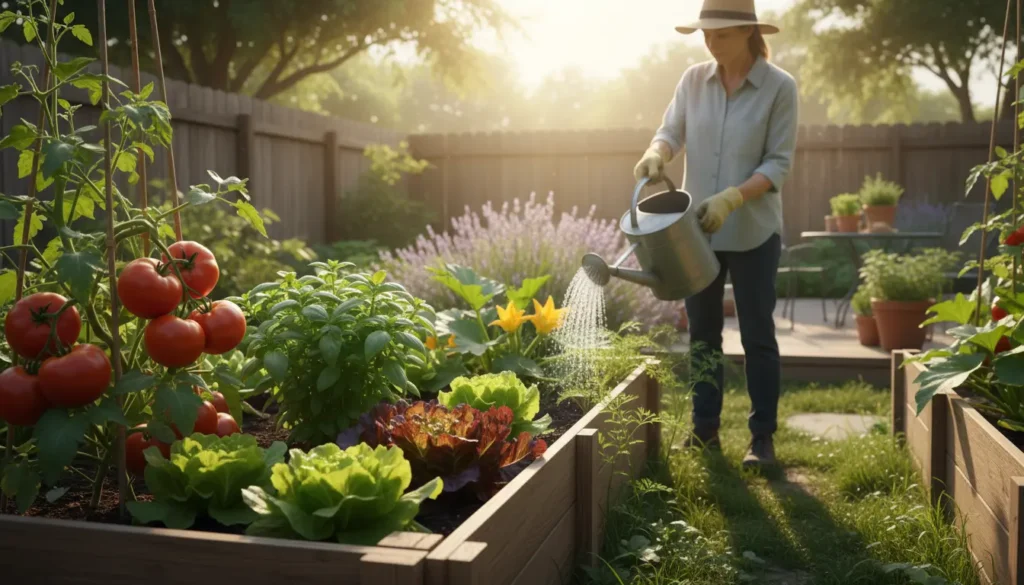
Why choose a raised bed vegetable garden
Raised bed vegetable gardens make growing food easier in small spaces and poor soil. They warm faster in spring, drain well, and let you control soil quality for better yields.
Planning your raised bed vegetable garden
Start by choosing the right location for your raised bed vegetable garden. Pick a spot with at least 6 hours of sunlight and access to a water source.
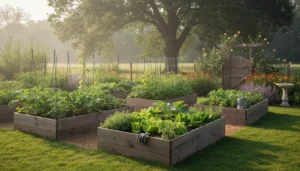
Decide bed size and orientation. Common sizes are 4×4, 4×8, or 3×6 feet. Narrow beds allow reaching the center without stepping on the soil.
Choose the best bed size and materials
Materials matter for durability and safety. Use untreated wood, cedar, or composite boards to avoid chemical leaching. Concrete blocks, bricks, or metal can also work for long-lasting beds.
- Useful sizes: 4×4, 4×8, 3×6 feet
- Depth: 12–18 inches for most vegetables
- Material options: cedar, untreated pine, composite, blocks
Soil mix for raised bed vegetable garden
A good soil mix gives plants air, water, and nutrients. Aim for a light, loamy mix that retains moisture but drains well.
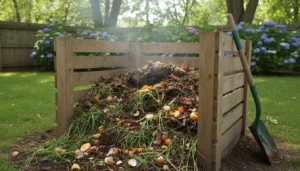
Try this simple raised bed soil recipe: 40% topsoil, 40% compost, 20% coarse sand or perlite. Adjust based on local topsoil quality.
Soil amendments and testing
Test soil pH and nutrient levels if possible. Most vegetables prefer pH 6.0–7.0. Add lime to raise pH or sulfur to lower it when needed.
- Add compost annually for nutrients
- Use slow-release organic fertilizer in spring
- Mulch to retain moisture and suppress weeds
Plant choices and layout for raised bed vegetable garden
Select crops suited to your climate and season. Warm-season crops include tomatoes, peppers, and squash. Cool-season crops include lettuce, spinach, and radishes.
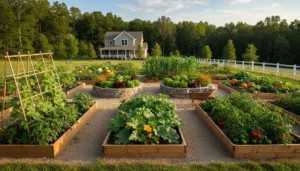
Plan spacing to avoid overcrowding. Use vertical supports for vining plants to save space.
Sample planting plan
- Row 1: Early lettuce and radishes (spring).
- Row 2: Bush beans or peas with trellis (summer).
- Row 3: Tomatoes on supports (staked or caged).
- Succession plant: sow quick crops like arugula after early harvests.
Watering and irrigation for raised bed vegetable garden
Raised beds dry faster than in-ground gardens, so consistent watering is crucial. Water deeply and less frequently to encourage strong roots.
Consider drip irrigation or soaker hoses to deliver water to the root zone accurately. Install a timer for regular schedules if you travel.
Watering tips
- Water in the morning to reduce disease risk.
- Check soil moisture 2–3 inches below the surface.
- Mulch with straw or shredded leaves to reduce evaporation.
Pest and disease management in a raised bed vegetable garden
Preventive measures reduce the need for interventions. Use crop rotation, healthy soil, and proper spacing to lower pest pressure.
Hand-pick larger pests, use row covers for leaf-eating insects, and apply organic controls like neem or insecticidal soap when necessary.
Common problems and quick fixes
- Aphids: blast with water or use insecticidal soap.
- Slugs: use traps or iron phosphate baits safe for gardens.
- Fungal disease: improve air circulation and avoid overhead watering.
Maintenance schedule for a raised bed vegetable garden
Maintenance keeps beds productive year after year. Schedule tasks by season to simplify work.
- Spring: rebuild soil, plant early crops, mulch.
- Summer: regular watering, harvest frequently, scout for pests.
- Fall: remove spent plants, add compost, plant cover crops if desired.
Small case study: Urban raised bed vegetable garden
Anna converted a 10-by-12-foot section of her city backyard into three 4×8 raised beds. She used cedar boards and filled them with a 40/40/20 soil mix.
In her first full season she harvested about 110 pounds of mixed vegetables: tomatoes, beans, lettuce, and herbs. The beds produced continuous harvests from May through October with twice-weekly hand watering and regular compost additions.
Key takeaways from Anna’s garden: start small, focus on soil, and use succession planting to maintain steady yields.
Quick checklist to start your raised bed vegetable garden
- Choose location with 6+ hours sun
- Decide bed size and material
- Mix or buy quality soil and compost
- Plan a crop layout and schedule
- Install watering system and mulch
- Monitor pests and rotate crops yearly
Following these steps will get a productive raised bed vegetable garden producing food in a single season. Start with one or two beds, learn from results, and expand as your confidence grows.