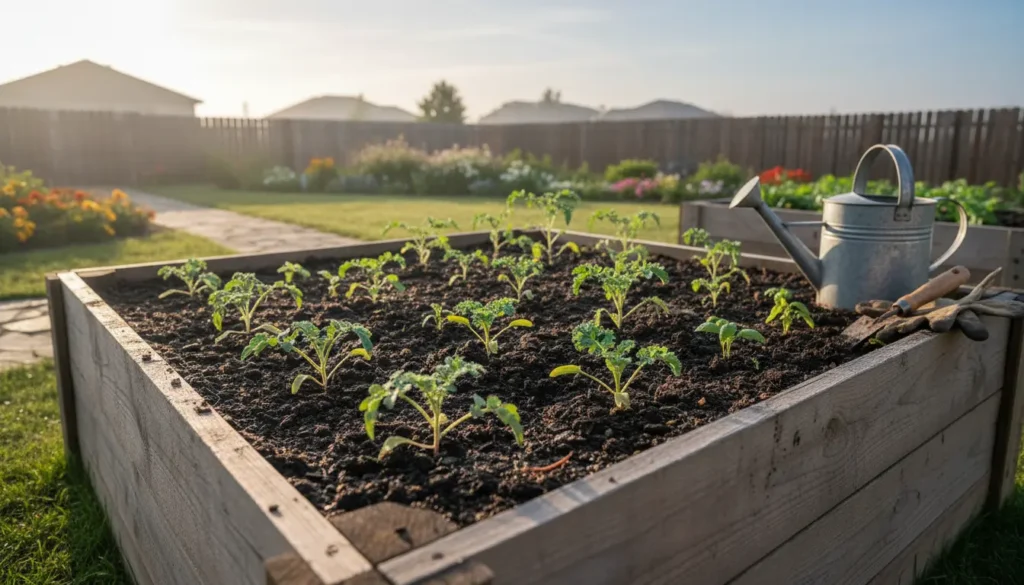
Why Start a Vegetable Garden
Starting a vegetable garden gives you fresh produce, saves money, and connects you with the seasons. It also improves outdoor space and provides a satisfying hobby for beginners.
This guide explains how to start a vegetable garden step by step, with practical tips for planning, soil, planting, and ongoing care.
Planning to Start a Vegetable Garden
Choose your site for a vegetable garden
Select a spot with at least 6 hours of direct sun each day. Most vegetables need full sun to produce well.
Avoid low areas that collect water and try to place the garden near a water source. Ease of access will make daily care simpler.
Decide garden type and size
Pick a garden style that fits your space and time: in-ground bed, raised bed, or containers. Each has pros and cons.
- Raised beds: good drainage and control of soil quality.
- In-ground: more space for root crops but needs soil improvement.
- Containers: ideal for patios and small spaces.
Choose Vegetables to Plant
Start simple and local
Pick vegetables suited to your climate and season. Begin with easy crops like lettuce, radish, tomatoes, beans, and herbs.
Check local planting calendars or ask a local nursery which varieties perform well in your area.
Preparing Soil and Beds for a Vegetable Garden
Test and improve soil
Conduct a basic soil test to check pH and nutrient levels. Many extension services offer inexpensive tests.
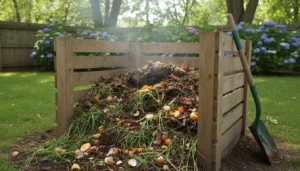
Amend soil with compost to improve structure and fertility. Aim for loose, well-drained soil for most vegetable crops.
Lay out beds and pathways
Design beds so each is narrow enough to reach across from the edge. Keep paths clear to avoid compacting soil.
Use mulch to suppress weeds and retain moisture. Organic mulch breaks down and adds nutrients over time.
Planting and Care for Your Vegetable Garden
Timing and sowing methods
Follow seed packet or plant tag instructions for planting depth and spacing. Start seeds indoors for long-season crops like tomatoes if needed.
Use succession planting for continuous harvests: plant new rows every few weeks for crops like lettuce and radishes.
Watering and fertilizing
Water deeply and less often to encourage roots to grow downward. Aim for consistent moisture, especially during fruiting stages.
Apply a balanced organic fertilizer or side-dress with compost during the season to maintain fertility.
Pest and Disease Basics for Vegetable Garden Care
Preventive steps
Rotate crops each year to reduce disease build-up. Keep beds clean of dead plant debris and weeds.
Encourage beneficial insects with flowering plants. Use row covers early in the season to protect seedlings from pests.
When problems appear
Identify pests before choosing controls. Hand-pick large pests, use insecticidal soap for soft-bodied insects, and remove infected plants promptly.
Start with the least toxic control and escalate only if necessary.
Harvesting and Ongoing Management
Harvest regularly to encourage more production. Many vegetables taste best when picked young and fresh.
Keep records of successes and failures. Note planting dates, varieties, and yield to improve next season.
Companion planting, like growing basil near tomatoes, can improve flavor and reduce some pests. Simple pairings help create a healthier garden ecosystem.
Simple Tools and Supplies for a Beginner Vegetable Garden
- Hand trowel and spade for digging and planting.
- Garden fork or broadfork for loosening soil in beds.
- Watering can or hose with a gentle nozzle for even watering.
- Compost and organic mulch to feed and protect soil.
Small Real-World Case Study
Case: A small urban backyard in Portland started two 4×8 raised beds in spring. The gardener chose cherry tomatoes, Swiss chard, bush beans, and basil.
Soil was amended with 2 inches of compost and beds were mulched. With weekly watering and monthly compost side-dressing, the beds produced continuous salad greens and a good tomato crop through summer.
Lesson: Modest space, regular care, and appropriate crop choices yielded fresh vegetables and reduced grocery trips.
Common Mistakes When You Start a Vegetable Garden
- Overcrowding plants and not following spacing guidelines.
- Inconsistent watering leading to stress and poor yields.
- Neglecting soil fertility and skipping compost additions.
Final Checklist to Start a Vegetable Garden
- Choose a sunny site and decide on bed style.
- Test and amend soil, add compost.
- Select easy, climate-appropriate crops.
- Water deeply, mulch, and monitor pests.
- Harvest regularly and keep simple records.
Starting a vegetable garden is a practical project that pays off with fresh produce and learning. Begin small, be consistent, and adjust each season based on what you observe.