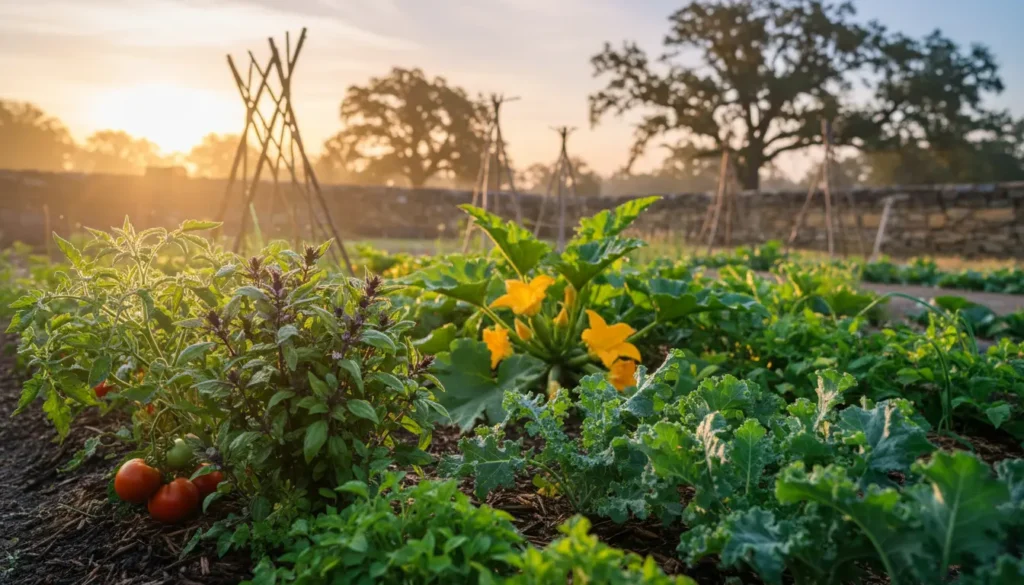
Starting a vegetable garden can be a rewarding way to grow fresh food, save money, and connect with nature. This guide explains how to start a vegetable garden with clear steps you can follow this season.
How to Start a Vegetable Garden: Plan Your Garden
Planning first saves time and reduces mistakes. Begin by deciding what you want to grow and how much space you have.

Consider these questions before you dig:
- How many people will the garden feed?
- What vegetables do you and your family actually eat?
- Do you want raised beds, containers, or in-ground rows?
Start Small
If this is your first garden, limit yourself to one or two beds or a few containers. Small gardens are easier to manage and more likely to succeed.
Choose the Right Location
Vegetables need light, water access, and good drainage. Choose a site that gets at least 6 to 8 hours of direct sunlight a day.

Watch how sunlight moves across the area for a day. Avoid low spots that hold water and places under large tree canopies where roots will compete for moisture and nutrients.
Access and Convenience
Place the garden near your kitchen or a path you use daily. Gardens you walk past often are more likely to be cared for.
Prepare Soil and Beds
Soil quality is the single biggest factor for a productive garden. Test and improve your soil before planting.

Take a small soil sample and use a basic home test kit or send it to a local extension service. Aim for a loamy texture and pH between 6.0 and 7.0 for most vegetables.
Improve Soil With Compost
Add 2 to 4 inches of compost to the planting area and work it into the top 6 to 8 inches of soil. Compost improves structure, drainage, and nutrient content.
For raised beds, fill with a mix of topsoil, compost, and a light amount of well-aged manure if available.
Choose Plants and Planting Times
Match plants to your climate and growing season. Use seed packets and plant tags to determine days to maturity and frost sensitivity.
Divide crops into cool-season and warm-season groups. Plant cool-season crops like lettuce and peas in early spring. Save tomatoes and peppers for after the last frost.
Companion Planting Basics
- Plant basil near tomatoes to improve flavor and deter pests.
- Use marigolds to reduce nematodes and some insect pests.
- Avoid planting heavy-feeding crops like corn next to light feeders like carrots.
Watering and Maintenance
Consistent watering encourages steady growth and reduces stress. Most vegetables need about 1 inch of water per week, more in hot weather.
Use drip irrigation or soaker hoses to deliver water at soil level and reduce leaf wetness, which can cause disease.
Weeding and Mulching
Keep weeds under control with regular hand weeding and a 2 to 3 inch layer of organic mulch. Mulch conserves moisture and suppresses weed growth.
Pest and Disease Management
Monitor plants weekly to catch problems early. Look under leaves and at new growth for pests and signs of disease.
Use integrated pest management (IPM) practices: handpick pests, use barriers like row covers, and introduce beneficial insects when needed.
Harvesting and Storage
Harvest vegetables at peak ripeness for the best flavor and nutrition. Frequent harvesting often encourages more production in crops like beans and cucumbers.
Use proper storage techniques: cool, dry storage for root vegetables and refrigeration for leafy greens.
Simple Example: A First-Year Layout
Here’s a practical layout for a 4×8 raised bed for beginners:
- Row 1: Lettuce and spinach (cool-season, quick harvest)
- Row 2: Carrots and radishes interplanted
- Row 3: Bush beans to add nitrogen and produce later
- Row 4: Two tomato plants with basil at the base
This mix provides early harvests while supporting later heavy feeders.
Real-World Case Study
Maria, a first-time gardener in a small suburban yard, started with two 4×8 raised beds. She tested soil, added compost, and planted lettuce, radishes, bush beans, and one tomato plant.
By keeping the beds small and using drip irrigation, she watered consistently and harvested fresh salad greens within six weeks. Her success encouraged her to add a herb container the next season and expand one bed to include peppers.
Planting a mix of quick and long-season crops in the same bed lets you harvest sooner while waiting for slower vegetables to mature.
Quick Checklist: How to Start a Vegetable Garden
- Choose a sunny, level site with good drainage.
- Start small: one or two beds or several containers.
- Test and improve soil with compost.
- Select crops suited to your climate and season.
- Water consistently and mulch to conserve moisture.
- Inspect plants weekly for pests and diseases.
- Harvest regularly and learn proper storage methods.
Starting a vegetable garden is a learning process. Expect a few mistakes the first season, and use them to improve next year. With basic planning and routine care, even a small garden can yield fresh, healthy produce.



