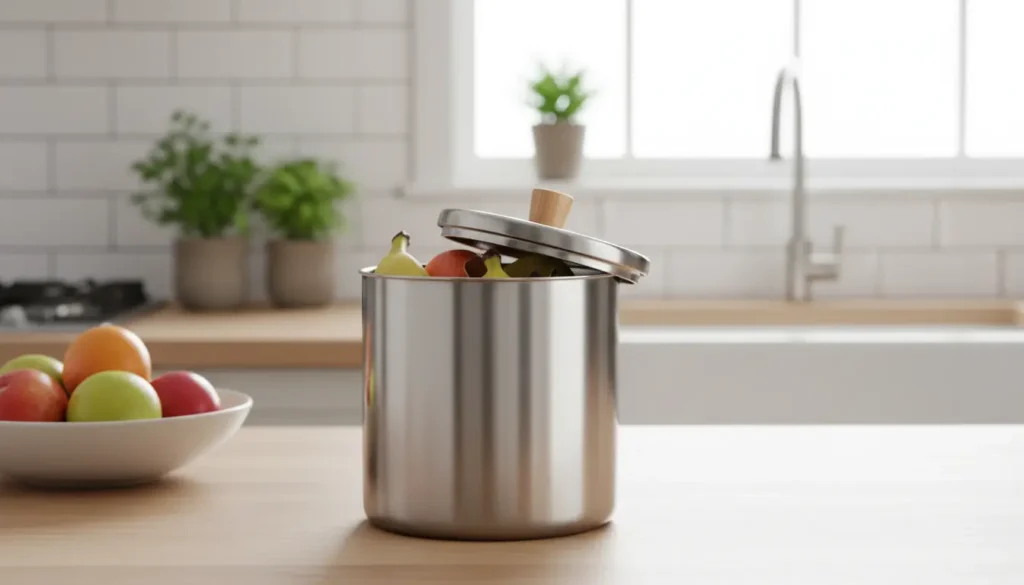
Why Home Composting Matters
Home composting reduces food waste and creates a natural soil amendment. It saves money on fertilizer and improves soil structure for healthier plants.
For beginners, composting might seem technical, but it is a simple biological process you can manage with basic tools and a little attention.
Getting Started with Home Composting

Choose a composting method that fits your space and lifestyle. Options include a simple bin, a tumbler, or a worm composting setup for small spaces.
Place your compost container in a convenient spot with some sun and shade. That spot should be accessible so you add materials and turn the pile regularly.
Essential Materials for Composting
Compost needs a balance of brown and green materials. Browns provide carbon and greens provide nitrogen.
- Green materials: fruit and vegetable scraps, coffee grounds, fresh grass clippings.
- Brown materials: dry leaves, shredded paper, cardboard, straw.
- Avoid meat, dairy, oily foods, and pet waste to prevent odors and pests.
How to Build a Compost Pile

Start with a layer of coarse browns like straw or small branches to help airflow. Add alternating layers of greens and browns about 2–4 inches thick.
Maintain moisture like a wrung-out sponge. If the pile is too wet, add more brown materials. If too dry, sprinkle water and turn the pile.
Active Composting Tips for Beginners
Turning the pile introduces oxygen, which speeds up decomposition. Aim to turn a simple bin every 1–2 weeks.

Smaller particle size speeds composting. Shred or chop large items before adding them to the pile.
Temperature and Time
A hot compost pile (120–160°F / 50–70°C) breaks down material quickly and kills weed seeds. Home piles often run cooler and take longer.
Expect finished compost in 2–12 months depending on method, materials, and how often you turn the pile.
Troubleshooting Common Compost Problems
Bad odors usually mean too many greens or poor aeration. Add more browns and turn the pile to introduce air.
Slow decomposition can be caused by compacted material or low moisture. Chop materials smaller and keep the pile slightly moist.
- Problem: Fruit flies. Solution: Cover fresh kitchen scraps with a layer of dry leaves or bury them in the pile.
- Problem: Pests. Solution: Avoid meat and dairy and use a closed bin or secure tumbler.
- Problem: Too dry. Solution: Add water while turning and include more greens.
Composting Methods for Small Homes
Worm composting (vermicomposting) is ideal for apartments. Red worms process kitchen scraps quickly without strong odors.
Tumblers are user-friendly and make turning easy. A simple open bin is low-cost and works well for yards and gardens.
Vermicomposting Basics
Provide bedding like shredded paper or coconut coir and maintain moderate moisture. Feed worms fruit and vegetable scraps in small amounts.
Harvest worm castings every 3–6 months and use them as a potent organic soil amendment for potted plants and garden beds.
Using Finished Compost
Finished compost is dark, crumbly, and smells earthy. Use it as a soil topper, mix it into potting soil, or work it into garden beds.
Apply compost at a rate of 1–2 inches on beds or mix 10–20% compost into potting mixes for container plants.
Case Study: Small Apartment Composting Success
Sarah is a city dweller who started vermicomposting in a 10-liter bin under her sink. She fed her worms about one to two cups of kitchen scraps weekly.
Within four months, Sarah harvested nutrient-rich worm castings and reduced her kitchen waste by half. Her houseplants showed improved leaf color and growth within two watering cycles.
Key takeaways from Sarah’s experience:
- Start small and be consistent with feeding.
- Monitor moisture and avoid overfeeding.
- Use finished compost gradually to see plant response.
Simple Checklist for Composting Beginners
- Choose a method: bin, tumbler, or worm box.
- Collect a mix of greens and browns.
- Keep the pile moist and aerated.
- Turn regularly to speed decomposition.
- Use finished compost to enrich soil.
Final Tips for Home Composting
Start with what you can manage and scale up as you learn. Small, steady efforts yield valuable compost and reduce waste.
Keep notes on what works and what does not. Over time you will build a routine that fits your home and gardening needs.



