Why Choose a Container Vegetable Garden
A container vegetable garden is ideal for small spaces, balconies, and renters. It lets you control soil, drainage, and plant placement for better yields.
Containers reduce pest problems and let you grow where traditional beds are not possible. They are also easier to manage for beginners and busy gardeners.
How to Start a Container Vegetable Garden: Step-by-Step
1. Pick the Right Location
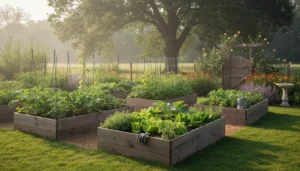
Most vegetables need 6 to 8 hours of sunlight per day. Observe your balcony or patio to find the sunniest spots.
Consider wind exposure and proximity to water. Moveable containers let you shift plants as light changes through the season.
2. Choose Suitable Containers
Select containers with drainage holes to avoid waterlogging. Sizes vary by crop: small herbs need 1–3 gallon pots, while tomatoes and peppers need 5–20 gallon containers.
- Plastic or resin pots are lightweight and retain moisture.
- Terracotta breathes but dries faster—good for heat-tolerant plants.
- Fabric grow bags provide excellent root aeration.
3. Use the Right Soil Mix
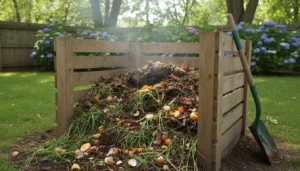
Use a high-quality potting mix designed for containers. Avoid garden soil, which compacts and holds too much moisture in pots.
Additions like compost, worm castings, and slow-release fertilizer improve fertility and moisture retention. Aim for a light, well-draining mix.
4. Select Easy Vegetables for Containers
Start with varieties known to do well in pots. Good choices include:
- Lettuce and salad greens
- Cherry tomatoes and determinate tomato varieties
- Peppers and chilies
- Green beans and bush beans
- Spinach, kale, and Swiss chard
5. Planting and Space Planning
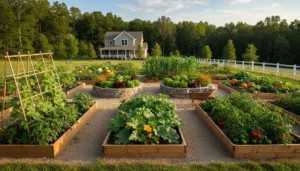
Follow spacing recommendations on seed packets or plant tags. Overcrowding reduces airflow and increases disease risk.
Use vertical supports for vining types and stagger planting times to extend harvest windows. Companion planting can improve yields in limited space.
6. Watering and Drainage
Containers dry out faster than beds. Check soil moisture daily in hot weather and water when the top inch feels dry.
Water deeply so the root zone is saturated, and let excess drain away. Consider self-watering containers or drip irrigation for consistent moisture.
7. Feeding and Maintenance
Container vegetables need regular feeding because nutrients leach with frequent watering. Use a balanced liquid fertilizer every 2–4 weeks or a slow-release granule at planting.
Prune leggy growth, remove yellowing leaves, and watch for pests. Early intervention prevents problems from spreading.
Common Problems and Solutions for Container Vegetable Gardens
Poor drainage causes root rot—ensure pots have holes and do not sit in standing water. Wilting usually signals underwatering or heat stress.
Pests like aphids and whiteflies are common; treat early with insecticidal soap or strong water sprays. Rotate crops in containers by replacing the potting mix each season to reduce soil-borne pests.
Small Case Study: Balcony Tomato Success
Example: A renter on a city balcony grew two determinate tomato plants in 10-gallon containers. She used a quality potting mix, stakes, and rotated weekly liquid feeding.
Result: By mid-summer she harvested about 20 pounds of cherry tomatoes. Key factors were consistent watering, full sun placement, and pruning suckers to concentrate energy on fruit.
Quick Checklist Before You Start
- Confirm 6+ hours of daily sun
- Choose containers with adequate size and drainage
- Buy a high-quality potting mix and compost
- Select compact or container-friendly vegetable varieties
- Plan a watering schedule and feeding routine
Final Tips for Ongoing Success
Keep records of what varieties performed best and note watering and feeding amounts. This simple journal helps improve yields each season.
Gradually expand with more containers as you learn microclimate patterns on your balcony. Container gardening scales easily and rewards consistent care.
With the right containers, soil, and simple maintenance, a container vegetable garden can provide fresh produce even in the smallest urban spaces. Start small, observe, and adjust for steady improvements season to season.