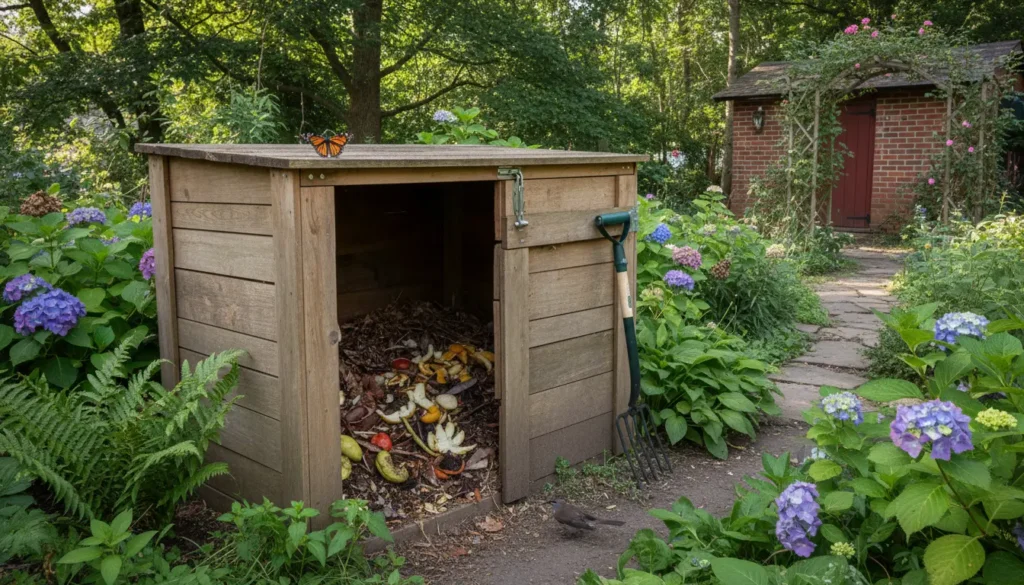
Home composting is a straightforward way to reduce waste and create nutrient-rich soil for plants. This guide gives practical, step-by-step advice so beginners can start composting with confidence.
Why Home Composting Matters
Home composting keeps organic waste out of landfills and returns nutrients to the soil. It supports healthier plants, lowers household waste costs, and reduces methane emissions from landfills.
Benefits of home composting
- Reduces kitchen and yard waste by up to 30–40%.
- Produces a free soil amendment for gardens, pots, and lawns.
- Improves soil structure, water retention, and plant health.
- Supports local biodiversity when used in garden beds.
Getting Started with Home Composting
Choose a method that fits your space and routine: a simple bin, a tumbler, or a worm composting system for small spaces. Each method has basic principles that are the same: balance, moisture, and aeration.
Choosing a compost bin
For beginners, a rodent-resistant bin or a covered tumbler is easiest. If you have limited space, consider a worm (vermicompost) bin placed indoors or on a balcony.
- Outdoor bin: Good for yards and larger volumes.
- Tumbler: Speeds up composting and reduces odor.
- Vermicompost: Ideal for apartments and fast, nutrient-rich compost.
Materials: What to Compost
Compost needs a mix of nitrogen-rich “greens” and carbon-rich “browns.” Balancing these materials helps microbes break down organic matter efficiently.
Common greens
- Vegetable and fruit scraps
- Fresh grass clippings
- Coffee grounds and tea leaves
Common browns
- Dry leaves and straw
- Shredded paper and cardboard
- Wood chips and sawdust (in moderation)
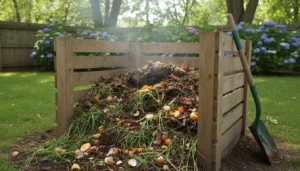
Aim for roughly a 2:1 or 3:1 ratio of browns to greens by volume to avoid smells and slow decomposition problems.
Step-by-Step Home Composting Process
Follow these basic steps to keep your compost active and healthy.
- Layer: Start with a layer of coarse browns like small branches or straw for airflow.
- Add greens and browns: Alternate thin layers of greens and browns rather than dumping all of one type at once.
- Moisten: Compost should feel like a wrung-out sponge. Add water if dry; add browns if too wet.
- Aerate: Turn or mix the pile weekly for faster decomposition; tumblers make this easier.
- Monitor: Watch for foul odors (too wet or too many greens) or slow breakdown (too dry or too many browns).
Troubleshooting common issues
- Smell: Add more browns and turn the pile to add oxygen.
- Fruit flies: Bury fruit scraps under browns or cover the bin.
- Slow breakdown: Chop materials into smaller pieces and ensure adequate moisture and aeration.
How Long Does Home Composting Take?
Time depends on method and materials. A well-managed hot compost pile can be ready in 2–3 months. Cold composting or a worm bin often takes 4–12 months.
To speed up the process, keep materials small, maintain moisture, and turn the pile regularly. Hot composting requires a larger pile and a balance of browns and greens to maintain heat.
Adding crushed eggshells supplies calcium to compost and reduces the chance of blossom end rot in tomatoes when the compost is used.
Harvesting and Using Finished Compost
Finished compost looks dark, crumbly, and earthy-smelling. Sift or screen it to remove large pieces, then use it as a top dressing, soil amendment, or potting mix ingredient.
- Seedlings: Mix 1 part compost with 3 parts potting soil.
- Garden beds: Spread 1–2 inches of compost over beds each season.
- Lawn: Top-dress thinly to improve soil health without smothering grass.
Real-World Example: Small Backyard Success
Case study: Anna, a homeowner with a small backyard, started a 3-bin compost system. She collected kitchen scraps and local yard waste, aiming for a 3:1 brown-to-green ratio.
Within four months of regular turning and moisture checks, Anna produced enough compost to amend two garden beds. Her harvest increased by 25% the following season, and her household waste to the curb dropped noticeably.
Tips for Long-Term Success with Home Composting
- Keep a small countertop container for scraps and empty it into the bin daily.
- Store shredded paper in a dry place to use as browns when needed.
- Label bins or sections to manage fresh and curing compost separately.
- Check moisture weekly and turn the pile to maintain oxygen levels.
Home composting is a low-cost, practical step toward a more sustainable household. With simple tools, consistent habits, and these guidelines, beginners can make nutrient-rich compost that benefits plants and the planet.