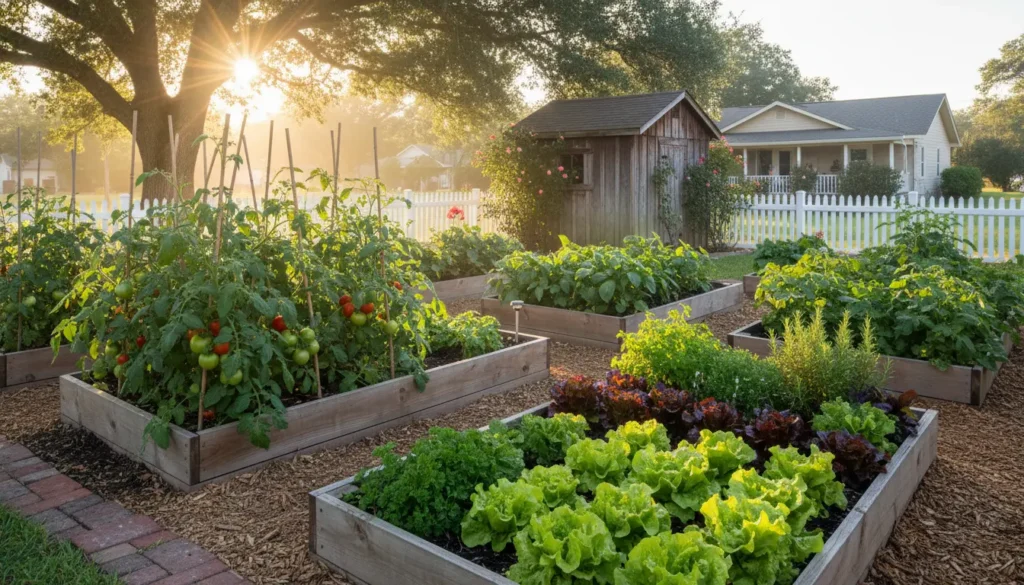
Starting a vegetable garden at home is easier than many people expect. With basic planning, the right soil, and a short list of tools you can grow reliable food in a small space.
How to Start a Vegetable Garden at Home: Plan First
Begin by deciding what you want to grow and how much time you can commit. Planning reduces mistakes and saves money on plants and supplies.
Decide Your Goals and Space
Are you growing for salads, family dinners, or preserving? Match crops to your goals and the available space. Even a balcony with containers can yield herbs and lettuce.
Choose a Location for Your Vegetable Garden
Location determines plant health. Pick a spot that gets good sunlight and is convenient for watering and harvesting.
Sunlight and Access
Most vegetables need 6–8 hours of direct sunlight daily. Observe potential sites for a few days to confirm sun patterns. Close proximity to a water source makes maintenance much easier.
Soil and Drainage
Good soil drains well but holds moisture. If your site is heavy clay or compacted, consider raised beds or large containers filled with amended soil.
Prepare Soil to Start a Vegetable Garden
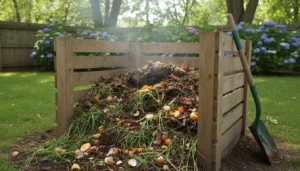
Soil quality has the biggest impact on yield. Focus on organic matter and structure for the first season.
- Test pH if possible; most vegetables prefer pH 6.0–7.0.
- Work in 2–4 inches of compost to improve fertility and texture.
- For raised beds, use a mix of topsoil, compost, and well-aged manure or a high-quality bagged mix.
Tools and Materials to Start a Vegetable Garden
You do not need expensive equipment. A few reliable tools will cover most tasks.
- Spade or shovel for digging and mixing soil.
- Garden fork or hand trowel for planting and loosening soil.
- Hoe for weeding and cultivating the surface.
- Watering can or hose with a gentle nozzle.
What to Plant First in a Vegetable Garden at Home
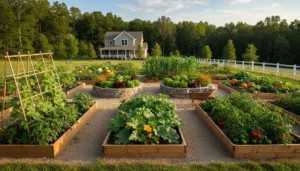
Choose easy, fast-growing vegetables that tolerate beginner mistakes. That builds confidence and provides quick rewards.
- Leafy greens: lettuce, spinach, Swiss chard.
- Root crops: radishes, carrots (in deep, loose soil).
- Warm-season starters: bush beans, cherry tomatoes, peppers (after last frost).
- Herbs: basil, parsley, chives — low maintenance and useful.
Succession Planting
Stagger planting times to keep harvests steady. For example, sow lettuce every two weeks to avoid one large glut.
Watering, Feeding, and Maintenance
Consistent care is more important than daily work. Learn a few simple routines and follow them.
- Water early morning to reduce disease risk and evaporation.
- Apply 1–1.5 inches of water per week, more in hot weather.
- Mulch with straw or leaves to retain moisture and suppress weeds.
- Use a balanced organic fertilizer or compost tea every 4–6 weeks for heavy feeders like tomatoes.
Pest and Disease Basics
Inspect plants weekly. Remove damaged leaves and use row covers for young crops. Encourage beneficial insects with flowering herbs and plants.
Harvesting and Storing
Pick crops at their peak for best flavor and to encourage further production. Many vegetables improve with regular harvesting.
- Harvest lettuce and greens before they bolt for best taste.
- Pick tomatoes when fully colored and slightly soft to the touch.
- Store root crops in a cool, dark place and herbs in the fridge or dried for long-term use.
Many common vegetables like lettuce and radishes can be grown in containers and harvested within 30 days. Container gardening is an easy way to get started without changing your yard.
Small Real-World Case Study
Maria converted a 10×4 ft unused corner into two 4×4 raised beds. Using compost-amended soil and a simple drip hose, she planted lettuce, radishes, bush beans, and two tomato plants.
In the first season she harvested fresh salad greens weekly and about 20 lbs of tomatoes between July and September. Her time investment averaged 20 minutes twice a week for watering, light weeding, and harvesting.
Simple Example Planting Plan for a Beginner
Here is a one-bed plan for a 4×4 raised bed to start a vegetable garden at home:
- Row 1: Lettuce (succession plant every 2–3 weeks).
- Row 2: Radishes (harvest in 30 days).
- Row 3: Bush beans (plant after frost-free date).
- Corner: 1 tomato cage with a determinate tomato plant and basil nearby.
Final Tips to Keep Your First Vegetable Garden Successful
Start small and expand after your first season. Track what works and what fails — gardening improves quickly with simple experience.
- Keep a notebook of planting dates and varieties.
- Join a local gardening group or online forum for seasonal tips.
- Be patient: soil improvement and yields increase each year with compost and good practices.
With a modest upfront effort you can start a vegetable garden at home that produces food, saves money, and gives satisfaction. Begin with easy crops, maintain simple routines, and learn from each season.