Start Composting at Home: A Simple Guide
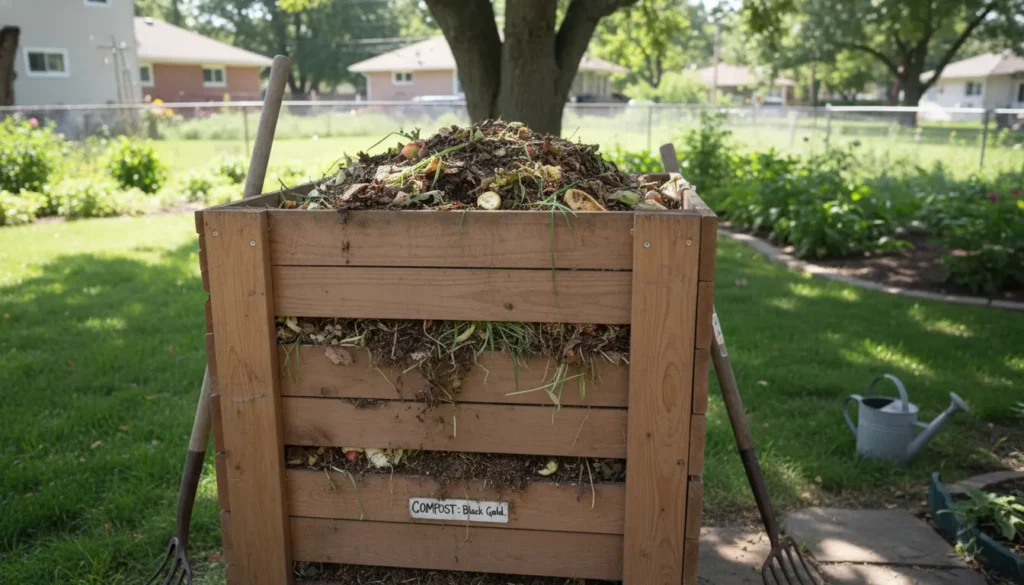
Composting at home turns kitchen and yard waste into valuable soil material. A home compost bin reduces landfill waste and improves garden soil with minimal effort.
Why a Home Compost Bin Helps
A home compost bin lowers garbage volume and cuts methane from landfills. It also provides free, nutrient-rich compost to boost plant growth.
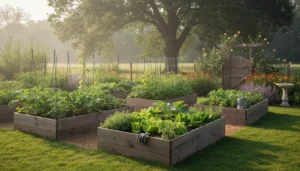
Home composting can save money on store-bought soil amendments and reduce the need for chemical fertilizers.
How to Start a Home Compost Bin
Follow these clear steps to start a compost bin that works for your home. Use basic materials and a simple routine to speed up decomposition.
1. Choose a Bin and Location
Select a bin size that fits your household waste. Common options are plastic tumblers, wooden bins, or simple wire enclosures.
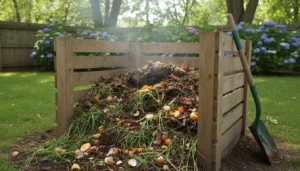
Place the bin on soil in a shady, accessible spot. Good drainage and air flow are important for steady composting.
2. Gather the Right Materials
Compost works best when you balance green (nitrogen) and brown (carbon) materials. Aim for roughly a 2:1 or 3:1 ratio of brown to green by volume.
- Greens: vegetable scraps, coffee grounds, fresh grass clippings.
- Browns: dry leaves, shredded paper, straw, cardboard.
- Optional: small amounts of garden soil or finished compost to introduce microbes.
3. Build the Pile
Start with a layer of coarse browns to improve airflow. Alternate layers of greens and browns, keeping pieces small for faster breakdown.
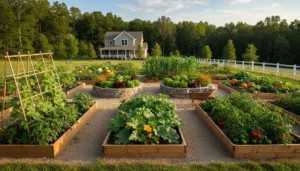
Maintain moisture like a wrung-out sponge. Add water in dry spells and cover the bin in heavy rain.
Maintenance and Troubleshooting for Your Home Compost Bin
Regular maintenance keeps the composting process active and odor-free. Small adjustments prevent common problems.
Turning and Aeration
Turn the pile every 1–2 weeks to add oxygen and speed decomposition. For tumblers, rotate per manufacturer instructions.
If you cannot turn the pile, add coarse materials and ensure the bin has ventilation holes.
Smells, Pests, and Moisture
A sour or rotten smell means too much green or poor aeration. Add brown materials and turn the pile.
Pests are attracted to uncovered food scraps. Bury food deeper in the pile, use an enclosed bin, or avoid meat and dairy.
How Long Until Compost Is Ready?
Compost times vary by method and conditions. Hot, well-managed piles produce compost in 2–3 months. Slower, cold piles take 6–12 months.
Finished compost is dark, crumbly, and earthy-smelling. Screen it to remove large pieces before use.
Uses for Finished Compost
Apply finished compost to vegetable beds, flower borders, and potted plants to improve soil structure and nutrient content.
- Top dress lawns with a thin layer to add organic matter.
- Mix with potting soil for container plants.
- Use as mulch around trees and shrubs to retain moisture.
Adding small branches or straw increases airflow and speeds up decomposition. Worms and microbes do most of the work if you keep conditions balanced.
Small Case Study: Suburban Apartment Garden
Maria, a city apartment renter, created a 60-liter compost bin on her balcony. She used shredded newspaper and kitchen scraps, turning the bin weekly.
After eight months, Maria produced about 40 liters of compost. She mixed it into balcony planters and reported fuller, healthier tomato plants the next season.
Quick Tips for Successful Home Composting
- Chop materials into small pieces to speed decomposition.
- Keep a mix of browns and greens; if odors occur, add more browns.
- Avoid meat, dairy, and oily foods to reduce pests.
- Monitor moisture and aerate regularly.
- Use finished compost within one year for best nutrient value.
Common Questions
Can I compost in winter? Yes; decomposition slows but continues. Insulate the bin or add more material to retain heat.
Is compost safe for edible gardens? Yes, once fully finished. Avoid raw manure unless properly aged.
Start Your Home Compost Bin Today
Starting a home compost bin is a practical step toward waste reduction and healthier soil. With simple tools and routine care, anyone can turn kitchen scraps into garden gold.
Pick a bin, balance materials, and check the pile weekly. Small, consistent actions produce reliable compost over time.