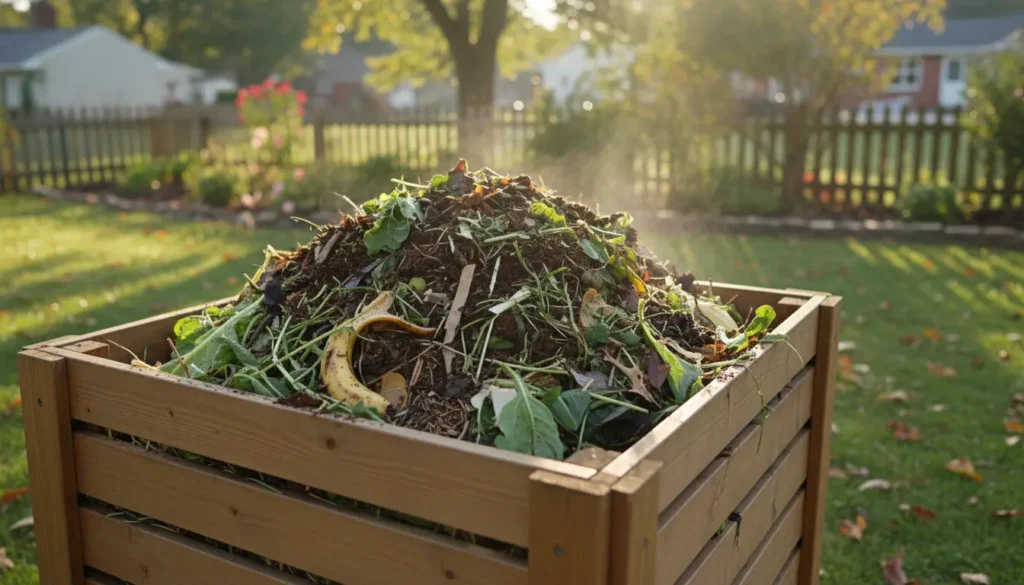
Home Composting: Getting Started
Composting at home turns kitchen and yard waste into nutrient-rich material for gardens. This guide gives practical, step-by-step instructions so you can start composting today.
Why Choose Home Composting
Composting reduces waste sent to landfills and improves soil structure for plants. It also saves money on fertilizers and helps retain moisture in garden beds.
Choose a Composting Method
Pick a method that fits your living situation and time commitment. Each method has simple rules to follow.
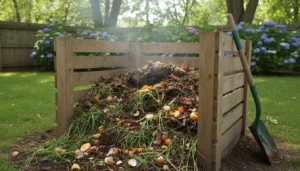
Cold Bin Composting
Best for beginners and low-maintenance yards. Add materials and let nature do most of the work over many months.
Hot Composting
Requires more attention but produces compost in weeks to a few months. It needs a good carbon to nitrogen balance and regular turning.
Vermicomposting
Uses worms to break down food scraps indoors or in small outdoor bins. Ideal for apartments or people who want fast results with little space.
What to Compost at Home
Use a mix of green (nitrogen) and brown (carbon) materials for balanced decomposition. Aim for roughly a 1:2 ratio by volume of greens to browns.
- Green materials: vegetable peels, fruit scraps, coffee grounds, fresh grass clippings.
- Brown materials: dry leaves, shredded paper, cardboard, straw, wood chips.
- Do not compost: meat, dairy, oils, diseased plants, pet waste.
Step-by-Step: Set Up a Home Compost Bin
Follow these steps to create a functional compost system in your yard or balcony.
- Choose a location with partial shade and good drainage.
- Select a bin type: tumbler, stationary bin, or simple pile.
- Start with a 4–6 inch layer of coarse brown material for aeration.
- Add alternating layers of green and brown materials, keeping the pile moist like a wrung-out sponge.
- Turn the pile every 1–2 weeks for hot composting; for cold composting turn less often or not at all.
Maintenance and Troubleshooting for Home Composting
Regular checks keep your compost healthy. Watch for odor, pests, and slow decomposition and use simple adjustments to fix issues.
Smells or Anaerobic Conditions
If the pile smells sour or rotten, it lacks oxygen. Turn the compost and add dry brown materials to restore balance.
Pests and Rodents
Avoid adding meat or oily foods. Use a closed bin or add a layer of coarse material on top to deter animals.
Slow Decomposition
If breakdown is slow, add more greens, increase surface area by shredding materials, and maintain moisture and aeration.
When Is Compost Ready to Use?
Finished compost is dark, crumbly, and smells earthy. Particle size will be small and original materials should not be recognizable.
- Hot composting: ready in 2–3 months with active management.
- Cold composting: ready in 6–12 months depending on conditions.
- Vermicompost: ready in 2–4 months in active worm bins.
How to Use Compost in the Garden
Use finished compost as a soil amendment, top dressing, or in potting mixes. Mix 1–2 inches into garden beds or add a thin layer around existing plants.
Cost and Materials Needed
Starting composting is low-cost. Basic items you may need include a bin, a pitchfork or turning tool, and a garden shredder for large yard waste.
- Budget option: open pile or used pallet bin.
- Mid-range: plastic or wooden compost bin with a lid.
- Higher-end: compost tumbler for faster, cleaner results.
Food scraps and yard waste make up over 20% of household trash in many cities. Composting at home can significantly reduce your waste and return nutrients to the soil.
Small Real-World Example
Case Study: Sarah, a small city gardener, started a 60-liter tumbler on her balcony. She collected fruit and vegetable scraps and mixed them with shredded leaves from her park walks.
After three months of turning the tumbler twice weekly, she produced 30 liters of rich compost. She used it to top-dress potted tomatoes and saw stronger growth and fewer watering needs the following season.
Quick Tips for Successful Home Composting
- Keep materials chopped or shredded for faster breakdown.
- Maintain moisture but avoid waterlogged conditions.
- Balance greens and browns to encourage efficient composting.
- Monitor temperature if you want to speed up the process; 131–160°F (55–70°C) is ideal for hot composting.
Conclusion
Home composting is a simple, sustainable practice that benefits your garden and the environment. Start small, learn the balance of materials, and adjust based on results.
With consistent care, you can turn everyday waste into a valuable resource for healthier soil and plants.