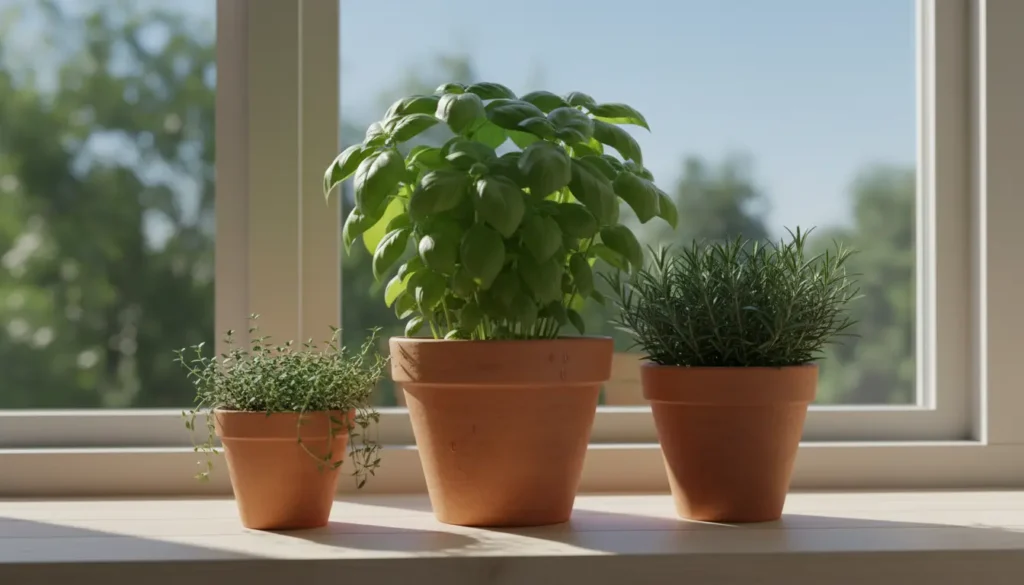
How to Start an Herb Garden: A Practical Overview
Starting an herb garden is a low-cost, rewarding way to grow fresh flavors year-round. This guide explains essential choices and step-by-step actions so you can start an herb garden with confidence.
Benefits of an Herb Garden
Herbs need little space and provide fresh ingredients for cooking and home remedies. They also attract pollinators and can brighten a windowsill or balcony.
What You Need to Start an Herb Garden
Gather basic supplies before you begin. Having the right tools and materials simplifies setup and reduces mistakes.
- Pots or containers with drainage holes
- Quality potting mix (light, well-draining)
- Seeds or starter plants
- Watering can or gentle spray bottle
- Fertilizer (balanced, slow-release or liquid)
Step 1: Choose a Location to Start an Herb Garden
Most culinary herbs need 6–8 hours of sunlight daily. A south- or west-facing windowsill, balcony, or patio often works well.
If light is limited, select partial-sun herbs like parsley, chives, and mint. For low-light indoor spots, consider a small LED grow light to supplement natural light.
Indoor vs Outdoor When You Start an Herb Garden
Indoor gardens offer year-round access but require careful light and humidity management. Outdoor gardens can be larger and more resilient but are subject to weather and pests.
Step 2: Choose the Best Herbs for Beginners
Start with easy, forgiving herbs that thrive in containers and tolerate a range of conditions.
- Basil – great for kitchens, loves sun and warmth
- Parsley – tolerant of partial sun and frequent harvesting
- Thyme – drought-tolerant and compact
- Rosemary – prefers bright light and well-drained soil
- Chives – hardy and useful for garnishes
- Mint – vigorous grower best contained in pots
Step 3: Planting and Soil Tips
Use a quality potting mix formulated for containers. Avoid garden soil, which compacts and drains poorly in pots.
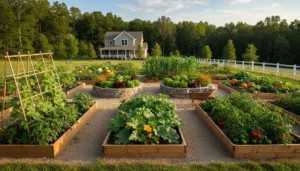
Fill pots leaving 1–2 inches at the top for watering. Plant seedlings at the same depth they sat in their nursery container. For seeds, follow packet spacing and depth instructions.
Soil Amendments and Drainage
Add perlite or coarse sand to heavy mixes to improve drainage. Ensure containers have drainage holes and place saucers beneath to catch excess water.
Step 4: Watering and Fertilizing When You Start an Herb Garden
Water consistently but do not overwater. Check soil moisture by feeling the top inch; water when it feels dry. Herbs in small pots dry out faster than those in larger containers.
Feed herbs lightly with a balanced liquid fertilizer every 4–6 weeks during the growing season. Avoid high-nitrogen feeds that promote leaf growth over flavor.
Step 5: Pruning, Harvesting, and Maintenance
Regular harvesting encourages bushier growth. Pinch or snip stems above a leaf node to promote branching. Remove flower buds on basil and thyme to keep plants producing leaves.
Watch for pests like aphids or spider mites. A strong spray of water or an insecticidal soap will often resolve minor infestations.
Container Rotation and Soil Refresh
Every season, refresh the top 2–3 inches of potting mix or repot into a slightly larger container. This replenishes nutrients and improves root health.
Common Mistakes to Avoid When You Start an Herb Garden
- Overwatering or poor drainage — causes root rot
- Using garden soil in pots — leads to compaction
- Growing aggressive herbs like mint in open beds — they will take over
- Neglecting light requirements — weak, leggy plants result
Small Case Study: A Windowsill Herb Garden
Jane, a busy city worker, started an herb garden on a 3-foot windowsill. She used five 4-inch terracotta pots with a well-draining potting mix and planted basil, parsley, chives, thyme, and mint in separate containers.
She watered every 3–4 days, rotated pots weekly for even light, and harvested twice a week. Within six weeks she had enough fresh herbs for weekly meals and reported reduced food waste and a small decrease in grocery purchases.
Many herbs, including rosemary and thyme, can remain productive for several years in pots if pruned and repotted periodically. Some herbs benefit from overwintering indoors in colder climates.
Quick Checklist to Start an Herb Garden
- Choose a sunny location or add grow light
- Select 3–6 beginner-friendly herbs
- Use quality potting mix and containers with drainage
- Water when the top inch is dry; feed lightly
- Harvest regularly and prune to encourage growth
Final Tips for Success
Start small and expand as you gain confidence. Keep herbs separated if they have different water or light needs. Try one new herb each season to learn its preferences.
With simple care and regular harvesting, you can start an herb garden that supplies fresh flavor and visual interest year-round.