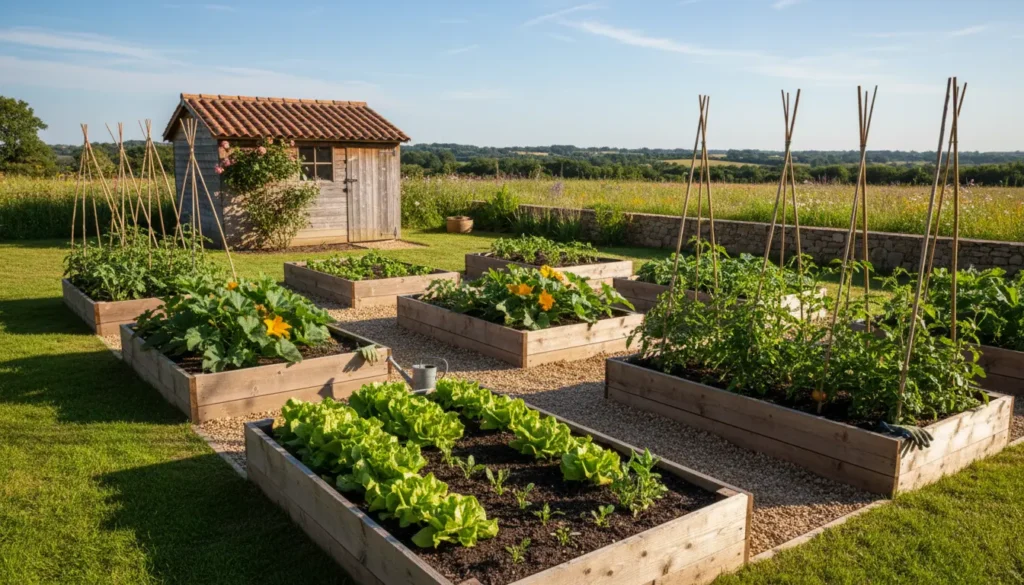
Overview of a raised bed vegetable garden
A raised bed vegetable garden brings soil control, better drainage, and easier access to growing your own food. This guide explains how to start a raised bed vegetable garden with clear steps and practical tips.
Why choose a raised bed vegetable garden
Raised beds warm faster in spring and drain better than in-ground plots. They also let you manage soil quality and reduce weeds without heavy tilling.

For small yards and patios, raised beds maximize space and make gardening accessible to beginners and people with limited mobility.
How to start a raised bed vegetable garden: step-by-step
1. Choose the right location for your raised bed vegetable garden
Pick a spot that gets at least 6 hours of direct sun for most vegetables. Sun exposure is the single most important factor for consistent harvests.
Ensure access to water and a relatively level surface. Avoid low spots that collect water or areas shaded by large trees.
2. Decide bed size and materials

Common bed sizes are 4 feet wide and 8 feet long. A 4-foot width allows easy reach from either side without stepping into the bed.
Materials include untreated cedar, composite boards, bricks, or concrete blocks. Avoid pressure-treated wood that may leach chemicals into the soil.
3. Build the bed
Basic steps are to cut and assemble the frame, set it on the chosen spot, and level the base. Secure corners with brackets or stakes.

Height of 10 to 12 inches is minimum for many vegetables. For deeper roots or better soil volume, 18 to 24 inches is ideal.
4. Prepare the soil mix for a raised bed vegetable garden
Use a mix that balances drainage and fertility. A common ratio is 50 percent topsoil, 30 percent compost, and 20 percent coarse sand or perlite for drainage.
Alternatively, use a ready-made organic raised bed mix. Aim for a loose, crumbly texture that holds moisture without becoming waterlogged.
5. Planting and crop selection
Start with easy vegetables like lettuce, radishes, tomatoes, peppers, and bush beans. Consider companion planting to maximize yield and deter pests.
Use a planting plan to rotate families each season. Rotate crops to limit disease buildup and nutrient depletion.
Maintenance tips for a productive raised bed vegetable garden
Water deeply and less often to encourage strong roots. Drip irrigation or soaker hoses save time and reduce foliar disease.
Mulch with straw or shredded leaves to retain moisture and suppress weeds. Add 1 to 2 inches of compost each season to replenish nutrients.
Pest and disease management
Keep plants healthy with adequate spacing and air circulation. Inspect plants weekly and remove diseased leaves promptly.
Use row covers for insect control and hand-pick slugs or caterpillars. Favor biological controls and organic options when possible.
Timing and seasonal planning for a raised bed vegetable garden
Start cool-season crops in early spring and fall. Warm-season crops go in after the last frost date for your area.
Succession planting keeps beds productive. Sow quick crops like radishes and salad greens between slower growers.
Materials checklist for starting a raised bed vegetable garden
- Bed frame materials: untreated wood, composite, or blocks
- Quality topsoil and compost or a premixed raised bed soil
- Drip irrigation or soaker hose (optional)
- Mulch, garden tools, and plant supports
- Seeds or starter plants suited to your climate
Raised beds can increase yields by up to 30 percent compared with traditional in-ground rows, due to improved soil structure and root health.
Small case study: Jenna’s backyard raised bed vegetable garden
Jenna converted a 10 by 6 foot sunny patch into two 4 by 8 foot raised beds. She used untreated cedar and filled them with a 50/30/20 soil mix.
In her first season she planted tomatoes, basil, lettuces, and bush beans. By using drip irrigation and monthly compost top-dressing, Jenna harvested fresh tomatoes from July to October.
Her simple rotation plan reduced leaf spot on tomatoes the next year and improved yields across all crops.
Common mistakes to avoid when you start a raised bed vegetable garden
- Using poor quality fill dirt that compacts and drains poorly
- Building beds too wide to reach into comfortably
- Skipping soil testing and assuming fertilizer needs
- Overwatering or using shallow beds for deep-rooted crops
Final tips for success
Start small and expand as you learn. Consistent care, good soil, and proper plant selection are the keys to a productive raised bed vegetable garden.
Keep a simple garden journal to track planting dates, varieties, and harvests. That record will help you improve each season.



