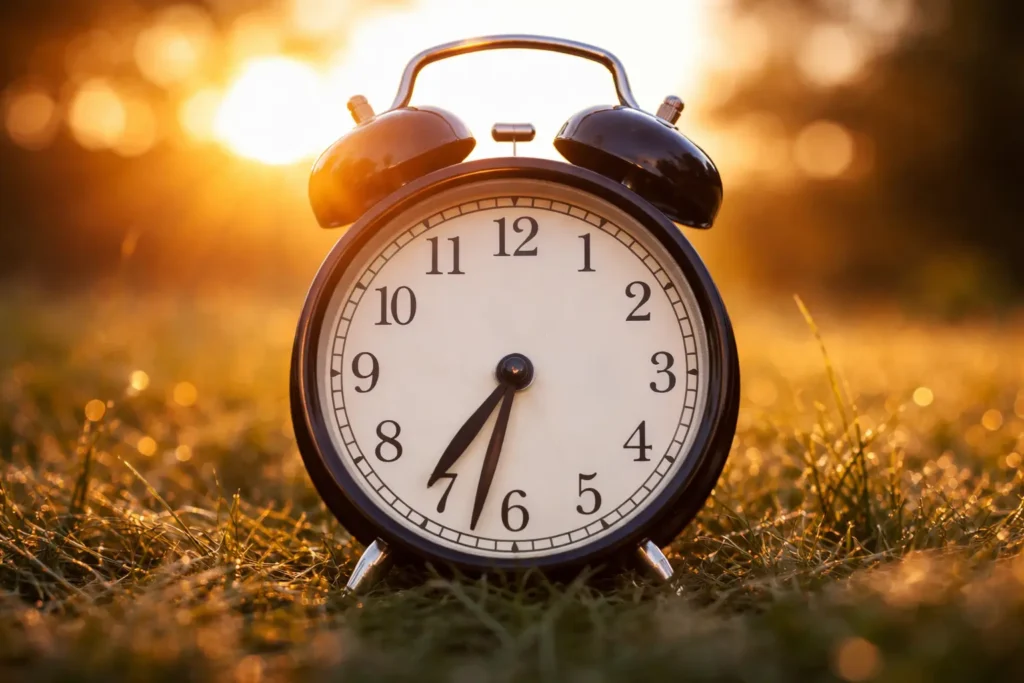
Daylight Saving Time affects many schedules each spring. This guide explains the Daylight Saving Time Start 2026 date, whether it begins this weekend, and simple steps to set clocks ahead so you are ready.
Daylight Saving Time Start 2026: Date and basics
In the United States, Daylight Saving Time (DST) begins on the second Sunday in March. For 2026, that date is Sunday, March 8.

The official switch happens at 2:00 a.m. local standard time. At that moment clocks are set forward one hour to 3:00 a.m., effectively shifting an hour of daylight from morning to evening.
Does It Begin This Weekend?
If today is a date before March 8, 2026, then Daylight Saving Time does not begin this weekend. The change is specifically scheduled for the night of March 7–8, 2026.
If you are reading this the weekend immediately before March 8, plan to set clocks ahead before going to bed on Saturday night so you wake up on the correct time on Sunday.
When to Set Clocks Ahead

Follow this practical rule: set non-automatic clocks ahead one hour at 2:00 a.m. local time on the start date. Most digital devices will update automatically, but manual clocks require attention.
- Time to set: 2:00 a.m. local standard time on the start date (becomes 3:00 a.m.).
- Amount: Move clocks forward by 1 hour (spring forward).
- Devices that usually update automatically: smartphones, modern computers, tablets, and smart home devices.
Who observes Daylight Saving Time?
Most U.S. states and territories follow DST, but there are exceptions. Arizona (except the Navajo Nation) and Hawaii do not observe Daylight Saving Time. U.S. territories — Puerto Rico, Guam, the U.S. Virgin Islands, and American Samoa — also do not observe DST.
Internationally, start dates vary. The European Union typically begins DST on the last Sunday in March, while many countries near the equator do not observe DST at all.
Quick checklist: What to update before DST starts
- Smartphones and computers: Check settings; most update automatically when set to the correct time zone.
- Wristwatches and wall clocks: Manually move them forward one hour.
- Car clocks and appliances: Update clocks in older cars, ovens, microwave clocks, and thermostats that don’t connect to the internet.
- Calendars and alarms: Confirm alarms, medication reminders, and scheduled events for the new time.

The U.S. moved the DST start date to the second Sunday in March under the Energy Policy Act of 2005. That change took effect in 2007.
Practical tips for businesses and households
Small timing mistakes on the DST weekend can disrupt appointments, shifts, and public transport schedules. Plan ahead so operations run smoothly.
Use this simple plan for homes and small businesses:
- Two days before: Remind staff, family members, and clients about the upcoming change.
- Night before: Move manual clocks forward before bed or the night after the change if you prefer sleeping through the switch.
- First morning: Check scheduled systems (heating, security, automated signage) for correct time.
Example: Small clinic case study
A small medical clinic in a suburban town prepared for DST Start 2026 by adjusting appointment reminders one week early. The clinic administrator updated automated reminders and posted notices on the clinic website.
Result: No missed appointments and a smooth Monday morning. Staff arrived at the correct times and the electronic charting system remained in sync because the server time zone was verified ahead of the switch.
Common mistakes and how to avoid them
People often forget to adjust clocks in vehicles, ovens, or wall clocks, causing local confusion. Here are common issues and quick fixes.
- Issue: Old car clocks don’t update. Fix: Change the clock manually and check travel times to avoid missed appointments.
- Issue: Smart devices on wrong time zone. Fix: Verify device time zone settings in system preferences and restart if needed.
- Issue: Scheduled tasks run at the wrong hour (e.g., backups, automated emails). Fix: Confirm server time zones and adjust cron jobs or scheduled tasks in advance.
International timing notes
If you work with colleagues or clients outside the U.S., confirm their local DST rules. The U.S. and Europe do not always change on the same date, which can temporarily shift the time difference by an hour.
For example, in 2026 the EU starts DST on Sunday, March 29, so the U.S.–EU time difference may change between March 8 and March 29. Mark your calendar and verify meeting times during that interval.
Final checklist before the Daylight Saving Time Start 2026
- Confirm the date: March 8, 2026 (U.S. second Sunday in March).
- Set manual clocks forward 1 hour at 2:00 a.m. local time.
- Verify automatic updates on phones, computers, and smart devices.
- Notify employees, clients, and household members about schedule impacts.
Following these simple steps ensures you are ready for Daylight Saving Time Start 2026 and reduces disruption to daily routines. Update manual clocks, check device settings, and confirm important appointments so the transition is smooth.