Why work from home productivity matters
Working from home changes how tasks get done and how teams communicate. Improved productivity at home preserves work-life balance and helps meet goals consistently.
When productivity drops, stress rises and deadlines slip. Simple process-level changes prevent that slide and make remote work sustainable.
Common pitfalls that hurt productivity
- Lack of routine or structure.
- Frequent interruptions from household or apps.
- Poor task prioritization and unclear boundaries.
Practical habits to boost work from home productivity

Adopt a few core habits rather than many half-implemented tactics. Focused changes produce consistent gains.
1. Create a predictable daily routine
Start and end your workday at regular times. Routines reduce decision fatigue and make deep work windows easier to schedule.
Include a short morning ritual: plan three priorities, check calendar, and set your first block.
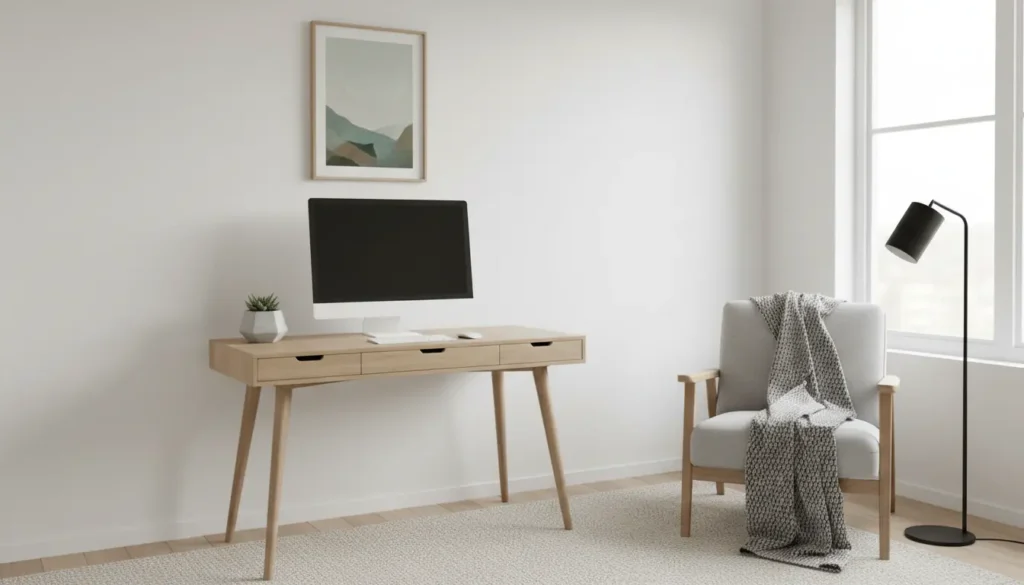
2. Set up a dedicated workspace

Use a consistent spot for work that supports posture and focus. Even a specific corner with good lighting improves concentration.
Keep work items on that spot and remove non-work clutter at the end of the day.
3. Time block and protect deep work
Schedule blocks for focused tasks and mark them on your calendar. Treat these blocks like meetings so others respect them.

Use 60–90 minute deep work blocks followed by short breaks for best focus.
4. Batch similar tasks
Group related tasks—emails, calls, creative work—into distinct sessions. Batching reduces context switching and saves energy.
Example batches: morning deep work, midday calls, afternoon admin and email.
5. Reduce interruptions
- Turn off noncritical notifications during deep work.
- Use a visible signal (closed door, headphones) to show you are not available.
- Establish family or household boundaries about your work hours.
6. Make meetings intentional
Only accept meetings with a clear agenda and decision points. Keep meetings short and time-boxed.
Use asynchronous updates when possible to free synchronous time for focused work.
7. Use simple productivity tools
Choose a small set of reliable tools and stick with them. Too many apps create overhead and notifications.
- Task manager: Todoist, Microsoft To Do, or Trello.
- Calendar: Google Calendar or Outlook with blocked focus time.
- Timer: Pomodoro apps or a simple phone timer for blocks.
Work from home productivity: measuring and adjusting
Track a few meaningful metrics rather than detailed monitoring. Metrics should inform change, not punish effort.
Key metrics to watch
- Completed high-priority tasks per week.
- Number of uninterrupted deep work hours.
- Average meeting time per day.
Review these weekly and adjust routines that block deep work or cause churn.
Small experiments to run
- Try a day with no meetings and measure output.
- Test shifting deep work to a different time of day.
- Limit email checks to two windows and monitor response impact.
Quick case study: One manager’s small changes
Sarah is a marketing manager who felt overwhelmed by constant context switching. Her calendar was full of 30-minute check-ins and interruptions.
She implemented three changes: blocked morning deep work for two hours, limited meetings to 25 minutes, and designated a physical work corner. Within four weeks her completed priority tasks rose 40% and she reported less stress.
Her team also noted clearer agendas in shorter meetings, increasing decision speed and causing fewer follow-up emails.
Studies show focused work blocks of 60 to 90 minutes can significantly improve productivity compared with frequent task switching.
Actionable checklist to improve productivity at home
- Define work hours and stick to them for one week.
- Create a dedicated workspace and clear it nightly.
- Time block two daily deep work sessions and protect them.
- Batch emails and small tasks into fixed windows.
- Audit meetings: cancel, shorten, or combine unnecessary ones.
- Measure one productivity metric and review weekly.
Improving work from home productivity is about consistent, practical changes. Start small, measure results, and iterate based on what works for you and your team.



