Why choose container vegetable gardening
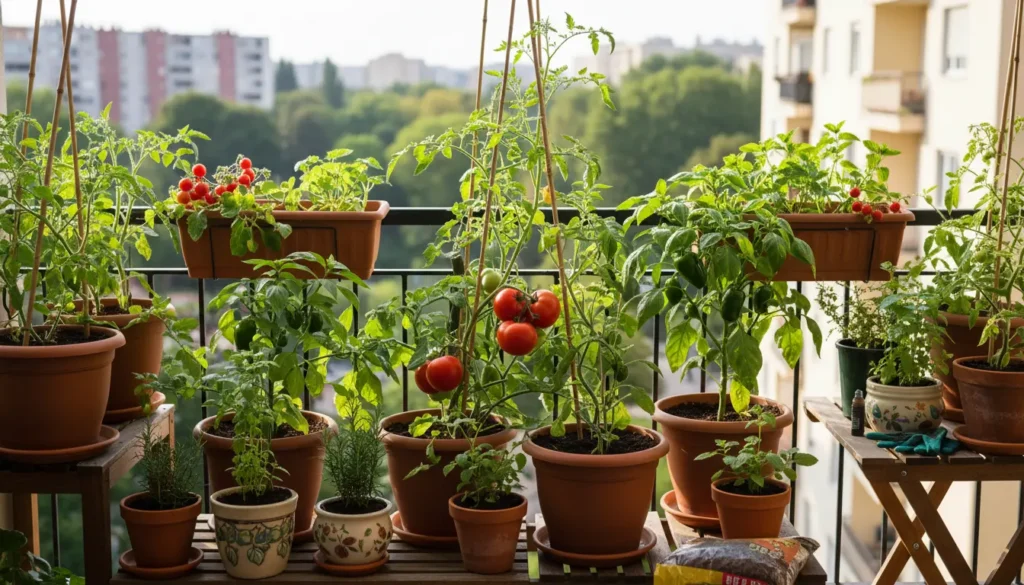
Container vegetable gardening makes fresh produce possible even without a yard. It works on balconies, patios, windowsills, and rooftops.
This approach reduces weeding, lets you control soil quality, and shortens harvest time for many crops. It is ideal for beginners and urban gardeners.
Choosing containers and soil for container vegetable gardening
Good containers and the right soil are the foundation of success. Choose containers with drainage, adequate volume, and materials suited to your budget and climate.
Container size and materials
Match container size to the plant’s root needs. Small herbs can thrive in 6–8 inch pots, while tomatoes and peppers need 12–20 inch containers or larger.
Options include plastic, terracotta, fabric grow bags, and wooden planters. Fabric pots drain well and reduce root circling; terracotta breathes but dries faster.
Best potting mix for container vegetable gardening
Use a high-quality potting mix, not garden soil. Potting mixes are lighter and drain better, preventing root rot in containers.
Look for mixes labeled for vegetables or add perlite and compost to improve drainage and nutrients.
Selecting vegetables for container gardening
Pick vegetables that adapt well to containers and your climate. Many compact or determinate varieties are bred for pots.
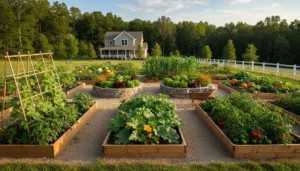
Vegetables suited for containers include:
- Leafy greens: lettuce, spinach, arugula
- Herbs: basil, parsley, chives
- Compact tomatoes: patio or determinate types
- Peppers: both sweet and hot
- Root crops: radishes, baby carrots, smaller beets
- Vining crops in large containers with supports: bush beans, dwarf cucumbers
Planting, watering, and fertilizing in container vegetable gardening
Planting depth and spacing matter. Follow seed packet or plant label instructions but reduce spacing slightly for containers compared with garden beds.
Containers require consistent watering because they dry faster. Establish a simple routine and adjust for weather and pot material.
Watering schedule and drainage
Water when the top 1–2 inches of soil feel dry. In hot weather, daily watering may be needed; in cool weather, every few days can suffice.
Ensure each container has drainage holes and that excess water can escape to avoid soggy roots.
Fertilizing tips
Container soil loses nutrients faster than in-ground beds. Use a balanced, water-soluble fertilizer every 2–4 weeks or a slow-release granular fertilizer according to package directions.
Consider additional compost tea or liquid feeds for heavy feeders like tomatoes to support fruiting.
Pest control and maintenance for container vegetable gardening
Containers can reduce pest pressure but don’t eliminate it. Regular checks keep pests and diseases manageable.
- Inspect leaves for holes, yellowing, or sticky residues weekly.
- Remove dead foliage promptly to reduce disease spread.
- Use mesh covers or collars to protect seedlings from birds and slugs.
Introduce beneficial insects or use organic sprays if infestations grow. Neem oil and insecticidal soaps are effective and safe for many vegetables.
Harvesting and rotating crops
Harvest regularly to encourage further production. Pick leafy greens frequently and remove mature fruits promptly.
Rotate crops seasonally or replace spent plants with a different family to avoid pathogen buildup. Replenish potting mix or add compost between plantings.
Compact tomato varieties can produce up to 10 pounds of fruit from a single 10–12 inch container in one season when given consistent water, fertilizer, and full sun.
Small real-world example: Balcony tomato case study
Maria, an apartment resident, had a 6-foot balcony and limited time. She chose a 15-inch plastic container, well-draining potting mix, and a determinate patio tomato.
She placed the container in full sun, watered every morning for 10 minutes with a drip bottle, and applied liquid fertilizer every three weeks. By week 12 she harvested 8–10 medium tomatoes and continued light harvests for six weeks.
Key takeaways from Maria’s case:
- Choose the right container and variety for limited space.
- Consistent watering and feeding made a clear difference.
- Small investments in soil and fertilizer yielded measurable harvests.
Quick checklist to start container vegetable gardening
- Pick a sunny spot with 4–6 hours of sun for most vegetables.
- Select containers with drainage and appropriate size for chosen plants.
- Use quality potting mix and amend with compost if needed.
- Choose compact or determinate vegetable varieties for pots.
- Set a watering routine and fertilize regularly.
- Monitor pests and rotate crops seasonally.
Getting started with container vegetable gardening
Start small with a few pots and easy crops like lettuce and herbs. Observe how sunlight, wind, and watering affect your containers, then scale up.
Container vegetable gardening is forgiving and flexible. With basic planning and regular care you can enjoy fresh vegetables even in the smallest spaces.