Starting a podcast can feel overwhelming, but a clear process makes it manageable. This guide breaks down the steps and tools you need to start a podcast and reach your first listeners.
Why Start a Podcast
Podcasts build trust and deep engagement with an audience. They are a strong channel for storytelling, education, or promoting a business without heavy ad spend.

Before you start a podcast, identify the primary goal: educate, entertain, or convert. That focus guides format, length, and promotion.
Equipment You Need to Start a Podcast
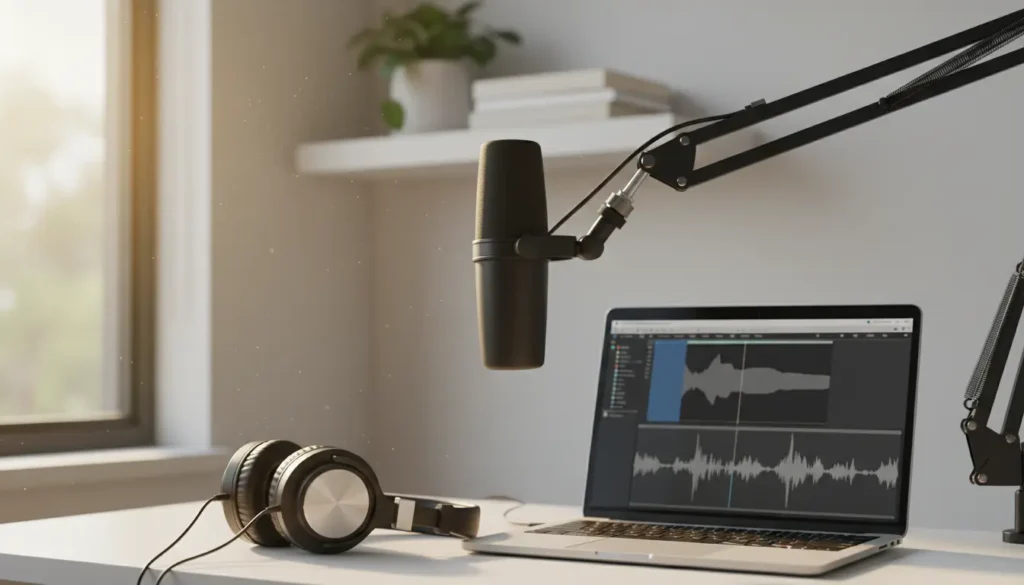
You do not need studio gear to start a podcast. A simple setup will produce professional-sounding episodes when you follow basic best practices.
Essential gear to start a podcast
- USB or XLR microphone (good starter: dynamic USB mic)
- Closed-back headphones to monitor audio
- Quiet room and a simple pop filter or foam cover
- Computer with recording software (Audacity, GarageBand, or a paid DAW)
- Optional: audio interface if using XLR mics
Step-by-Step Setup to Start a Podcast
Follow these steps to move from idea to the first published episode. Each step is practical and can be completed in a day or less.
1. Define your niche and audience
Pick a clear topic and a target listener. Narrow focus helps discoverability and makes episode ideas easier to plan.
Example prompts: who does this serve, what problem do they have, and what value will each episode deliver?
2. Plan episodes and format
Decide episode length, frequency, and structure. A common approach is a 20–40 minute interview or a 10–20 minute solo episode.

Create an episode list for the first 8–12 episodes to keep momentum after launch.
3. Choose a name, description, and artwork
Pick a podcast name that is short and descriptive. Write a 1-2 sentence show description that includes your main topic and who the show is for.
Design cover art in a square 3000×3000 px format with clear visuals. A simple, bold design works best for small thumbnails.
4. Record and edit your first episodes
Record in a quiet room and do a short test recording to check levels. Aim for consistent distance from the mic to avoid volume swings.
Edit for clarity: remove long pauses, reduce background noise, and add an intro/outro. Export as high-quality MP3 (128–192 kbps).
5. Choose a podcast host and submit to directories
Pick a podcast hosting provider that gives an RSS feed, analytics, and reliable storage. Popular options include Libsyn, Podbean, and Anchor.
Submit your RSS feed to Apple Podcasts, Spotify, Google Podcasts, and other directories for distribution.
6. Publish and promote
Launch with 3 episodes to give new listeners immediate value. Share the episodes across email, social, and relevant communities.
Use short clips and audiograms to create social content. Encourage listeners to subscribe and leave reviews in the first two weeks.
Editing and Production Tips to Improve Quality
Good editing makes a big difference in listener retention. Focus on pacing, clarity, and consistent volume.
- Normalize audio levels across episodes
- Use noise reduction sparingly to avoid artifacts
- Add music beds and transitions to signal topic changes
Launch Strategy to Grow Listeners
Promotion should begin before launch and continue after release. Building momentum early increases your chances of being picked up by directories.
- Email your network with a personal invite to listen
- Cross-promote with other podcasters in your niche
- Repurpose episodes into blog posts and social clips
- Run a small paid campaign targeting interest groups related to your topic
Small Real-World Case Study
Case: A local bakery owner launched a podcast called Bakes and Business to share recipes and small-business tips. They recorded short 15-minute episodes twice a week and launched with five episodes.
Within six weeks the show reached 1,200 downloads, brought in three new catering clients, and grew the bakery’s email list by 18 percent. Simple, consistent promotion in the bakery and on local Facebook groups drove early traction.
Over half of podcast listeners say they discover new shows through social media and word of mouth. Early sharing can dramatically boost your launch.
Quick Checklist Before You Publish
- Clear show name and description that include your topic
- High-quality cover art and consistent episode thumbnails
- At least 3 polished episodes ready for launch
- Hosting account with RSS feed and analytics enabled
- Promotion plan: email, social, and partnerships
Starting a podcast is mostly about consistency and clarity. With a simple setup and a focused plan you can publish your first episodes within a few weeks and build an engaged audience over time.