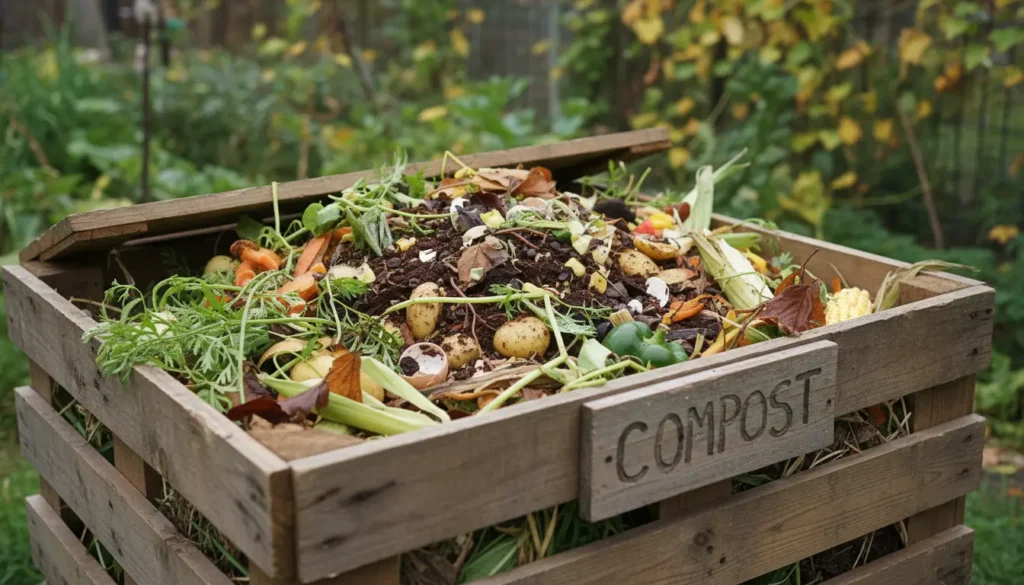
Home Composting Basics
Home composting turns kitchen scraps and yard waste into soil conditioner you can use in gardens and potted plants. This guide covers simple methods that work for small yards, balconies, and urban settings.
Why home composting matters
Composting reduces household waste, lowers methane from landfills, and returns nutrients to soil. It also improves soil structure and helps retain moisture, which can reduce irrigation needs.
How to Start Home Composting

Starting composting requires a container, a mix of materials, and a bit of routine maintenance. You can begin with a simple bin or a pile, depending on space and local rules.
Choose a composting system
Common systems include a simple outdoor bin, a tumbler, and an indoor worm bin (vermicomposting). Pick one based on available space and how much waste you produce.
- Outdoor bin: Best for yards and medium volumes of waste.
- Tumbler: Easier turning and faster results but costs more.
- Worm bin: Ideal for apartments and small volumes; produces rich castings.
Where to place your compost
Place the bin on soil or grass to allow organisms to enter and excess liquid to drain. Choose a partly shaded spot to avoid drying out or overheating.
What to Compost: Materials and Ratios

Compost needs a balance of ‘greens’ (nitrogen) and ‘browns’ (carbon). Proper balance speeds decomposition and reduces odors.
Greens (Nitrogen)
- Vegetable and fruit scraps
- Fresh grass clippings
- Coffee grounds and tea leaves
Browns (Carbon)
- Dry leaves
- Shredded paper and cardboard (non-glossy)
- Wood chips and straw
A practical rule is roughly 2 to 3 parts browns to 1 part greens by volume. Adjust if the pile is too wet or smelly (add more browns) or if decomposition is slow (add more greens).
Step-by-Step Composting Process
Follow these steps to build and maintain a healthy compost pile.
- Layer a base of coarse browns to help airflow.
- Add alternating layers of greens and browns, chopping large items.
- Keep the pile moist like a wrung-out sponge; water if dry.
- Turn or aerate every 1–2 weeks for faster breakdown.
- Harvest finished compost when it looks dark and crumbly.
Turning and monitoring
Turning mixes oxygen into the pile, which supports aerobic microbes and reduces odor. Use a pitchfork or a compost tumbler; focus on turning the outer material into the center.
Troubleshooting Common Problems in Home Composting
Problems are usually signs of imbalance. Identify the symptom and apply the simple fix listed.
- Bad odors: Add brown materials and aerate the pile.
- Piles too dry: Add water and more greens.
- Slow decomposition: Chop materials smaller and add a nitrogen source.
- Pests: Avoid meat, dairy, and oily foods; bury food scraps under browns.
Home Composting Tips and Best Practices
Small habits make composting easier and cleaner.
- Keep a small countertop bin with a tight lid for kitchen scraps.
- Chop or shred large items to speed breakdown.
- Use finished compost as a soil top dressing, potting mix additive, or lawn amendment.
- Label bins and keep tools dedicated to compost use to avoid contamination.
Composting one ton of organic waste can save approximately 0.5 to 1.0 metric tons of CO2 equivalent compared with sending it to a landfill. Home composting contributes directly to lower methane emissions.
Small Real World Example
Case Study: A two-person household started with a 120-liter outdoor bin and a 10-liter kitchen caddy. They collected food scraps and yard trimmings, chopping larger items and aiming for a 3:1 brown to green ratio.
After six months of weekly turning, they produced about 80 liters of finished compost. Their weekly landfill waste dropped by nearly 40 percent, and they used the compost in two raised garden beds to improve tomato yields the following season.
Composting Safety and Local Rules
Check local regulations before setting up an outdoor bin; some areas restrict composting methods or require specific containment. Also, avoid composting diseased plant material and pet waste from carnivores.
When to use caution
- Do not compost meat, bones, or dairy in open bins unless you have a hot compost system.
- Avoid invasive plant parts that can re-root, like certain weed roots or knotweed fragments.
Final Checklist for Home Composting
Use this checklist to keep composting consistent and effective.
- Choose an appropriate bin or system for your space.
- Maintain a balance of browns and greens.
- Keep the pile moist and aerated.
- Monitor for pests and odors and adjust materials as needed.
- Harvest finished compost and apply it to soil.
With basic attention and a simple routine, home composting is an accessible way to reduce waste and enrich your garden. Start small, learn by doing, and scale the system as your confidence grows.



