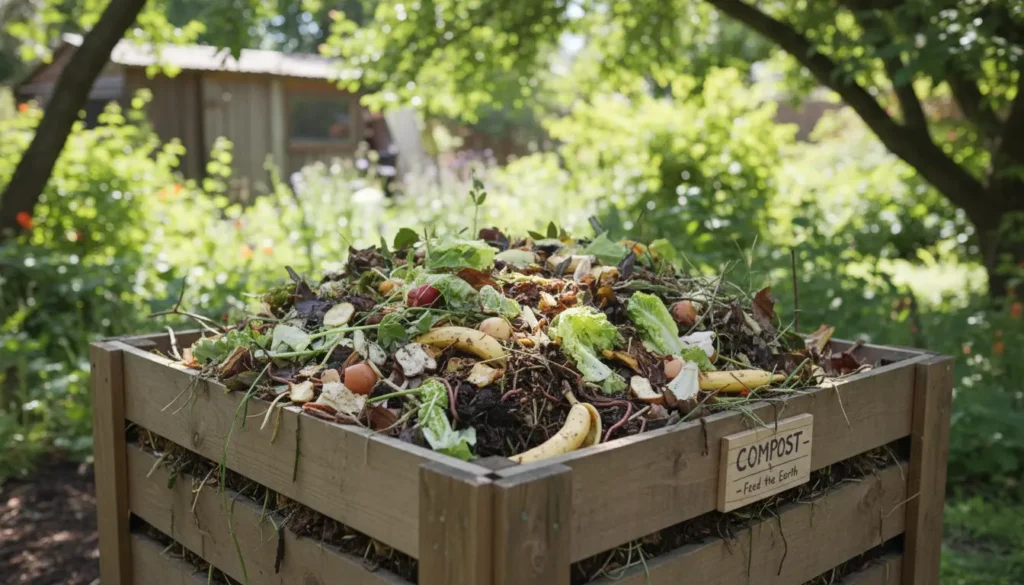
Start Composting at Home with Clear Steps
Composting at home turns kitchen and yard waste into valuable soil material. This guide gives practical, step-by-step instructions to begin home composting with minimal fuss.
Why Home Composting Matters
Home composting reduces household waste and returns nutrients to your garden. It lowers garbage costs and cuts methane emissions from landfills when done consistently.
Benefits of Home Composting
- Reduces kitchen and yard waste sent to landfill.
- Improves soil structure and water retention in gardens.
- Reduces need for chemical fertilizers.
Getting Started with Home Composting
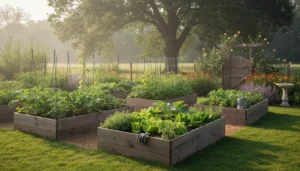
Before you start, decide on a composting method that fits your living situation. Options include a simple bin, tumblers, or a three-bin system for larger gardens.
Choosing a Compost Bin
Select a bin based on space and effort. Tumblers speed up mixing but cost more. Stationary bins are low-cost and low-effort for most beginners.
What to Put in Your Compost
Composting relies on a balance of carbon-rich and nitrogen-rich materials. Learn simple categories to maintain a healthy pile.
- Greens (Nitrogen): vegetable scraps, coffee grounds, fresh grass clippings.
- Browns (Carbon): dry leaves, shredded paper, cardboard, straw.
- Avoid: meat, dairy, oils, diseased plants, and pet waste in most home systems.
Composting Process Step-by-Step
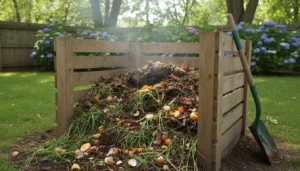
Follow these steps to build and maintain an active compost pile. Each step uses practical actions you can do in 10–30 minutes weekly.
Step 1: Build the Base
Start with a 4–6 inch layer of coarse material like twigs or straw to improve airflow. Add alternating layers of greens and browns about 2–3 inches thick.
Step 2: Maintain Moisture and Air
Your pile should be moist like a wrung-out sponge. If it is dry, add water and more greens. Turn or mix the pile every 1–2 weeks to add air and speed decomposition.
Step 3: Monitor Temperature
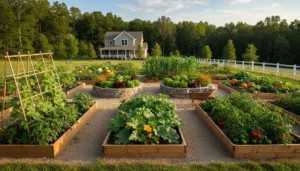
A hot compost pile (between 120–160°F or 50–70°C) breaks down material faster and kills many weed seeds. Use a compost thermometer for accuracy or rely on the pile feeling warm to the touch inside.
Troubleshooting Home Composting Problems
Common issues are easy to fix with small adjustments to balance and care. Keep a short checklist nearby for quick fixes.
Common Problems and Fixes
- Bad smell: Add more browns and turn the pile to increase airflow.
- Pile too dry: Add water and greens; avoid overmixing dry materials only.
- Slow breakdown: Chop materials smaller, add nitrogen-rich greens, or increase turning frequency.
Composting can divert up to 30% of household waste from the trash. A well-managed home compost pile can produce usable compost in 2–6 months.
Practical Tips for Ongoing Success
Keep a small countertop pail for kitchen scraps and empty it into the outdoor bin twice a week. Shredding or chopping materials shortens decomposition time significantly.
Simple Routines
- Collect scraps in a covered container to reduce pests and odors.
- Layer browns regularly after adding wet material to keep the mix balanced.
- Place your bin in partial shade to prevent drying out in hot weather.
Small Real-World Example: Suburban Home Compost Case Study
Anna, a homeowner with a small backyard, started a single 50-gallon compost bin. She used a 3:1 ratio of browns to greens, turned the bin every 10 days, and added garden trimmings weekly.
Within four months, Anna produced enough finished compost to top-dress her vegetable beds. Her household reduced trash volume by roughly 35% and improved soil health noticeably.
Frequently Asked Questions About Home Composting
How long until compost is ready?
Compost can be ready in 2–6 months for active systems. Passive piles may take a year or more. Finished compost is dark, crumbly, and smells earthy.
Can I compost in an apartment?
Yes. Consider vermicomposting with worms or a compact indoor composter for vegetable scraps. Both options are suitable for small spaces and produce quick results.
Final Checklist to Start Home Composting
- Choose a bin type that fits your space and budget.
- Gather a balance of greens and browns before starting.
- Monitor moisture, aeration, and temperature weekly.
- Turn the pile regularly and troubleshoot odors quickly.
With a simple bin and a few weekly minutes, home composting becomes an easy habit that benefits your garden and the planet. Start small and build a routine that fits your schedule.