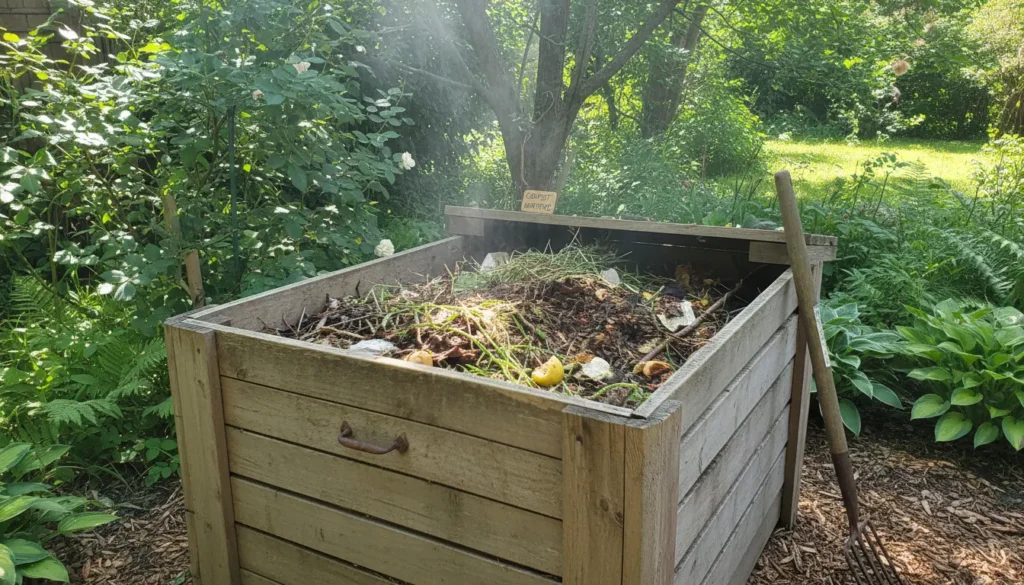
Composting at home turns kitchen scraps and yard waste into nutrient-rich soil for gardens and potted plants. This guide gives clear, practical steps to start, maintain, and use compost with simple tools and routines.
Why choose composting at home
Composting reduces household waste and lowers landfill contributions. It also improves soil structure, retains moisture, and feeds plants naturally.

For many households, a small compost system saves money on waste disposal and fertilizer while supporting a circular approach to resources.
What you need to start composting at home
Starting composting at home does not require complex equipment. Focus on four basic elements: materials, air, moisture, and time.
Materials to use in home compost
- Greens: fruit and vegetable scraps, coffee grounds, fresh grass clippings.
- Browns: dry leaves, shredded paper, cardboard, straw.
- Avoid: meat, dairy, oils, diseased plants, and pet waste to prevent pests and odors.
Equipment options for composting at home
You can choose from simple piles to enclosed bins depending on space and preference.
- Open pile: Good for large yards; low cost but takes more space and attention.
- Stationary bin: Affordable, tidy, and keeps pests away when properly closed.
- Tumbler: Easier mixing and faster results; ideal for small yards or patios.
Step-by-step process for composting at home

Follow these steps to build and maintain a healthy compost system.
- Choose a location: Select a shaded, level spot with good drainage and easy access.
- Assemble your base: Start with coarse browns like twigs to provide airflow at the bottom.
- Add materials in layers: Alternate greens and browns in 2–4 inch layers to balance carbon and nitrogen.
- Maintain moisture: Aim for the dampness of a wrung-out sponge; add water in dry conditions and more browns if too wet.
- Turn or aerate: Mix or tumble every 1–2 weeks to supply oxygen and speed decomposition.
- Monitor temperature: A hot active pile reaches 130–150°F (54–66°C); cool piles will decompose more slowly but still work.
- Harvest finished compost: After 2–12 months, finished compost will be dark, crumbly, and smell earthy. Sift and use in the garden.
Common problems and solutions when composting at home
- Bad odors: Usually from too much wet greens or lack of air. Solution: add browns and turn the pile.
- Pests like rodents: Avoid meat and fatty foods, use a secured bin, and bury food scraps under browns.
- Slow breakdown: Improve the green-to-brown ratio, increase surface area by chopping materials, and maintain moisture and heat.
- Too wet or soggy: Add dry browns and mix to increase airflow.
Composting at home case study
Case study: A small urban family of three started a 40-gallon tumbler in spring. They collected kitchen scraps and lawn trimmings and added shredded cardboard as browns.
Within four months they produced about 60 liters of usable compost. The family reduced their trash volume by nearly 30% and used the compost to top-dress potted vegetables, which showed better growth and water retention.
Tips to speed up composting at home and use compost effectively
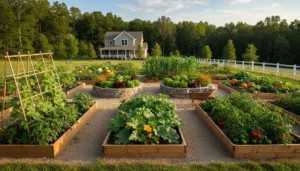
Simple adjustments improve compost speed and quality.
- Chop or shred larger items to increase surface area.
- Keep a proper balance: aim for roughly 2–3 parts browns to 1 part greens by volume.
- Use compost as a soil amendment: mix 2–4 inches into garden beds or use as potting topdress.
- Store finished compost in a covered bin to keep it ready for seasonal use.
Composting can reduce household waste by up to 30 percent and helps lower methane emissions from landfills. Even small-scale home composting has measurable environmental benefits.
Example composting schedule for beginners
Follow this weekly plan to maintain an active, healthy compost system.
- Week 1: Build base layers and add initial greens and browns.
- Week 2: Check moisture and turn the pile once.
- Week 3–6: Add materials as produced, turn every 1–2 weeks, and monitor temperature.
- Month 2–6: Reduce turning frequency as materials break down; harvest small amounts when dark and crumbly.
Actionable checklist to start composting at home
- Select a bin or site and gather browns and greens.
- Layer materials and maintain moisture like a wrung-out sponge.
- Turn regularly to add air and speed decomposition.
- Keep out prohibited items and manage pests by burying scraps and securing the bin.
Composting at home is a practical, low-cost way to reduce waste and enrich soil for gardening. With basic tools and regular attention, most households can produce useful compost within a few months. Start small, keep the system balanced, and adjust as you learn what works in your space.



