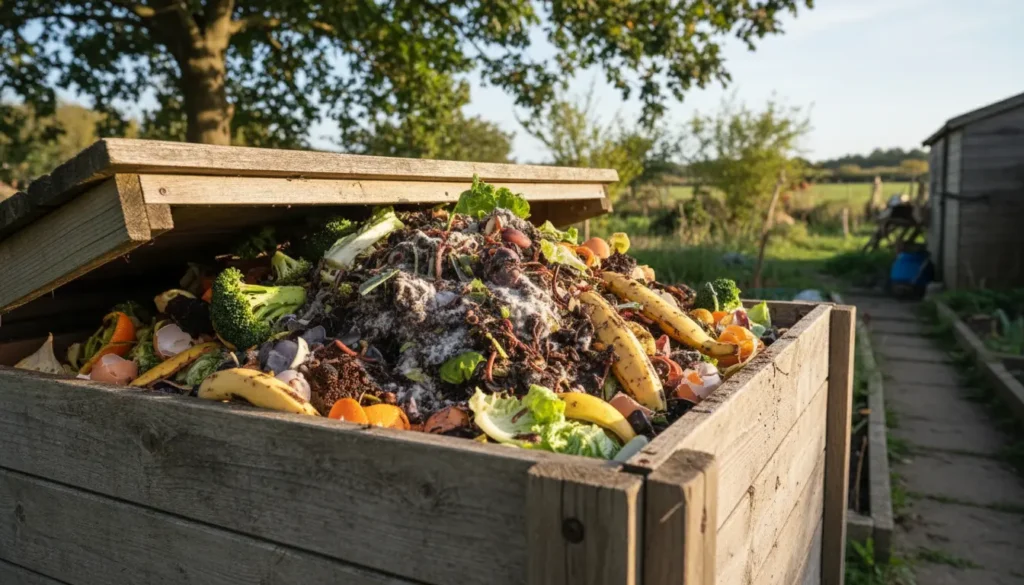
Start Home Composting for Beginners With a Simple Plan
Home composting turns kitchen scraps and yard waste into valuable soil material. This guide explains simple, practical steps you can follow today.
What is home composting?
Home composting is the controlled decomposition of organic waste at a household scale. It uses microbes, air, moisture, and the right balance of materials to make nutrient-rich compost.
Benefits of home composting

Composting reduces landfill waste and returns nutrients to soil. It improves soil structure, increases moisture retention, and supports healthier plants.
Getting Started With Home Composting for Beginners
Choose a composting method that fits your space and routine. Even small balconies can support a system with the right approach.
Choose a method
- Compost bin: Enclosed, neat, and good for yards.
- Tumbler: Faster turning and less effort, ideal for small yards.
- Compost pile: Low cost and flexible, best for larger spaces.
- Vermicomposting: Uses worms, perfect for apartments or indoor setups.
Where to place your compost
Pick a well-drained, level spot if outdoors. For balconies, use a contained bin or worm box to avoid pests and odors.
What to Compost: Greens and Browns

Understanding greens and browns keeps your compost active and balanced. Aim for a mix, not just one type.
Examples of greens (high nitrogen)
- Vegetable and fruit scraps
- Fresh grass clippings
- Coffee grounds and tea leaves
Examples of browns (high carbon)
- Dry leaves, straw, and shredded paper
- Cardboard pieces (torn)
- Wood chips in small amounts
Composting Process and Maintenance
Follow a few routine tasks to keep compost healthy. Regular attention speeds decomposition and prevents problems.
Basic steps
- Layer greens and browns: Aim roughly for 1 part greens to 2–3 parts browns.
- Keep moist: Compost should feel like a wrung-out sponge.
- Turn the pile: Aerate every 1–2 weeks to supply oxygen.
- Watch temperature: A warm core (40–60°C or 104–140°F) speeds breakdown in active systems.
Tools and supplies
- Pitchfork or turning tool
- Compost thermometer (optional)
- Bin or tumbler suitable for your space
Microbes and invertebrates do most of the work in compost. Earthworms can double decomposition speed and improve final compost quality.
Troubleshooting Home Composting for Beginners

Common issues are easy to fix with small adjustments. Troubleshooting helps maintain a steady composting rhythm.
Smelly compost
Cause: Too much green, not enough air. Fix: Add brown material and turn the pile to introduce oxygen.
Pests in the bin
Cause: Exposed food scraps or meat/dairy in system. Fix: Avoid meat and dairy, bury food under browns, use a closed bin if necessary.
Slow decomposition
Cause: Too dry, too cold, or lacking nitrogen. Fix: Moisten, add fresh greens, and insulate or move bin to a sunnier spot.
Real-World Example: A Small Balcony Vermicompost Case
Case: Maya lives in a two-bedroom apartment and started a worm bin with 1 kg of red wigglers. She added kitchen scraps and shredded paper in alternating layers.
Result: After three months she harvested 10 liters of dark, crumbly compost and reduced weekly trash by half. Her balcony plants required less watering and grew stronger leaves within a month of adding compost.
Using Finished Compost and Next Steps
Finished compost is dark, crumbly, and smells earthy. Use it to topdress pots, mix with potting soil, or enrich garden beds.
How to use finished compost
- Topsoil boost: Mix 1–2 inches of compost into garden beds annually.
- Potting mix: Blend 20–30% compost with soil for container plants.
- Seed starting: Use small amounts mixed into seed trays for nutrient support.
Keep Learning and Scaling Up
Track what you add and how your compost reacts. Small changes like more browns or faster turning can produce better results.
As you gain experience, try larger bins, community composting, or batch hot composting for faster output.
Home composting for beginners is a low-cost, high-impact way to reduce waste and enrich soil. Start small, keep it balanced, and adjust as you learn.



