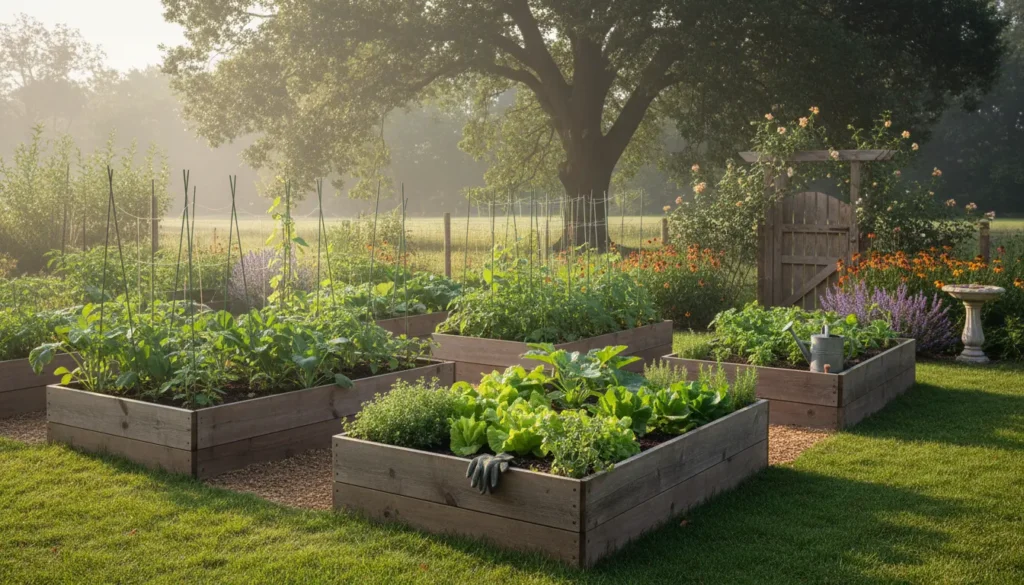
Start a Vegetable Garden: Overview
Starting a vegetable garden is a practical way to grow fresh food, save money, and enjoy time outdoors. This guide gives clear, step-by-step instructions so you can begin with confidence.
Why Start a Vegetable Garden
A vegetable garden supplies fresh produce and reduces grocery trips. It also teaches seasonal planning and can improve mental and physical health.
Benefits of a Vegetable Garden
- Fresh, tastier produce than store-bought items.
- Lower grocery costs over time.
- Control over growing methods and fewer chemicals.
- Physical activity and outdoor time.
Where to Start a Vegetable Garden: Site Selection
Choose a sunny spot. Most vegetables need 6 to 8 hours of direct sunlight daily.
Consider soil drainage and access to water. Avoid low spots that collect water after rain.
Types of Garden Locations
- In-ground beds: Best for deep-rooted crops if soil is good.
- Raised beds: Easier soil control and better drainage.
- Containers and balcony boxes: Ideal for small spaces or renters.
Planning to Start a Vegetable Garden: What to Grow
Start with easy, high-reward vegetables. Choose plants suited to your climate and season.
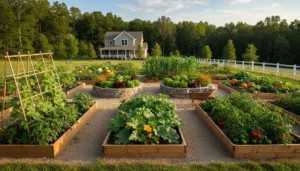
Use a mix of quick-harvest crops and longer-season staples for steady production.
Good Beginner Crops
- Lettuce, spinach and other salad greens — fast and continuous harvests.
- Radishes and carrots — simple root crops for cooler seasons.
- Tomatoes and peppers — common and productive in warm weather.
- Beans and peas — good yields and improve soil with nitrogen.
Soil Preparation When You Start a Vegetable Garden
Healthy soil is the foundation of any successful vegetable garden. Test and improve soil before planting.
Work organic matter into the soil and correct pH if needed. Most vegetables prefer pH 6.0 to 7.0.
Steps to Prepare Soil
- Test soil pH and texture with a kit or local extension service.
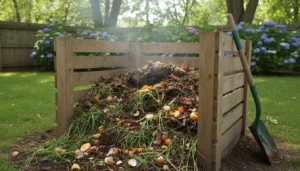
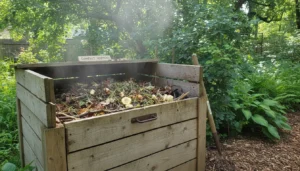
- Add compost or well-rotted manure to increase fertility and structure.
- Incorporate coarse sand or organic material for heavy clay soils to improve drainage.
- Apply a balanced organic fertilizer if a soil test shows nutrient needs.
How to Start a Vegetable Garden: Planting and Layout
Plan rows and spacing according to seed packet or plant label directions. Crowding reduces airflow and increases pest risk.
Group plants with similar water and light needs together to simplify care.
Planting Tips
- Use succession planting for continuous harvests — plant fast crops every 2–3 weeks.
- Mulch around plants to retain moisture and reduce weeds.
- Stake or cage vining plants like tomatoes and cucumbers early to avoid root disturbance later.
Maintenance After You Start a Vegetable Garden
Regular maintenance keeps plants productive. Water, weed, and check for pests weekly.
Focus on early detection for diseases and pests to prevent spread.
Routine Care Checklist
- Water deeply once or twice a week depending on weather; avoid shallow daily watering.
- Remove weeds by hand or with a hoe before they set seed.
- Prune only when necessary; remove diseased foliage promptly.
Harvesting and Storage
Pick vegetables when they are mature but still young for best flavor. Harvest frequently to encourage more production.
Store produce according to type: leafy greens in cool, moist conditions and root crops in a dark, cool spot.
Small Case Study: Emma’s Balcony Garden
Emma began a balcony vegetable garden with limited space and a small budget. She used three 2-foot-long containers and bought seed packets for lettuce, cherry tomatoes, and basil.
By placing the containers where they received morning sun and watering every other day, she harvested salad greens within four weeks. Her cherry tomatoes produced by mid-summer, giving her consistent fresh salads without a backyard.
Emma’s simple setup demonstrates how container gardening can let anyone start a vegetable garden with limited space.
Some heritage tomato varieties can produce for more than 100 days with proper pruning and feeding. Choosing indeterminate types extends harvest through the season.
Quick Troubleshooting When You Start a Vegetable Garden
Identify common problems early: yellow leaves often mean nutrient or watering issues, while holes in leaves point to pests. Use traps, hand-picking, or organic controls as needed.
Rotate crops annually to reduce soil-borne disease and pest build-up.
Final Checklist to Start a Vegetable Garden
- Pick a sunny site or containers with good light.
- Test and amend soil; add compost.
- Choose beginner-friendly crops suited to your season.
- Plan spacing and succession planting.
- Set a weekly care routine for watering, weeding, and monitoring.
Starting a vegetable garden is a learn-by-doing process. Begin small, keep notes on what works, and expand each season as you gain confidence.