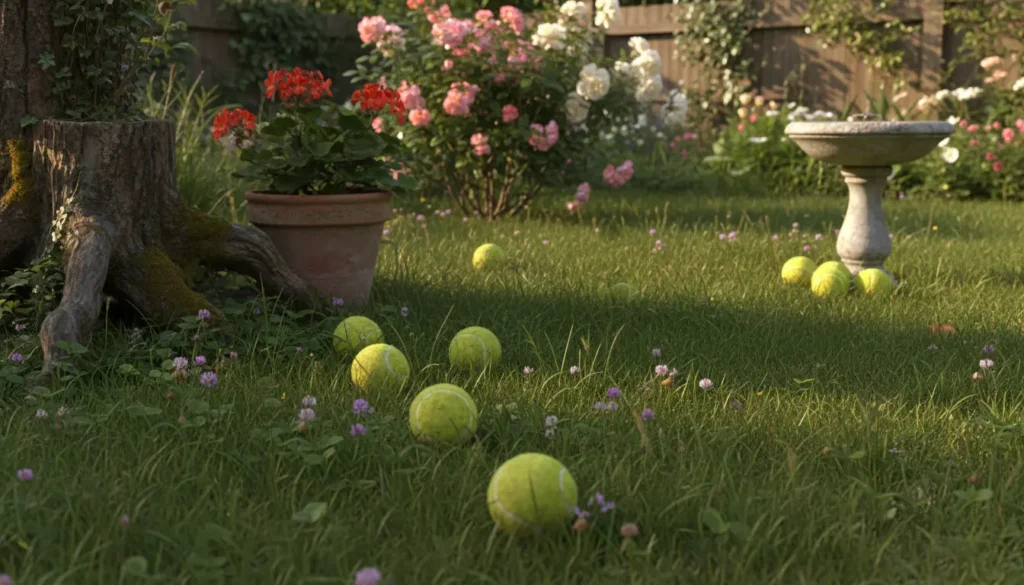
How tennis balls in your garden help birds and hedgehogs this winter
Small changes around the garden can make a big difference for wildlife in cold months. Tennis balls offer a cheap, reusable option to reduce hazards and improve shelter for birds and hedgehogs.
This guide explains why tennis balls work, how to use them safely, and simple actions you can take today to protect local wildlife.
Why tennis balls work for wildlife

Tennis balls are durable, insulating, and inexpensive. They can be used to block dangerous gaps, protect soft nests from drafts, and cushion hedgehog pathways.
Because they are easy to move and clean, tennis balls are a practical tool for many garden setups, from small balconies to large yards.
Practical uses of tennis balls in the garden
Below are straightforward ways tennis balls can help birds and hedgehogs. Each use is low effort and suitable for most gardens.
- Block narrow gaps under sheds or decking to prevent hedgehogs getting trapped.
- Pad the entrance to nest boxes or roosting sites to reduce draughts for small birds.
- Mark or raise low garden netting so birds do not collide with it at night.
- Create temporary barriers around compost heaps to slow access to harmful materials.
- Place near hedgehog routes to deter garden machinery accidents, like strimmers or mowers.
Materials and steps for safe use of tennis balls

Not all uses are safe by default. Follow these steps to make sure tennis balls help and do not harm wildlife.
- Clean used tennis balls with mild soapy water and rinse well. This removes chemicals and dirt that could harm animals.
- Cut or modify balls only when needed. For example, cutting a ball in half creates a shallow bowl that can act as a protective nesting cup.
- Secure loose balls so they cannot be swallowed or trap small feet. Tie or wedge them into place when used as blockers.
- Regularly inspect placements to make sure they remain safe and effective through the season.
Design ideas: using tennis balls for birds and hedgehogs
Here are practical designs you can create in minutes with common materials.
- Gap stopper: wedge a whole ball into a small opening under a shed. The ball compresses and fills the gap without sharp edges.
- Nest cup: slice a ball in half and line the hollow with dried grass. Use this inside a larger nest box to provide insulation.
- Collision marker: thread several balls on a cord and hang them along thin netting to make the net visible to flying birds at dawn and dusk.
Safety checks
Always avoid small loose pieces that wildlife could swallow. Do not use balls treated with strong dyes or chemicals without washing them first.

If you are unsure whether a placement might trap an animal, choose a different position or consult local wildlife advice groups for guidance.
Practical tips for bird feeding and hedgehog protection
A combined approach helps both groups of animals. Place food and shelter where it is safe from predators and garden machinery.
- Keep feeding stations off the ground for birds, but leave ground-level food for hedgehogs in a shallow, sheltered dish.
- Before using machinery, check the area for hedgehogs and move any tennis ball setups that could be disturbed.
- Provide a tidy log pile or bramble patch as a natural shelter alongside any tennis ball solutions.
When to avoid using tennis balls
If your garden has small vulnerable species that might chew or swallow material, avoid leaving small detached pieces. Also avoid using balls with visible mold or strong chemical smell.
When in doubt, consult a local wildlife rescue organization for species-specific advice.
Small real world example
A community garden in northern England used tennis balls to block gaps under an old shed after volunteers noticed a hedgehog had been visiting in late autumn. Volunteers wedged whole balls into the gaps and added a half-ball nest cup inside a sheltered box.
Across that winter the group recorded regular hedgehog visits and no entrapments. The tennis ball solution was cheap, quick to install, and easy to maintain.
Summary and quick checklist
Tennis balls are a low-cost, adaptable tool to reduce hazards and improve winter shelter for birds and hedgehogs. They are not a cure all, but they can be part of a wider wildlife friendly approach.
- Clean balls before use and inspect them regularly.
- Use whole balls for blocking gaps and cut halves for nest support only when necessary.
- Combine with natural shelters and safe feeding routines.
- Check placements after storms and before using garden machinery.
With simple care and common sense, a few tennis balls can make your garden a safer place for wildlife this winter.



