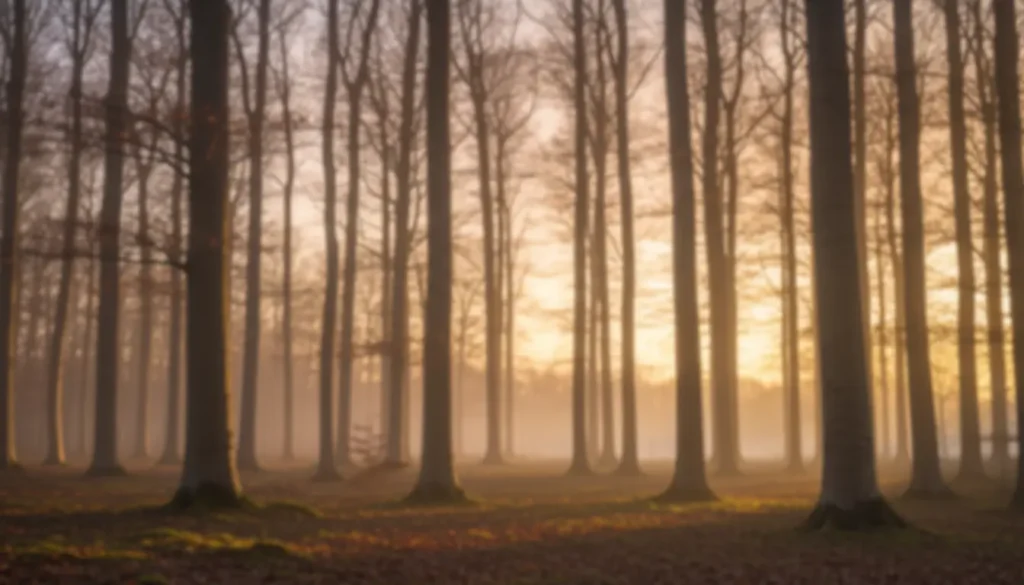
Plants do more than passively sit in light. They measure subtle changes in light quality and day length and use those signals to change growth, conserve resources, and prepare for seasonal shifts.
This Quiet Environmental Cue Tells Plants When to Slow Down: Light and Day Length
One of the most important but least obvious cues plants use is the change in the light spectrum at dusk and the increasing length of night. This change is quiet because it is about light quality, not brightness.
Plants monitor the proportion of red to far‑red light and the length of uninterrupted night. Those signals are interpreted by light receptors and translated into internal biochemical changes that slow growth and shift metabolism.
How phytochromes detect the cue
Phytochromes are proteins that act as light switches inside plants. They exist in two forms: active (Pfr) and inactive (Pr). Red light converts Pr to Pfr, while far‑red light and darkness convert Pfr back to Pr.
At sunset and under dense canopy, the proportion of far‑red light increases. That drop in active phytochrome tells the plant that days are shortening or that it is shaded. The plant responds by lowering cell expansion, adjusting hormone levels, and reallocating energy from growth to storage or stress protection.
Other photoreceptors and the circadian clock
Phytochromes work alongside cryptochromes and the circadian clock. Cryptochromes detect blue light and help time daily rhythms. Together, these systems measure night length accurately and control seasonal responses like dormancy and flowering.
The combined reading of spectral quality and night duration is what lets a plant know when to slow down for the season.
Plant responses to the cue
When plants sense the cue to slow down, they trigger several predictable responses. These are aimed at conserving resources and surviving adverse conditions.
- Reduced stem and leaf growth — slowed cell division and expansion.
- Lowered production of growth‑promoting hormones (gibberellins).
- Increased storage of carbohydrates and production of protective compounds.
- Timing of developmental shifts — flowering or entering dormancy.
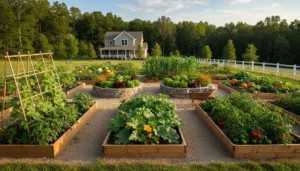
These responses are adaptive. Slowing growth before winter or prolonged shade helps plants avoid wasting energy on tissues that would be vulnerable to cold or light stress.
Practical implications for gardeners and growers
Understanding this quiet cue helps you manage crops and garden plants more effectively. You can influence growth timing by changing light exposure and spectral quality.
Practical actions include modifying day length with supplemental lighting, reducing shade, or intentionally exposing plants to longer nights when you want them to prepare for dormancy.
Useful tips
- Use full‑spectrum or red‑dominant LED supplements to extend effective day length in greenhouses.
- Avoid evening exposure to far‑red heavy light if you want to maintain active growth.
- Prune canopy layers that create excess far‑red enrichment to prevent premature slowdown in lower crops.
- For short‑day crops, ensure sufficiently long, uninterrupted nights to trigger flowering or dormancy.
Real‑world example: greenhouse tomato growers
Tomato growers in northern climates commonly face slow growth in late autumn. The quiet change in light quality and shorter days reduces active phytochrome and slows stem elongation and fruit set.
Many commercial growers use supplementary red and blue LED lighting to extend the perceived day length and maintain active growth. This approach keeps gibberellin levels higher and delays resource reallocation to storage.
The result is more consistent fruit production late into the season without raising daytime temperatures significantly. This demonstrates a practical application of manipulating the cue plants use to decide when to slow down.
Case study: a small orchard
An apple grower noticed trees entering dormancy early after a particularly cloudy autumn. Leaves yellowed and growth stopped sooner than expected. By selectively pruning overstory trees and removing some shading, the orchard manager increased red:far‑red ratios at lower canopy levels.
Within the next season, lower branches showed improved late‑season growth and the orchard had fewer early leaf drops. The grower used a combination of structural pruning and targeted light management to modify the plant’s perception of day length and light quality.
Some houseplants use the same light quality signals to time leaf drop and flowering. A plant may not be “lazy” — it may be responding to a subtle change in spectral light that you cannot see.
Quick checklist: Manage the cue to control growth
- Assess shading patterns in your garden or greenhouse at dusk.
- Use LED supplements to extend day length when needed.
- Prune to reduce excessive far‑red enrichment from overhead canopy.
- Keep nights truly dark for crops that require a short‑day trigger.
- Monitor plant vigor and adjust light interventions gradually.
Recognizing that a quiet change in light quality tells plants when to slow down gives you a practical lever for managing growth cycles. By adjusting spectral quality and night length, you can influence flowering, dormancy, and overall plant productivity without relying solely on temperature or fertilizer changes.
Use the simple observations and steps above to test changes in your own garden or growing setup. Small shifts in light exposure often yield measurable changes in plant behavior.