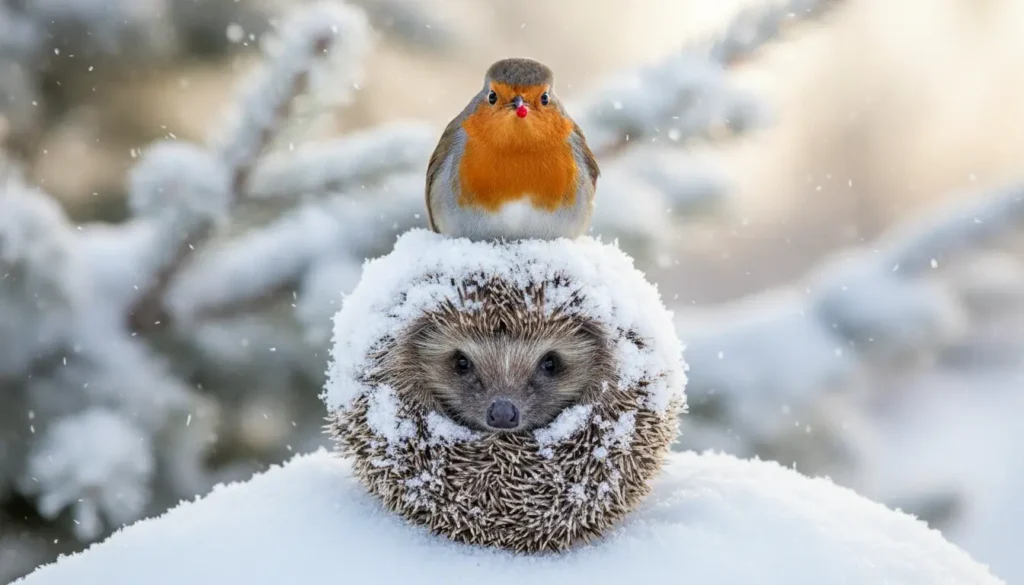
Why tennis balls help birds and hedgehogs during freezes
Tennis balls are common, inexpensive, and weather resistant. With simple modification and careful placement they can add insulation, shelter structure, and soft padding inside wildlife boxes and temporary shelters.
This article explains practical ways to use tennis balls safely for birds and hedgehogs when temperatures drop. Follow the steps below and check local wildlife guidance before trying anything new.
How tennis balls provide warmth and protection

Used thoughtfully, tennis balls can help in three main ways:
- Insulation: The hollow or air-trapping core and outer felt can create small pockets of warmer air when placed inside a box with dry bedding.
- Structure and padding: Balls help maintain a cavity shape in a nest or shelter, reducing draughts and giving animals a snug place to curl up.
- Low-cost reuse: Clean, used tennis balls are widely available for community wildlife projects or emergency shelters.
Safety first: what to avoid when using tennis balls for wildlife
Not every tennis ball or placement is safe. Take a cautious, animal-centered approach and avoid potential hazards.
- Don’t leave loose small pieces where animals can choke or ingest them.
- Avoid balls treated with chemical cleaners or strong scents that could irritate wildlife.
- Do not rely on balls as the only insulation; combine them with dry straw, leaves, or proper bedding.
Materials to use and materials to avoid
Use clean, dry tennis balls with intact outer felt. Replace any that show heavy wear, mold, or loose stuffing.
Avoid foam balls, heavily painted balls, or ones that shed synthetic fibers easily. These can trap moisture or be swallowed.
Step-by-step: Preparing tennis balls for a hedgehog shelter
Hedgehogs need a dry, insulated space to conserve heat. Tennis balls can help maintain cavity shape and add padding.
- Clean the balls with mild soap and rinse thoroughly; air dry completely to prevent mold.
- Cut some balls in half to form a small bowl shape. Leave others whole to act as spacers that keep insulation lofted.
- Place a layer of dry straw or shredded paper inside the shelter. Add halved balls on top to create a shallow, curved space for the hedgehog to nest against.
- Ensure there is a clear entrance, some ventilation, and that the shelter is raised from ground moisture.
- Check the shelter regularly for dampness, pests, or signs of chewing and replace balls if needed.
Step-by-step: Using tennis balls around bird feeders and roosts
For birds, tennis balls can be used to create small sheltered perches or to help hold nesting materials in place during wet weather.
- Attach a whole ball behind a nesting tray to give a concave back for small birds to press against.
- Use halved balls as a shallow nest cup inside an enclosed roost box, combined with natural lining materials.
- Keep placement stable and sheltered from rain. Do not use balls in open bird baths or water sources where they might block drainage.
Practical tips for winter care with tennis balls
- Always combine tennis balls with natural, dry bedding like straw or shredded paper.
- Place shelters in sheltered locations away from prevailing winds and standing water.
- Monitor boxes daily in extreme weather to ensure animals are safe and bedding remains dry.
- If in doubt, contact a local wildlife rehabilitator for guidance before introducing novel materials.

Many small mammals and birds seek out sheltered cavities to conserve heat. Even a small reduction in draughts and moisture can make a big difference during cold snaps.
Real-world example: volunteers helping wildlife during a cold snap
In a small neighborhood initiative, volunteers prepared simple wooden boxes lined with straw and a few cleaned, halved tennis balls. The boxes were placed under hedges and beneath porches where hedgehogs and small birds had been seen before winter.
Over several nights of below-freezing temperatures, volunteers observed animals using the shelters. Regular checks showed the bedding remained dry and the animals appeared to benefit from the snug spaces. The project used basic hygiene practices and removed balls that became damp or damaged.
Monitoring and maintenance checklist
Follow this short checklist to keep tennis-ball-enhanced shelters safe over the cold months:
- Weekly inspection for dampness or mold.
- Replace any broken or heavily chewed balls immediately.
- Top up dry bedding as needed to maintain insulation.
- Avoid direct heat sources—shelters should be passive and safe.
When to seek expert help
If you find a hedgehog that appears injured, extremely thin, or out during daylight in severe weather, contact a licensed wildlife rehabilitator or local rescue. For sick or distressed birds, reach out to a bird rescue organisation for advice.
Using tennis balls can help in emergency shelter situations, but they are not a substitute for professional care when an animal is unwell.
These simple, low-cost measures can make a real difference during sudden freezes. With sensible preparation and regular checks, tennis balls can be a useful part of community efforts to keep small wildlife warm and safe.