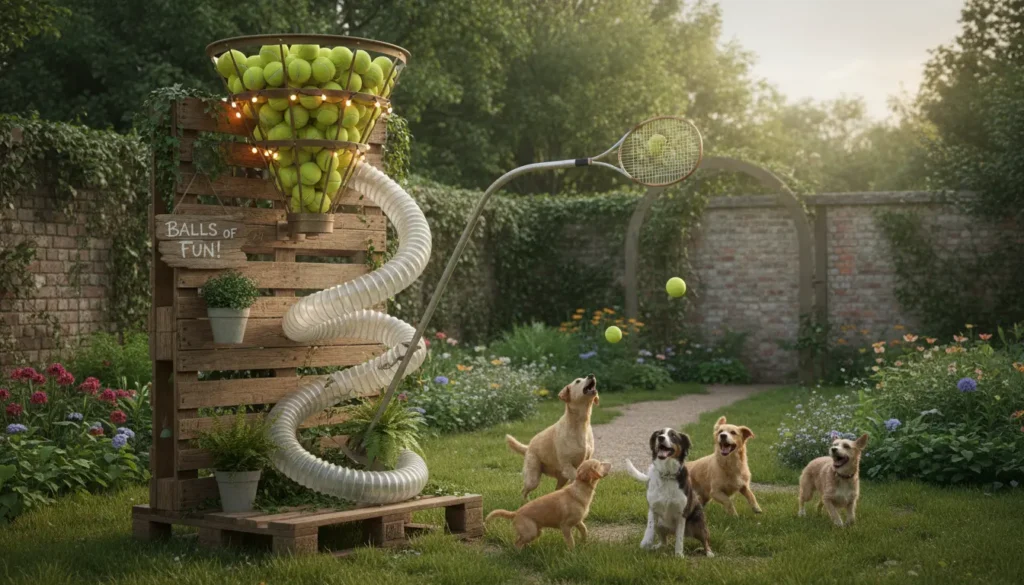
Cold snaps create dangerous ice patches in gardens and near feeding areas. A low-cost, low-effort solution uses old tennis balls to reduce ice buildup and give wildlife safer footing.
The Brilliant Tennis Ball Method to Keep Birds and Hedgehogs Safe From Ice
This method places tennis balls or pieces of them on frozen surfaces or near feeders and shelters. The balls absorb sun and trap air underfoot, breaking ice and providing better grip for small animals.
Why the tennis ball method helps birds and hedgehogs

Tennis balls are soft, insulated, and slightly abrasive. They warm slightly in sunlight and create a textured surface that reduces slipping.
For hedgehogs, which may travel across lawns and garden paths at night, avoiding thin ice or glazed puddles can prevent injuries or drowning. Birds benefit at ground feeders and shallow water sources where ice forms quickly.
Materials you will need
- Old or worn tennis balls (clean, without exposed rubber bits)
- A strong knife or garden shears (if cutting balls)
- Protective gloves
- Optional: string and stakes for anchoring
Use used balls from sports clubs or friends. Avoid balls with chemical residue or oil. Clean them before use with mild soap and water.
Step-by-step: Setting up the tennis ball safety spots
- Identify risk spots: shallow ponds, bird baths, low puddles, and smooth paving near feeders or hedgehog routes.
- Place whole tennis balls on top of ice-prone surfaces during the day. The round shape concentrates pressure and breaks thin ice as temperatures vary.
- For edges or narrow spots, slice the ball in half to create a curved pad that sits flat. Place the cut side down for stability.
- Secure balls near feeders with a short length of string tied to a stake so they do not roll away into deeper water.
- Check and replace balls daily during frost spells. Remove them once surfaces are consistently free of ice.
Safety and wildlife considerations
Keep the balls large enough so small animals cannot swallow any part. Never use smaller rubber pieces that could be ingested by birds or hedgehogs.
Avoid chemical-treated balls. If you must cut balls, wear gloves and dispose of scraps responsibly. Do not place balls in flowing water where they might be carried away.
Best places to use the tennis ball method
- Bird baths and shallow water dishes
- Feeding stations on hard surfaces
- Garden paths hedgehogs commonly use
- Near compost lids or containers that collect rain
Position balls where animals naturally go so they learn to walk around or on the textured spots instead of on dangerous ice.
Did You Know?
Common questions and troubleshooting
Q: Will the balls melt the ice? A: Not directly. The benefit comes from breaking thin ice and providing a rough, warm surface that discourages animals from stepping on glazed areas.
Q: What if balls blow away? A: Anchor them with short strings tied to garden stakes or tuck halves against a stone or pot base.
Small real-world example
In a suburban garden in Suffolk, a volunteer bird feeder coordinator noticed robins and blackbirds slipping on a concrete pad beneath a feeder during a week of frost. They placed four old tennis balls around the feeder base and halved one to fit the edge. Within two days the birds used the textured spots and the number of slips dropped noticeably. A local hedgehog was later seen using the cleared edge to reach a shallow feeding dish, avoiding a thin ice patch nearby.
Practical tips for winter maintenance
- Check balls each morning during frost spells and reposition if necessary.
- Keep a small kit (balls, knife, string, stakes) near your shed for quick action after freezing nights.
- Combine the method with shallow, fresh water offerings in a heated or insulated dish for birds.
The tennis ball method is not a replacement for proper winter care, but it is a quick, recyclable, and effective tool to reduce risk for small wildlife. With minimal effort you can make your garden a safer place for birds and hedgehogs when ice threatens.