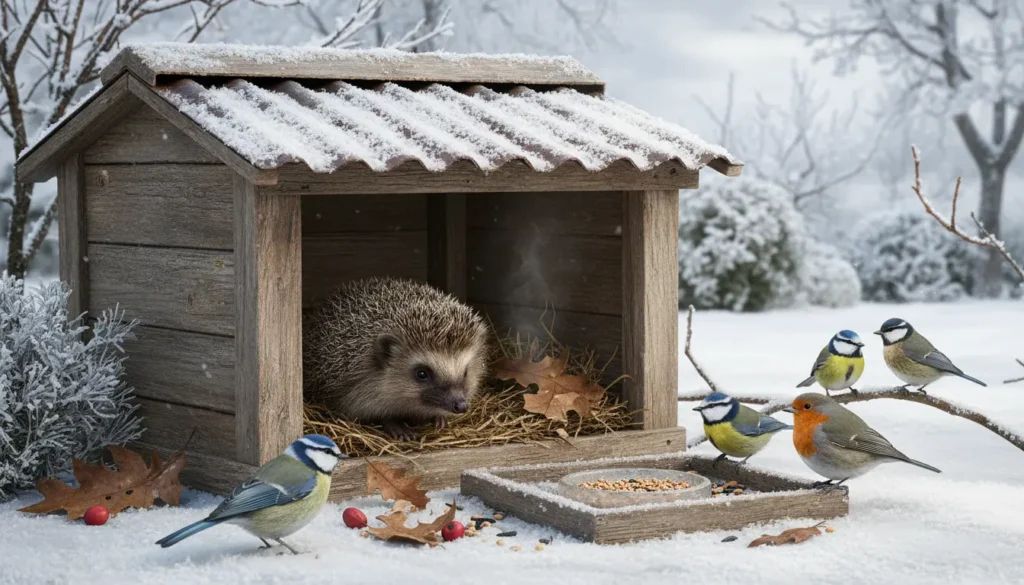
Why the tennis ball winter rescue matters for hedgehogs and garden birds
Cold weather reduces food availability and increases exposure risks for small garden wildlife. Hedgehogs need safe, dry places to hibernate, and many small birds need sheltered roosts to save energy overnight.
A simple community-driven idea uses old tennis balls as a low-cost component in temporary shelters and nest-box modifications. When used correctly, tennis balls can help trap air, add lightweight insulation, and block draughts around entrances.
What is the tennis ball winter rescue?

The tennis ball winter rescue is a practical approach that repurposes clean, dry tennis balls to improve small wildlife shelters during winter. It is not a single product but a set of simple DIY techniques volunteers and gardeners use to make existing boxes and hides warmer and safer.
The method focuses on reuse, safety, and maintenance rather than replacing recommended bedding materials. Always combine tennis balls with suitable dry bedding and good ventilation.
When to use this method
- If you have a garden hedgehog box or bird roost box that lacks airflow control.
- When frost or prolonged wet weather is expected and you need to boost shelter insulation temporarily.
- As a short-term, reversible measure while preparing better insulation solutions.
Materials and safety first for hedgehogs and garden birds
Using any non-breathable material around nesting or sleeping animals requires caution. Tennis balls should be clean, dry, and used in moderation.
Gather the following materials before you start:
- Clean, dry tennis balls (remove any moldy or heavily worn items).
- A wooden or plastic hedgehog box / bird roost box with a secure lid.
- Dry natural bedding: straw, untreated wood wool, or dry leaves.
- Basic tools: scissors or a craft knife (for minimal modification if needed).
Safety tips
- Do not use tennis balls as the primary bedding for hibernation; they are not a substitute for dry natural materials.
- Keep balls dry and replace them if they become wet or moldy.
- Avoid sealed boxes: ensure there is ventilation and a defined entrance for animals to leave freely.
- Check local wildlife advice and contact a rescue group if you are unsure about modifications.
Step-by-step: Make a tennis ball–lined hedgehog shelter
This method adds lightweight insulation beneath bedding to reduce cold conduction from the ground.
- Clean and dry the tennis balls thoroughly. Discard any with mold or a strong odor.
- Place two to four whole tennis balls in a single layer at the base of the box. They act as a raised platform to reduce direct contact with the cold ground.
- Cover the balls with a breathable layer, such as a thin piece of egg crate foam or untreated cardboard, to stop balls from rolling.
- Add 6–10 cm (2–4 inches) of dry natural bedding on top. Straw or untreated wood wool are suitable choices.
- Position the shelter in a quiet, sheltered part of the garden, with the entrance facing away from prevailing wind and rain.
Check the box every 2–4 weeks during mild weather and more often during heavy rain. Replace bedding and dry the tennis balls as needed.
Tennis ball tips for garden birds

Small songbirds sometimes use roost boxes or dense shrub cover to spend cold nights. Tennis balls can help reduce draughts around poorly fitted box openings and support temporary roosting platforms.
- Use small pieces of tennis ball material (cut carefully) as draft-stoppers around the outside frame, not inside the roosting area.
- Do not introduce balls into nesting cups; birds prefer natural materials for nests.
- Ensure the entrance hole remains the correct size for the target species to reduce predator access.
Quick checklist for winter readiness
- Clean and dry tennis balls before use.
- Pair balls with natural, dry bedding—do not rely on balls alone.
- Keep shelters ventilated and regularly inspected.
- Place shelters away from heavy disturbance and standing water.
Real-world example: A small community winter project
A local volunteer group repurposed donated tennis balls to improve several hedgehog boxes and roosting sites in a suburban green space. Volunteers cleaned balls and used them as a base layer under natural bedding in ten hedgehog boxes.
After the project, volunteers reported more frequent box checks and fewer signs of dampness at the base of boxes. The group emphasized that the balls were a temporary measure while better insulation was installed the following spring.
The project highlights two practical points: reuse can help in a pinch, and regular maintenance is essential for animal safety.
When to ask for expert help
If you find a hedgehog that looks injured, unusually thin, or awake and active in very cold weather, contact a local wildlife rescue or vet. For birds, reach out to bird rescue groups if you find injured or grounded birds.
Always seek professional advice before making major modifications to permanent nesting or hibernation structures.
Summary: Practical, low-cost help for winter wildlife
The tennis ball winter rescue is a pragmatic, low-cost approach that reuses materials to improve temporary shelter conditions for hedgehogs and garden birds. When used carefully with dry natural bedding and regular checks, tennis balls can add insulation and reduce cold contact.
Remember: this is an aid, not a replacement for proper wildlife care. Keep shelters dry, ventilated, and inspected, and consult local wildlife experts if you are unsure.