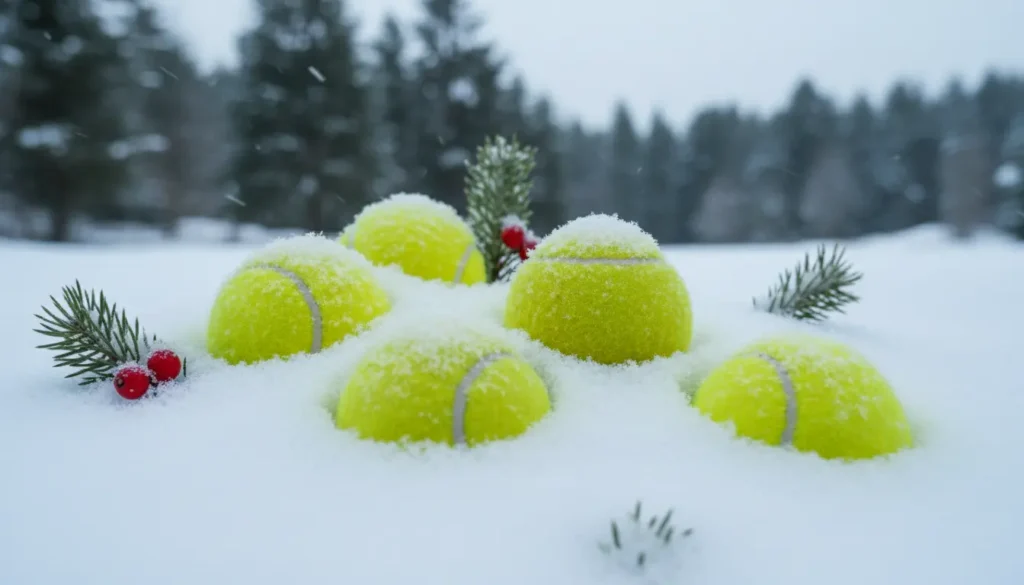
Small steps to stop winter wildlife suffering
Cold weather makes basic needs harder for birds and small mammals. Water freezes and shelter options shrink. You can reduce that stress with simple, safe actions in your garden.
This guide explains a low-cost trick using tennis balls and explains where and how to apply it without harming wildlife.
How tennis balls help stop winter wildlife suffering

Tennis balls are buoyant, easy to clean, and cheap. Placed thoughtfully, they create perches and reduce exposed water surface area in bird baths and small troughs.
That means birds have a place to land and drink when edges are icy. In partly frozen water, floating balls can delay complete freezing in small baths by breaking up surface tension and concentrating movement.
Where to use tennis balls in your garden
Use tennis balls only in outdoor water sources and safe shelter areas. Do not place loose balls where they can be swallowed by animals.
- Bird baths: float one or more tennis balls so small birds can perch above icy edges.
- Large water troughs: add several balls to reduce open-surface exposure and slow freezing.
- Under hedges or sheltered corners: use cut and cleaned balls as temporary padding in volunteer-built nest boxes or hedgehog shelters (see safety notes).
How to prepare and place tennis balls

Use clean, unused or well-washed balls. Dirt and oils can carry bacteria or chemicals. Clean with hot water and mild soap, then rinse thoroughly.
- Inspect each ball for sharp edges, tears, or exposed felt that could be ingested.
- Float one or two balls in the bird bath. Observe how birds use them and adjust quantity.
- Secure balls in troughs using a removable mesh or net if in windy locations, so they don’t drift away.
Practical tips to maximize impact
Small actions together produce measurable benefits. Combine tennis balls with other winter wildlife care tasks for best results.
- Keep water unfrozen: check baths daily during very cold spells and top up when needed.
- Place baths near shelter: within 2–3 meters of shrubs or hedges so birds can escape predators quickly.
- Provide rough perches: driftwood or small stones around the bath edge work alongside tennis balls.
Safety and hygiene
Do not leave dirty or deteriorating balls outside. Replace balls that lose shape or shed material. Avoid painted or chemically treated balls.

Never use balls that have been used with human or pet sports without thorough cleaning. If in doubt, buy inexpensive new balls to avoid contamination risks.
Many small songbirds must drink daily, even in winter. Shallow water and floating perches help species like finches and titmice reach water when edges are frozen.
Simple examples and common setups
Below are quick setups that take less than 10 minutes and cost very little.
- Small ceramic bird bath: float 1 tennis ball; replace daily if icy.
- Plastic garden tub: add 3–4 tennis balls and a piece of pond pump pipe to keep water slightly moving.
- Raised trough: secure balls with a light net to prevent loss in wind.
Real-world example: A neighborhood garden case study
A suburban gardener reported fewer cold-weather bird visits until they added floating objects. After placing two clean tennis balls in a shallow bath and topping up daily during a cold week, they observed increased visits from chickadees and sparrows.
The birds used the balls as perches and were seen drinking during midmorning when the surrounding edge was still partly frozen. The gardener kept the balls clean and replaced them after two months.
When tennis balls are not right
Do not use tennis balls inside enclosed nest boxes or close quarters where animals might chew and ingest felt. In such cases use approved nesting materials like straw or commercial nesting fibres.
Also avoid colored or treated balls that might leach substances. If you see anyone attempting to plug holes in fences or drains with balls, advise safer alternatives that do not block drainage.
Combine with other winter wildlife care
Tennis balls are one simple tool. For broader support, provide food suited to local species, leave safe shelter areas, and keep pets supervised near wildlife zones.
Check local wildlife charity guidance for best practices in your region. Small, consistent actions from many households create meaningful winter relief for garden wildlife.
Quick checklist
- Buy or select clean, undamaged tennis balls.
- Float balls in bird baths or place in troughs where appropriate.
- Secure balls in windy spots and replace when worn.
- Combine with fresh water, shelter, and safe food sources.
Using tennis balls in the ways described is a low-cost, low-effort step you can take today. It won’t solve all winter hardships, but it gives birds and small mammals a better chance on cold days.



