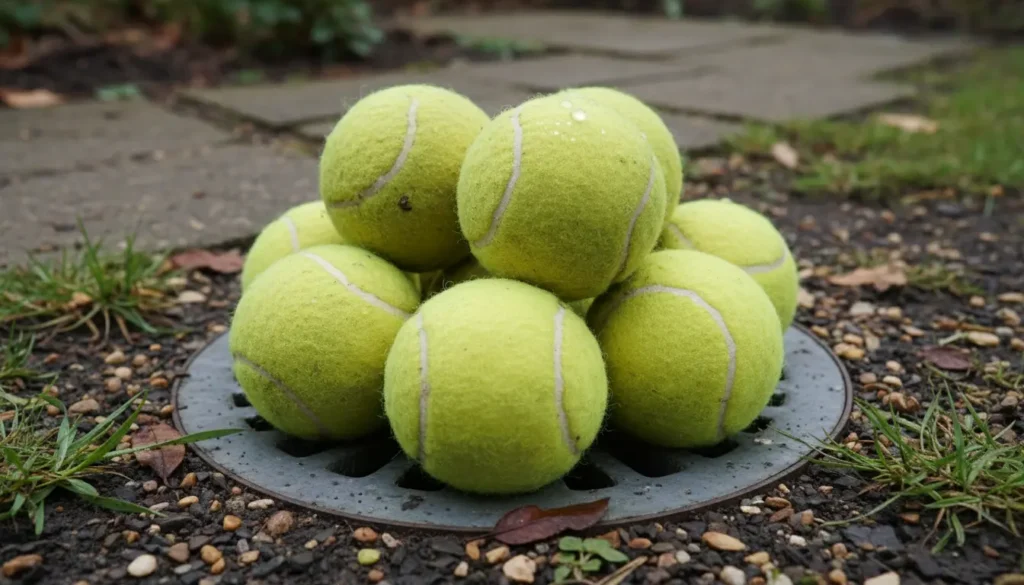
Gardeners looking for low-cost, low-effort ways to protect birds and small wildlife are turning to a simple tennis ball hack. This method reduces accidental harm from garden tools and discourages predators without chemicals or complex builds.
What is the tennis ball hack for wildlife protection?
The tennis ball hack uses old or spare tennis balls placed in specific locations to cushion or block dangerous spots in a yard. It is a physical, passive solution to protect animals like fledgling birds, toads, hedgehogs, and small mammals from common garden hazards.

This approach is practical and reversible. It relies on visibility and soft impact absorption instead of deterrents that could harm animals or change their behavior permanently.
Why gardeners use the tennis ball hack
Gardeners choose this hack because it is inexpensive, easy to install, and safe for wildlife. The bright color of tennis balls increases visibility, which helps humans and animals spot hazards.
Benefits include:
- Reduced injuries from mowers and trimmers
- Lower risk of babies falling into gaps and drains
- Non-toxic, reusable materials
- Fast setup and easy maintenance
Common garden hazards the hack addresses
- Open drainage holes and grates
- Gaps under garden gates and fences
- Exposed irrigation fittings and valve boxes
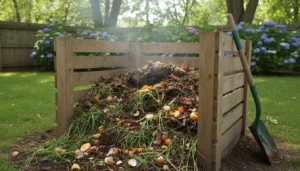
- Areas around compost lids and low planters where animals can get trapped
How the tennis ball hack helps wildlife protection
Placed correctly, tennis balls provide cushioning that prevents small animals from being crushed by foot or tool. They also block small entry points that might act as traps for young animals.
The bright color acts as a visual cue to people working in the garden, reducing accidental contact with hidden animals. Unlike chemical repellents, tennis balls do not harm wildlife or the environment.
Materials and tools for the tennis ball hack
Gather simple items you likely already have:
- Old or spare tennis balls (cleaned)
- Sharp knife or box cutter
- Garden twine or zip ties
- Small stakes or nails (optional)
- Gloves and eye protection when cutting balls
Step-by-step: How to make and install the tennis ball protector

Follow these steps to create effective tennis ball protectors for common garden problems.
- Inspect the garden at dawn or dusk when wildlife is most active to identify hazard spots.
- Clean tennis balls if dirty. Cut a small slit to expand the opening if you need to attach them to posts or pipe ends.
- For drainage holes, push a whole ball into the hole so it sits flush and prevents animals from falling in. Replace daily or after heavy rain.
- When protecting gate gaps, cut a slit and slide a ball onto the bottom rail or tie it with twine to hang as a barrier.
- Around irrigation fittings, place trimmed balls over sharp edges to cushion access points.
Check installations weekly and after storms to ensure balls are secure and not creating new hazards.
Placement tips for best results
- Use bright-colored balls where visibility is most needed.
- Don’t block airflow in grates—use balls only where safe and removable.
- Secure balls in high-traffic areas so they won’t become litter or choke hazards for larger animals.
Many wildlife rescues report that simple physical barriers prevent a large proportion of garden injuries in spring and summer. Soft, visible covers like tennis balls help both animals and people avoid accidental harm.
Troubleshooting and safety notes
A few cautions make the hack safer and more effective. Do not leave loose balls where pets or larger wildlife might chew and ingest pieces. Regularly inspect for wear and remove any damaged balls.
If you are cutting tennis balls, wear gloves and eye protection. Cut away from your body and dispose of scraps responsibly to avoid littering the garden.
Real-world example: A small urban garden case study
In a small urban garden in Bristol, a homeowner noticed fledgling birds frequently falling into a narrow garden drain. The owner placed several cleaned tennis balls in the drain openings and secured one ball to the underside of the gate rail with twine.
Over six weeks, local wildlife volunteers reported fewer rescue calls for trapped fledglings. The tennis ball covers were easy to remove for cleaning and did not interfere with drainage after being slightly trimmed to fit. The homeowner called it a low-cost, effective addition to spring garden care.
When to use other methods
The tennis ball hack is not a universal solution. For large predators, aggressive animals, or extensive structural issues, consider sturdy wildlife-safe fencing, professional wildlife-proofing, or local wildlife authority guidance.
Use the tennis ball hack as a complementary measure for small, preventable hazards rather than the sole line of defense for serious risks.
Final checklist for gardeners
- Survey your garden seasonally for new hazards
- Use clean, intact tennis balls and secure them where needed
- Monitor installations and adjust placement after storms
- Combine with habitat-friendly practices like leaving log piles and native plants
The tennis ball hack is a simple, flexible tool that helps gardeners protect wildlife without much cost or effort. With careful placement and regular checks, it can reduce injuries and help keep your garden safe for the smallest visitors.