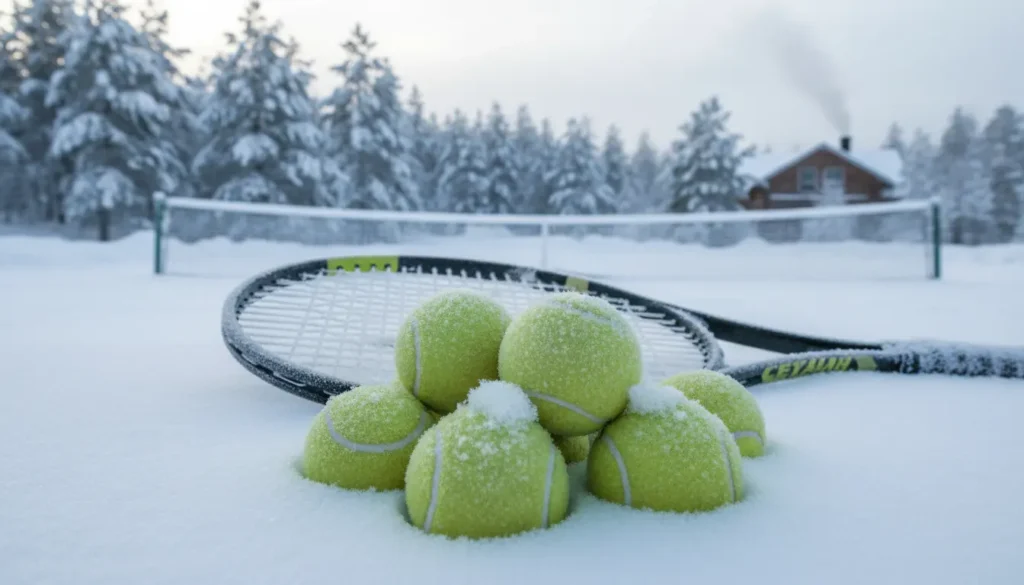
Old tennis balls are lightweight, weather-resistant and often free. This winter, that combination makes them a surprisingly useful item for small-scale, low-cost garden protection and maintenance.
The ideas below are practical, reusable and require only a few basic tools. Use them to protect plants, mark rows, improve safety around the plot and reduce waste.
How your garden benefits from tennis balls this winter
Tennis balls are made of rubber and felt, so they resist moisture and offer a little insulation. That makes them handy for short-term frost protection, for cushioning, and for marking plants and supports.
They are small, easy to cut or mount, and replace single-use plastic or expensive commercial products for many garden tasks.
Key practical uses of tennis balls this winter
- Mini cloches: cut in half and use as tiny domes to protect seedlings in the coldest weeks.
- Stake caps: push over metal or wooden stakes to cushion and prevent injuries from sharp tops.
- Labels and markers: slice and write on with a permanent marker to identify rows or varieties.
- Weight and fabric anchors: use whole balls to hold down frost cloth or netting at the edges.
- Cushioning for tools and furniture: slip onto chair or table legs to protect decking and reduce noise.
How to make a tennis ball cloche
This is one of the simplest and most effective uses for old balls. A cloche is a small protective dome you place over a seedling or small pot during cold nights.
Materials: clean tennis balls, a sharp knife or box cutter, gloves and a marker if you want to label the cloche.
- Wash the tennis ball to remove dirt and chemicals.
- Mark a line around the middle, then cut the ball in half with a sharp knife. Work slowly and cut on a stable surface.
- Place the hollow half gently over the seedling at dusk when frost is expected. Remove it by mid-morning to avoid overheating on sunny days.
Tips: Use the felt side outward so the cloche is less reflective and holds a little more warmth. Reserve this method for the final hardening stages of seedlings—not for long-term coverage.
Using tennis balls as stake caps and safety buffers
Garden stakes, rebar and fencing posts can cause cuts and damage if left uncovered. Tennis balls make quick, visible, and soft caps that improve safety for people and wildlife.
To use: cut a small X in the ball and push it onto the stake top. The rubber stretches to form a snug cap. This protects clothing and skin during accidental contact and prevents rusted metal from snagging garden fabric.
Other simple tennis ball hacks for winter gardening
- Row markers: slit a ball and slide onto a short twig to create a bright marker at the edge of beds.
- Net tensioners: tie a ball between net corners to stop netting from catching in the wind.
- Bird deterrent (limited): hanging a few bright balls from a line may discourage some birds from settled perches—results vary.
Case study: community plot saves money with donated tennis balls
A 10-plot community garden collected 60 used tennis balls through a local social media request. The group used 40 balls as stake caps and 20 halves as cloches for brassicas and young herbs during cold snaps.
Result: they avoided purchasing commercial plastic caps and cloches, estimated savings around $75–$120 for that winter. The repurposed balls also reduced small debris in the compost area and improved safety near the children’s play corner.
When not to use tennis balls this winter
Tennis balls are not a substitute for serious frost protection or permanent tree guards. They offer limited insulation and are best for micro-protection or as temporary measures.
Avoid using them as long-term covers on warm sunny days, which can trap heat and stress plants. Also, do not leave cut balls in beds if they fragment; remove them before adding soil to compost.
Environmental and safety notes
Tennis balls are not biodegradable. Reuse and recycle where possible to keep them out of landfill. Store used balls in a dry place and inspect for mold or chemical residues before cutting and placing on soil.
Millions of tennis balls are retired each year. Reusing them in the garden gives them a second life and reduces waste while saving money on small garden accessories.
Quick checklist for using tennis balls in your winter garden
- Collect clean, intact balls—ask local clubs or neighbors.
- Sanitise by washing before cutting or placing near young plants.
- Use halves as temporary cloches and remove during the day.
- Fit caps on stakes and tools to improve safety and visibility.
- Inspect regularly and replace if they break down or become moldy.
Reusing tennis balls is an accessible, low-cost way to address small winter garden problems. They won’t replace professional-grade frost covers or tree guards, but for spot protection, cushioning and simple markers they work well.
Try a few ideas this season. You may find tennis balls are one of the easiest, most practical items to keep in your shed for winter garden tasks.