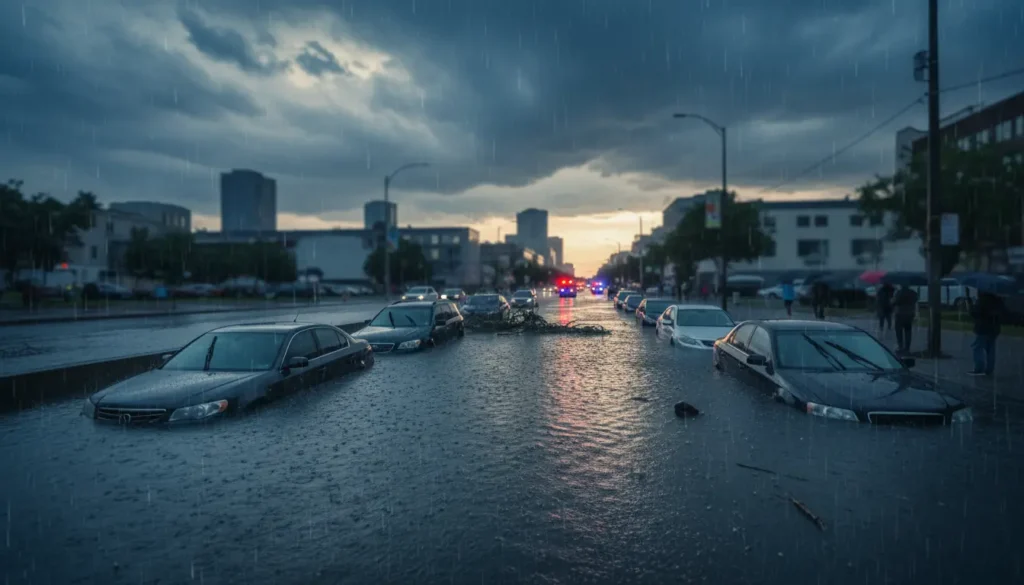
What to expect when heavy rain chaos is set to strike at dawn
When forecasts predict heavy rain at dawn, conditions can change quickly. Roads can become slick, visibility drops, and low-lying areas can flood within hours.
This article explains clear, practical steps to follow before, during, and after the event so you can make safer choices and protect property.
Why flood warnings must not be ignored

Flood warnings are based on real-time river levels, rainfall totals, and ground saturation. Ignoring them increases the chance of being caught in fast-moving water or sudden flash floods.
Responding early reduces rescue needs, property loss, and personal risk. Warnings give you time to move to higher ground, secure vehicles, and gather essentials.
Key terms to know
- Flood Watch: Conditions are favorable for flooding. Stay alert.
- Flood Warning: Flooding is occurring or imminent. Take action now.
- Flash Flood Warning: Rapid flooding with little or no notice. Evacuate immediately if in danger.
Before dawn: practical steps to prepare
Act now if heavy rain is forecast overnight or for early morning. Preparing ahead reduces decisions under stress.

Follow this checklist to prepare quickly and effectively.
- Move vehicles to higher ground or an elevated garage.
- Bring outdoor furniture, grills, and tools inside or tie them down.
- Charge phones, power banks, and essential devices; keep flashlights ready.
- Place important documents in sealed plastic bags and put them on a high shelf.
- Fill containers with water for drinking in case of contamination or service interruption.
- Know two evacuation routes from your home in case roads flood.
At dawn: actions to take when heavy rain begins
Monitor official channels for warnings: local news, weather apps, emergency alerts, and social media from authorities. Do not rely solely on road conditions you can see from home.
If a Flood Warning or Flash Flood Warning is issued, move immediately to higher ground and avoid travel unless necessary.
Safe behaviors during heavy rain and flooding
- Do not walk or drive through floodwaters. Six inches of moving water can knock a person down and one foot of water can float many cars.
- If water rises inside your home, turn off electricity at the main breaker if you can do so safely.
- Stay away from downed power lines and report them to local utility companies.
- Keep a battery-powered radio or phone for updates if power and internet fail.
After the storm: safe recovery steps

Wait for official word that flooding has receded before returning to flooded areas. Hidden hazards like contaminated water, unstable ground, and displaced wildlife are common.
Document property damage with photos for insurance. Wear protective gear such as gloves and boots when inspecting belongings.
Cleanup and health considerations
- Discard food that may have been exposed to floodwater.
- Clean and disinfect surfaces that contacted floodwater to prevent infections.
- Watch for mold growth and ventilate areas thoroughly before restoring insulation or drywall.
- Seek medical help for any wounds exposed to floodwater.
Real-world case study: Lessons from Hurricane Harvey
In 2017, Hurricane Harvey dropped record rainfall over parts of Texas, causing widespread flooding. Many individuals who stayed or returned too soon required rescue and suffered preventable losses.
Key lessons from that event: heed evacuation orders, move to higher floors early if evacuation is impossible, and keep emergency supplies accessible.
Practical examples and scenarios
Use these short scenarios to guide decisions during heavy rain at dawn.
- If you live next to a creek: assume water can rise fast. Move essentials to the second floor and plan to leave before dawn if warned.
- If you commute through low-lying routes: choose alternative higher routes or delay travel until conditions clear.
- If power outages are likely: relocate refrigerated medicines to a cooler with ice packs and keep a thermometer to monitor safe temperatures.
Quick emergency kit for sudden floods
Keep a compact kit by the door for fast evacuation. Aim for portability and essentials.
- Water (1 gallon per person per day for 3 days)
- Nonperishable food for 3 days
- Flashlight, batteries, and whistle
- First aid kit and necessary medications
- Copies of IDs and important papers in sealed plastic
sleeves
Final checklist before dawn
Review these items just before you sleep or when alerts begin.
- Check local alerts and radar for rainfall intensity and timing.
- Move cars and valuables to higher ground.
- Pack the emergency kit and ensure phones are charged.
- Decide on a meeting point for household members if separated.
- Place pets and livestock in safe, elevated areas.
Heavy rain chaos at dawn can be disruptive but manageable with clear planning and prompt action. Treat flood warnings as immediate safety instructions, not optional advice. Your decisions in the hours before and during heavy rain often determine the outcome for you and your family.



