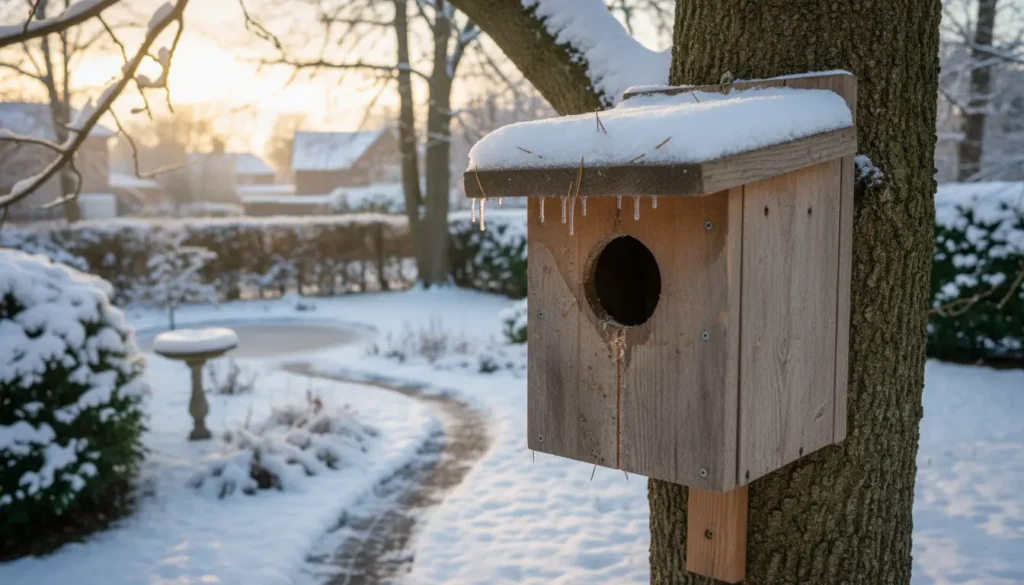
Cold snaps and prolonged freezes can be hard on local wildlife. Squirrels, especially juveniles and late-season kits, may struggle to find dry, insulated nesting spots during harsh weather.
This practical guide explains a surprising but easy garden hack that many homeowners are using: providing purpose-built insulated nest boxes or sheltered cavities that help squirrels stay warm without changing their natural behavior.
Why the garden hack helps squirrels

Providing a safe, insulated shelter reduces energy expenditure for squirrels. When an animal stays warm, it uses less fat reserves and is more likely to survive long cold spells.
The garden hack focuses on offering dry, ventilated spaces lined with natural bedding. It mimics tree cavities or dense leaf nests that may be missing in developed yards.
How insulation and placement matter
Insulation traps the animal’s body heat while keeping wind and moisture out. Proper placement—high enough to deter ground predators and sheltered from prevailing winds—boosts effectiveness.

A well-designed nest box also avoids overheating on sunny days and allows squirrels to enter and exit easily.
Simple garden hack that saves squirrels from freezing
The basic garden hack is building or installing an insulated squirrel nest box and positioning it in a safe part of your yard. Many people repurpose wooden boxes or planters for this purpose.
This method does not require feeding or direct handling, so it stays wildlife-friendly and low-maintenance.
Materials for the garden hack
- Untreated wood or thick plastic planter (weather-resistant)
- Natural bedding: straw (not hay) or untreated wood shavings
- Exterior-grade screws and waterproof sealant for wood joints
- Drill bit for an entrance hole (about 2.5 to 3 inches)
- Mounting hardware or sturdy rope to hang box under eaves or on a tree
- Optional: small roof overhang or metal flashing to shed water
Step-by-step build and setup
- Choose a box: Use an untreated wooden birdhouse-style box or a deep plastic planter with a fitted lid.
- Cut an entrance: Drill a 2.5–3 inch round hole on one side near the top. This size lets squirrels enter but keeps larger predators away.
- Insulate: Line the box with 3–4 inches of straw or dry wood shavings. Do not use cotton batting or loose synthetic fibers—these can mat and hold moisture.
- Seal and weatherproof: Apply waterproof sealant to seams and add a small roof overhang to prevent rain entry. Ensure there is ventilation near the top to avoid condensation.
- Mount safely: Place the box 6–15 feet above ground on a tree trunk or under an eave. Face the entrance away from prevailing winds and toward some shrub cover if possible.
- Monitor from a distance: Check periodically for occupancy and replace bedding each spring to reduce parasites.
Safety and wildlife-friendly tips for the garden hack

Supporting wildlife means minimizing harm and interference. Follow these practical tips to make the garden hack safe.
- Avoid putting food inside the nesting box. Food attracts pests and changes animal behavior.
- Do not use materials that trap moisture, like cotton, felt, or foam; they increase disease risk.
- Keep boxes out of direct sunlight during warm months to prevent overheating.
- Inspect boxes each spring when young squirrels leave nests. Clean with hot water only if needed; avoid harsh chemicals.
What not to do
- Do not introduce heating elements or electric pads. These can fail, cause burns, or create fire hazards.
- Do not attempt to handle or move dependent juveniles. If you find an injured or orphaned animal, contact a licensed wildlife rehabilitator.
Small real-world example
On a suburban street in Portland, a block of neighbors shared a simple plan during a cold snap. Each household added one insulated box to a yard tree or under an eave.
Within two winters, residents noticed regular visits. One homeowner reported seeing a pregnant female use the box for her litter. No food was offered; the shelter simply provided a dryer, warmer resting place.
That small community effort reduced daytime sightings of shivering squirrels and required only a few hours of work per household.
Maintenance and seasonal care for the garden hack
Maintenance keeps boxes effective and safe. Clean and refresh bedding in late spring after juveniles disperse. Replace degraded straw every year.
Inspect fastenings and waterproofing each autumn, and tighten or reseal as needed. If you find signs of pests or disease, remove the bedding and let the box dry before refilling.
Final practical notes
This garden hack is inexpensive and low effort, but it has a measurable effect on local squirrel survival in cold weather. By focusing on dry, insulated shelter rather than feeding, you help animals stay wild and resilient.
Try one box in a sheltered part of your yard this season. Small actions add up when neighbors join in, and the results are often rewarding.



