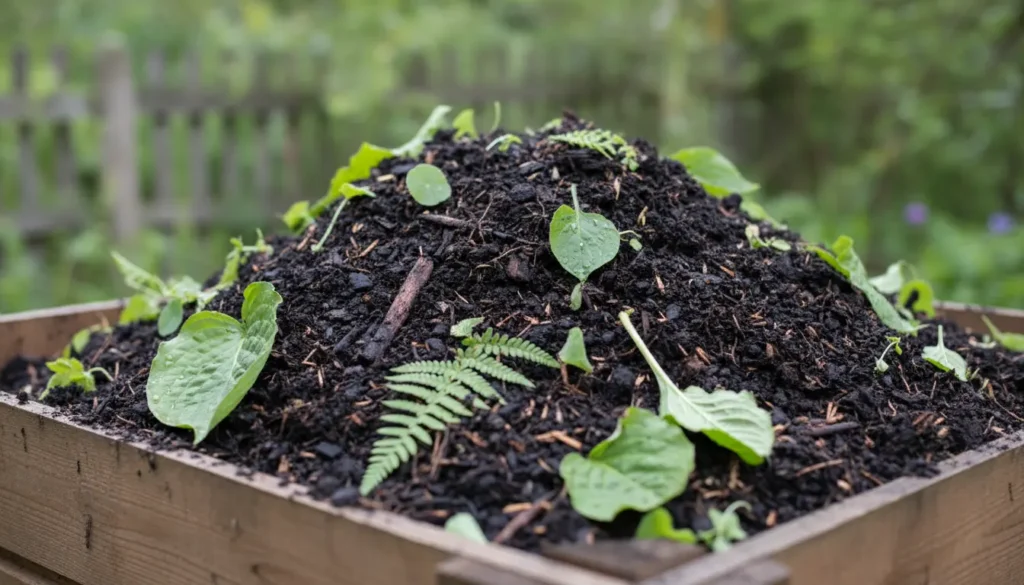
Start Composting at Home with a Simple Plan
Composting at home turns kitchen scraps and yard waste into rich soil that helps plants thrive. This guide gives clear, practical steps so you can begin without special tools or prior experience.
Why Composting at Home Matters
Home composting reduces landfill waste and lowers household methane emissions. It also creates nutrient-dense compost that improves soil structure and plant health.
Small changes in your daily routine can produce valuable compost within a few months. You do not need a backyard to make a meaningful difference.
How to Start Composting at Home
Follow these core steps to start composting at home effectively. Each step is simple and suited for beginners.
1 Choose a Compost Bin
Select a container that fits your space and needs. Options include a small kitchen caddy, a tumbler, or a basic outdoor bin.
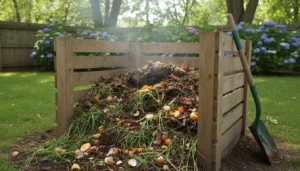
For apartment dwellers, a sealed countertop caddy plus a small outdoor or balcony bin works well. For yard owners, an open bin or tumbler speeds up decomposition.
2 Balance Greens and Browns
Composting works best with a mix of nitrogen-rich greens and carbon-rich browns. Aim for roughly a 2 to 1 ratio by volume of browns to greens.
- Greens: vegetable scraps, fruit peels, coffee grounds, fresh grass clippings.
- Browns: dried leaves, shredded paper, cardboard, straw, wood chips.
Add materials in layers and avoid large clumps of a single type. Chop or shred big items to speed the process.
3 Maintain Your Pile
Regular maintenance keeps your compost active. Turn the pile every 1–2 weeks to supply oxygen and mix materials.
Keep the pile moist like a wrung-out sponge. If it smells, add more browns and turn more often. If it is dry, add water and more greens.
Troubleshooting Common Problems
Even beginners can fix most compost issues with a few adjustments. Check these common problems and solutions.
- Bad odor: Add dry browns and turn the pile to increase airflow.
- Pests: Bury food scraps under browns and use a closed bin or mesh cover.
- Slow decomposition: Chop materials, increase greens, or keep the pile warmer by adding larger volume.
- Too wet: Mix in dry materials and turn more frequently.
What You Can and Cannot Compost at Home
Knowing what goes in prevents problems and protects plants. Here are practical lists for home composting.
- Acceptable: fruit and vegetable scraps, coffee grounds, eggshells, tea bags, yard trimmings, paper, cardboard.
- Avoid: meat, dairy, oily foods, diseased plants, pet waste, and synthetic materials.
Using Finished Compost
Finished compost is dark, crumbly, and smells earthy. Use it as a soil amendment, top dressing, or potting mix component.
Incorporate compost into garden beds at a rate of 1–3 inches and mix into the topsoil. For potted plants, replace up to 25% of potting soil with compost.
Compost can retain moisture and reduce the need for frequent watering. Adding compost to soil can improve water retention by up to 20 percent in sandy soils.
Small Real World Example
Case Study: A small household of two began composting at home using a 40-gallon tumbler. They collected kitchen scraps in a countertop caddy, emptied it into the tumbler twice a week, and added dried leaves from the yard.
Within three months they produced about 15 liters of usable compost. They used it to topdress container tomatoes and reported healthier, more productive plants the following season.
Tips to Speed Up Composting at Home
Want faster results? Try these practical techniques that work for beginners.
- Shred materials with a kitchen scissors or lawn mower to increase surface area.
- Layer greens and browns instead of adding large single-type batches.
- Keep piles larger than one cubic foot to maintain heat but not so large they compact.
- Use a compost thermometer to monitor temperature; 131–160°F accelerates breakdown, but lower temperatures still work slowly.
Safety and Best Practices
Use gloves when turning compost and wash hands after handling. Avoid adding diseased plants or invasive weeds to prevent spreading problems.
If you plan to sell or gift compost, let it mature fully for at least six months to ensure pathogen reduction and seed kill.
Final Steps for Successful Composting at Home
Start small and adjust based on what you observe. Composting at home is flexible and scales to your space and schedule.
With a basic bin, the right balance of materials, and simple maintenance, you can transform household waste into a valuable resource for healthier plants.