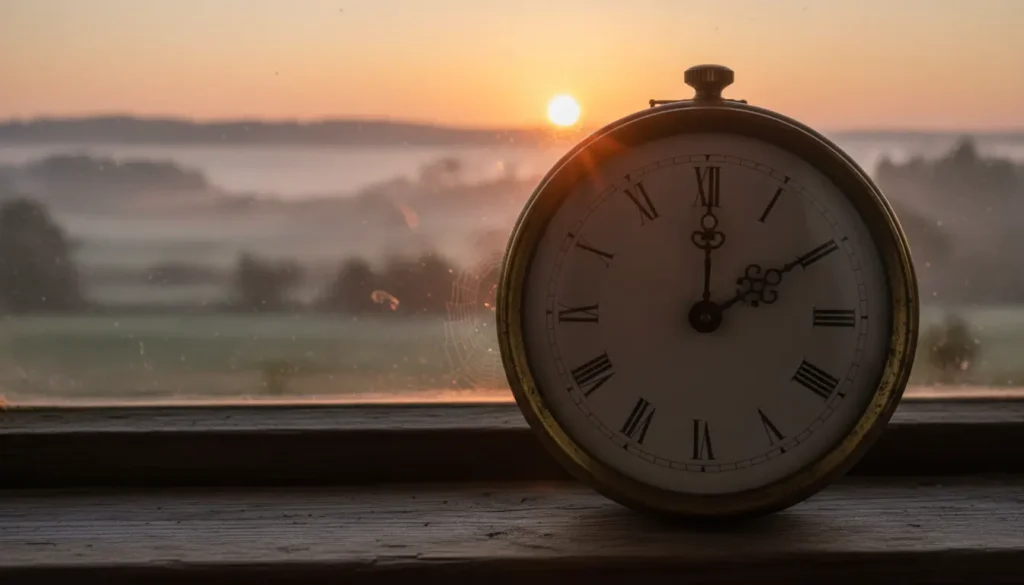
Daylight Saving Time affects many people twice a year. In spring we “spring forward,” moving clocks ahead one hour to shift daylight later into the evening.
Daylight Saving Time 2026: Is the time change this weekend?
If you are in the United States, yes — the time change for Daylight Saving Time 2026 falls on the second Sunday in March. For 2026 that date is March 8. At 2:00 a.m. local time on that date, clocks spring forward to 3:00 a.m.

Not every place follows this schedule. Check your local rules if you live outside the U.S., or in a U.S. territory that does not observe DST.
Which areas change clocks and which do not?
Most U.S. states use Daylight Saving Time. Exceptions include Hawaii and most of Arizona, which stay on standard time year-round. Several countries use different DST dates or have stopped observing it entirely.
- United States & Canada: Second Sunday in March (spring forward) and first Sunday in November (fall back).
- European Union and many European countries: Last Sunday in March and last Sunday in October (dates and rules vary by region).
- Some countries do not observe DST at all. Always check local government sources for the definitive schedule.
Daylight Saving Time 2026 date and time
For clarity, here is the key date for U.S. observers:
- Spring forward: March 8, 2026 — Clocks move from 2:00 a.m. to 3:00 a.m.

If you travel across time zones the same weekend, confirm departure and arrival times with airlines or booking services because local rules can differ.
How to prepare for the time change this weekend
Preparing in advance reduces disruption. Follow these practical steps to adjust your schedule and household smoothly.
- Set clocks the night before bed if you prefer a clean transition, or let most digital devices update automatically.
- Adjust your sleep by shifting bedtime 15–30 minutes earlier for a few nights before the change.
- Update scheduled tasks: alarms, medication reminders, thermostats, and smart home automations.
- Check devices that do not update automatically: wall clocks, ovens, microwaves, and car clocks.
Device and calendar tips
Most smartphones, computers, and major online calendars update automatically when DST starts. Confirm the following settings:
- Ensure time zone is set correctly and automatic time update is enabled in device settings.
- Review calendar events scheduled between 1:00 a.m. and 4:00 a.m. on the change date; some recurring events can shift unexpectedly.
- Business systems: confirm scheduled jobs, backups, and batch processes around 2:00 a.m. to avoid conflicts.
Health and safety tips for spring forward

Even a one-hour shift can affect sleep and routines. Use practical steps to reduce the impact.
- Limit caffeine late in the day the night before the change. Keep evening screens dim and screen time short.
- Get morning sunlight after the change to help reset your internal clock faster.
- Test smoke and carbon monoxide detectors when you change your clocks to ensure batteries and devices work correctly.
Small real-world example
Local bakery example: A small bakery in Chicago usually opens at 6:00 a.m. local time. On March 8, 2026, the owner planned to open at 6:00 a.m. new time.
To avoid confusion the owner took two steps: updated their point-of-sale system settings the night before and posted a reminder for staff to arrive at 5:00 a.m. before the clock change. The result was a smooth opening with no scheduling errors.
- Greenland Declares Emergency After Orcas Breach Near Melting Ice Shelves
- How Mental Balance Improves When Expectations Are Simplified
- Daylight Saving Time Start 2026: When to Set Clocks Ahead
- Official and Confirmed Heavy Snow Set to Begin Late Tonight
- Heavy Snow Set to Begin Late Tonight: Travel Alerts and Dangerous Conditions
Case study: A cross-time-zone meeting
Company X scheduled a weekly 9:00 a.m. ET meeting that included a team in London. The U.S. spring clock change falls earlier than many European shifts. For March 2026 the U.S. changes on March 8, while the UK moves later in March.
To prevent confusion, the meeting organizer sent a calendar invite marked with explicit time zones (9:00 a.m. ET / 2:00 p.m. GMT) and confirmed the time in both locations the week before. Teams updated meeting links and recorded the session to account for any attendance issues.
Quick checklist before the weekend
- Confirm the DST date for your region (U.S. observers: March 8, 2026).
- Enable automatic time updates on phones and computers.
- Set manual clocks the night before if needed.
- Adjust sleep schedule gradually for better rest.
- Verify scheduled systems and calendar events around 2:00 a.m.
- Test safety devices like smoke detectors.
Where to check for official updates
For accurate information check government or official time authority websites. In the U.S., state government sites and the Department of Transportation provide DST guidance.
If you work across borders or rely on international scheduling, use reliable world clock tools and confirm meeting times in both participants’ local time zones.
Following these steps will help you handle Daylight Saving Time 2026 with minimal disruption. Confirm your local rules, prepare devices and calendars, and adjust sleep routines to make the spring forward change this weekend easy to manage.



