Why Home Composting Matters
Home composting turns kitchen and yard waste into a useful soil amendment. It reduces landfill volume, lowers methane emissions, and feeds your garden.
For beginners, composting can seem technical, but basic systems work well with a few simple rules. This guide focuses on practical steps to get started quickly.
Choosing a Compost System for Home Composting

Select the right container based on space, budget, and effort. Common options include open piles, tumblers, and countertop bokashi bins.
- Open pile: Best for yards with ample space. Low cost but slower decomposition.
- Tumbler: Easier aeration and faster results. Good for small yards or patios.
- Bokashi: Fermentation method for kitchens. Works indoors and handles meat and dairy when used correctly.
Where to Place Your Compost
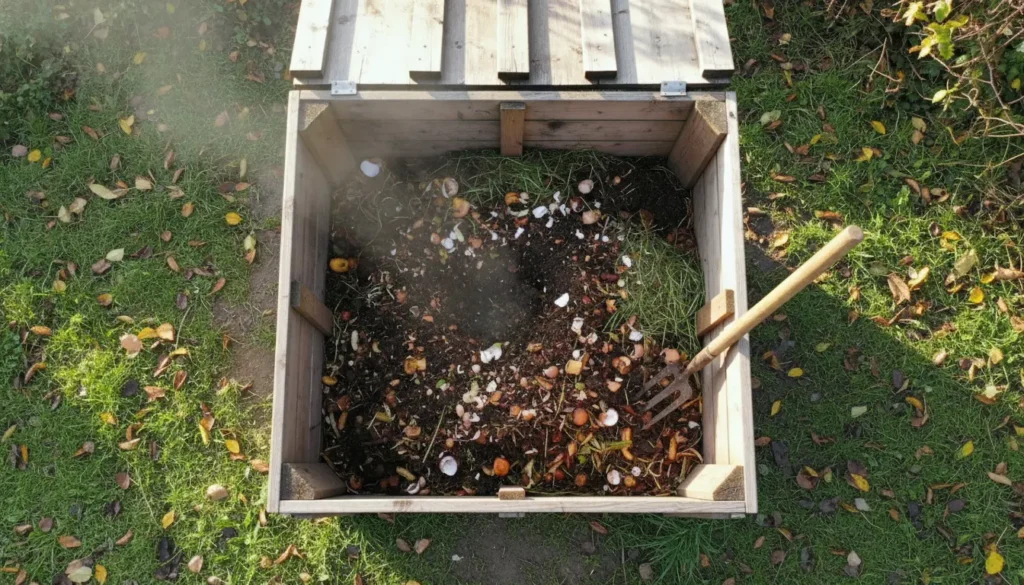
Place outdoor bins on bare soil to allow worms and microbes to enter. Choose a level, shaded spot that is convenient for adding scraps.
Indoor systems should be ventilated and kept away from direct heat. A small countertop bin with an absorbent filter minimizes odors.
What to Compost: Greens and Browns

Balance ‘greens’ (nitrogen-rich) and ‘browns’ (carbon-rich) for efficient home composting. A common target is a 2:1 or 3:1 ratio of browns to greens by volume.
- Greens: Vegetable scraps, fruit peels, coffee grounds, fresh grass clippings.
- Browns: Dry leaves, shredded paper, cardboard, straw, wood chips.
Examples: Add a layer of leaves after several days of kitchen scraps. If the pile smells, add more browns and mix.
Step-by-Step Composting Process
Follow these steps for a stable home composting routine. Keep tasks simple to maintain momentum.
- Collect kitchen scraps in a sealed container and empty into your bin regularly.
- Add a handful of soil or finished compost to introduce microbes.
- Maintain moisture like a wrung-out sponge; add water during dry spells and more browns if it’s soggy.
- Turn or tumble the pile every 1–2 weeks to add oxygen and speed decomposition.
- Harvest finished compost in 2–12 months depending on method and conditions.
Moisture and Aeration Tips for Home Composting

Too wet or too dry stops decomposition. Check the pile weekly and adjust with water or dry materials.
Turning adds oxygen, which encourages aerobic microbes and reduces odor. Tumblers make turning easier for small-scale home composting.
Compost can retain up to 60% of the original carbon in organic materials, improving soil structure and water retention when added to garden beds.
What Not to Put in Your Home Compost
Avoid adding diseased plants, pet waste, and large amounts of meat or dairy to open outdoor piles. These can attract pests or spread pathogens.
Non-compostable items include plastics, glossy paper, and synthetic fabrics. When in doubt, opt for a specialized system like bokashi or municipal organics collection.
Troubleshooting Common Problems
If your compost smells bad, it is likely anaerobic. Add browns and turn the pile to reintroduce oxygen.
If decomposition is slow, check moisture, increase surface area by shredding materials, and add more greens or a small amount of nitrogen fertilizer.
Pest Prevention in Home Composting
Use a closed bin or tumbler if rodents are an issue. Avoid adding meat, bones, or oily foods to open piles.
Bury food waste deep in the pile or use layered browns to mask scents. Secure lids and maintain regular turning.
Real-World Example: A Small Urban Household
The Garcia family, living in a city townhouse, started home composting with a 50-liter tumbler. They separated scraps into a small countertop caddy and emptied it into the tumbler twice a week.
Within six months they produced 40 liters of finished compost and reduced kitchen waste by 35%. They used the compost on balcony planters, improving soil moisture and plant health.
- System: 50-liter tumbler
- Frequency: Empty caddy 2x per week
- Result: 40 liters compost in 6 months; 35% waste reduction
Using Finished Compost in Your Garden
Finished compost looks dark, crumbly, and earthy. Mix it into potting soil, top-dress lawns, or add to garden beds at a rate of 1–3 inches per season.
Start small and observe plant response. Compost improves structure, adds slow-release nutrients, and supports beneficial microbes.
Final Tips for Successful Home Composting
- Keep it simple to build a lasting habit: collect, balance, and turn.
- Measure progress by reduced trash volume and healthier plants, not speed alone.
- Join local composting groups or forums to share tips and troubleshoot problems.
Home composting is a practical step toward sustainable living. With the right container, balanced inputs, and routine checks, beginners can produce valuable compost and cut household waste.



