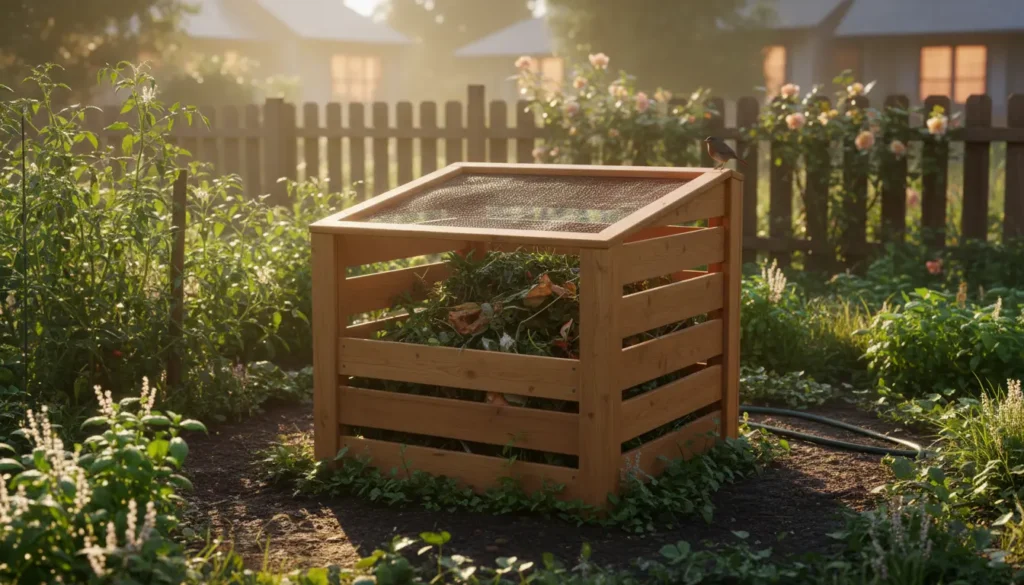
Home Composting for Beginners: Why Start Composting
Composting reduces household waste and creates nutritious soil for plants. It is a low-cost, low-effort way to close the loop on organic materials at home.
For beginners, composting can seem technical, but basic systems take only a little planning and regular attention. This guide focuses on simple, practical steps you can use right away.
What You Need for Home Composting for Beginners
Start with a small set of supplies and grow as you learn. The essentials are easy to find and inexpensive.
- Compost bin or container (tumbler, bin, or a simple pile)
- Kitchen collection container for scraps
- Browns and greens: carbon and nitrogen materials
- Garden fork or aerator for turning
Choosing a System
Pick a container that fits your space and lifestyle. Tumblers are tidy and fast, while open piles or bins are the cheapest option.
Apartment dwellers can use a small indoor worm bin (vermicompost) or bokashi fermenter for limited space.
How Home Composting Works
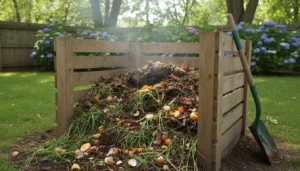
Composting is the controlled decomposition of organic matter by microbes. It needs three key elements to work well: carbon, nitrogen, and moisture.
- Carbon (Browns): Dry leaves, shredded paper, cardboard
- Nitrogen (Greens): Vegetable scraps, coffee grounds, fresh grass clippings
- Moisture: Damp like a wrung-out sponge
Basic Mixing Ratio
A common guideline is roughly 3 parts browns to 1 part greens by volume. Adjust if your pile is too wet or too dry.
If the compost smells, add more browns and increase aeration. If it’s dry and slow, add greens and water lightly.
Step-by-Step Setup for Beginners
Follow these steps for a straightforward and reliable start.
- Pick a location: shaded, well-drained spot near the garden or trash area.
- Choose a container: start with a simple bin or an open pile on the ground.
- Collect kitchen scraps: use a covered counter bin or jar for food waste.
- Layer materials: begin with a 4–6 inch layer of browns, then add greens in thin layers.
- Maintain moisture: keep the pile damp but not soaked.
- Turn regularly: every 1–2 weeks to add oxygen and speed decomposition.
What to Compost and What to Avoid
Good items to compost include fruit and vegetable scraps, coffee grounds, eggshells, paper, and yard waste. Avoid meat, dairy, oily foods, and diseased plants in basic backyard systems.
- Compostable: fruit peels, vegetable trimmings, tea bags, shredded paper
- Avoid: bones, dairy, pet waste, large branches
Troubleshooting Common Problems
Beginners often face a few predictable issues. Most have simple fixes that restore healthy composting quickly.
- Bad odor: Add more browns, turn the pile, and reduce wet waste.
- Too dry: Add water and fresh greens. Covering helps retain moisture.
- Slow breakdown: Chop materials smaller and increase turning to add oxygen.
- Pests: Bury food scraps under a layer of browns or use a closed bin to deter animals.
Small Case Study: Apartment Vermicompost Success
Maria, a city apartment resident, began vermicomposting in a 10-liter worm bin on her balcony. She collected kitchen scraps in a small jar and fed the worms daily.
Within three months she produced one quart of worm castings per week and reduced her kitchen waste by 60%. Her balcony herbs benefited immediately from the nutrient boost.
Key actions that worked: keeping the bin shaded, avoiding excess citrus and onion, and chopping scraps into small pieces.
Using Finished Compost
Finished compost looks dark, crumbly, and smells earthy. Use it to enrich garden beds, potting mixes, or as a top dressing for lawns.
Application ideas:
- Mix 1 part compost with 3 parts potting soil for containers.
- Spread a 1–2 inch layer on vegetable beds each season.
- Top-dress indoor plants in spring to refresh nutrients.
Practical Tips for Home Composting for Beginners
- Keep a small sealed jar for kitchen scraps to avoid odors and pests.
- Shred paper and cardboard to speed breakdown and balance moisture.
- Use a garden fork to turn; aeration is often all a pile needs to revive.
- Start small—scale your system as you grow more confident.
Home composting for beginners is an accessible, practical habit that reduces waste and builds soil health. Begin with simple steps, observe how your system behaves, and adjust using the troubleshooting tips above. With minimal effort you’ll produce valuable compost and contribute to a more sustainable household.