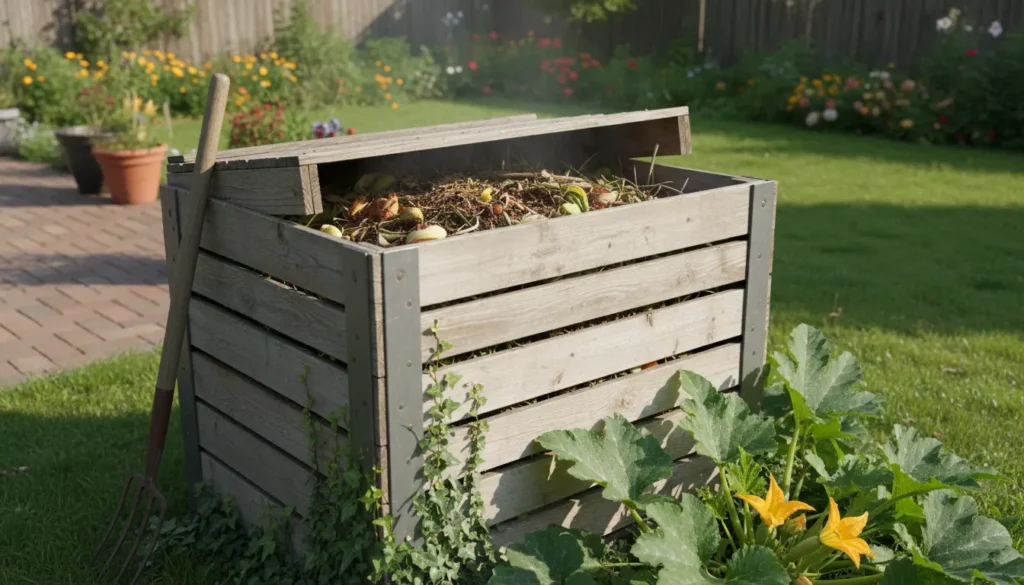
What Is Home Composting?
Home composting turns kitchen scraps and yard waste into nutrient-rich soil using natural decomposition. It reduces landfill waste and produces material you can use to improve garden soil.
This guide on home composting for beginners covers simple methods, what to add, how to maintain your pile, and how to fix common problems. Follow the steps that match your space and routine.
Getting Started With Home Composting
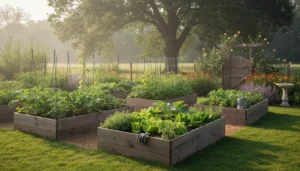
Start by choosing a composting method that fits your living situation. Options include a compost pile, a backyard bin, or a worm bin for small apartments.
Consider container size, exposure to sun and rain, and ease of turning or aerating the compost when you choose placement.
Choosing a Composting Method
Select a method based on available space and how much waste you produce.
- Open pile or tumbler: Good for yards, requires turning every 1–2 weeks.
- Stationary bin: Low maintenance, slower decomposition, keeps pests out.
- Vermicomposting (worm bin): Ideal for apartments, uses red worms to break down food waste indoors.
Setting Up Your First Home Compost Bin
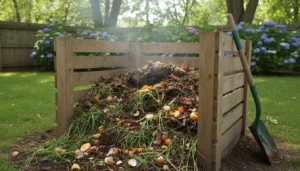
Place your bin on bare soil if possible to allow beneficial organisms and drainage. If you must use a hard surface, add a few inches of coarse material at the bottom for drainage.
Begin with a few inches of coarse material like straw or small branches, then add alternating layers of green and brown materials.
What to Compost and What to Avoid
Understanding what to add will keep your compost healthy and fast. The basic rule is balance: mix green (nitrogen) and brown (carbon) materials.
- Greens (nitrogen): Fruit and vegetable scraps, coffee grounds, tea bags, fresh grass clippings.
- Browns (carbon): Dry leaves, shredded paper, cardboard, straw, wood chips.
- Avoid: Meat, dairy, oily foods, diseased plant material, pet waste, and large amounts of citrus or onion peels that can slow decomposition.
How to Maintain Your Compost
Maintenance is simple: keep the pile moist, aerated, and balanced. Aim for the moisture of a damp sponge.
Turn or mix the compost every 1–3 weeks to add oxygen and speed decomposition. If using a tumbler, rotate it regularly until materials darken and smell earthy.
- Check moisture weekly and add water or dry browns as needed.
- Add small amounts of soil or finished compost to introduce microbes.
- Shred or chop large items to speed breakdown.
Timing and Signs of Finished Compost
Compost can take from two months (hot, well-managed pile) to a year (slow, cool pile). Finished compost is dark, crumbly, and smells earthy.
Screen or sift compost to remove large bits. Use the finished material as a soil amendment or mulch in garden beds and potted plants.
Composting diverts up to 30% of household waste from landfills and reduces methane emissions. Small changes in the kitchen can have a measurable environmental impact.
Troubleshooting Common Problems
Most issues stem from imbalance in moisture, air, or materials. Smells, pests, and slow decomposition each have simple fixes.
- Bad odor: Add more brown materials and turn the pile for aeration.
- Pests: Avoid putting meat, bones, or oily foods in the bin; use a closed bin if necessary.
- Too dry: Add water and green materials. Layers of dry browns can slow the pile.
- Too wet or compacted: Add coarse browns like straw and turn frequently.
Small Case Study: Two Month Kitchen Compost
Marie, a two-person household, started a 60-liter tumbler and collected kitchen scraps in a small container for two months. She balanced greens and browns, shredded cardboard, and turned the tumbler twice weekly.
After eight weeks she had dark, crumbly compost that she mixed into her raised bed. Results included improved soil texture and a noticeable reduction in grocery waste sent to the curb.
Benefits of Home Composting for Beginners
Composting at home has practical benefits beyond waste reduction. It improves soil health, reduces the need for chemical fertilizers, and supports local microbial life.
Beginner composters often discover long-term savings in waste disposal and healthier plants from using finished compost as a soil amendment.
Quick Tips to Stay Consistent
- Keep a small covered container in the kitchen for daily scraps.
- Store shredded paper or cardboard nearby for quick browns.
- Set a schedule to turn or rotate the pile to establish routine.
Home composting for beginners is manageable with basic supplies, a small time commitment, and routine checks. Start small, observe how your pile behaves, and adjust materials and moisture to find the right balance.
With consistent effort you will produce useful compost that nourishes plants and reduces household waste. Try one method for a few months, then refine your approach based on results.