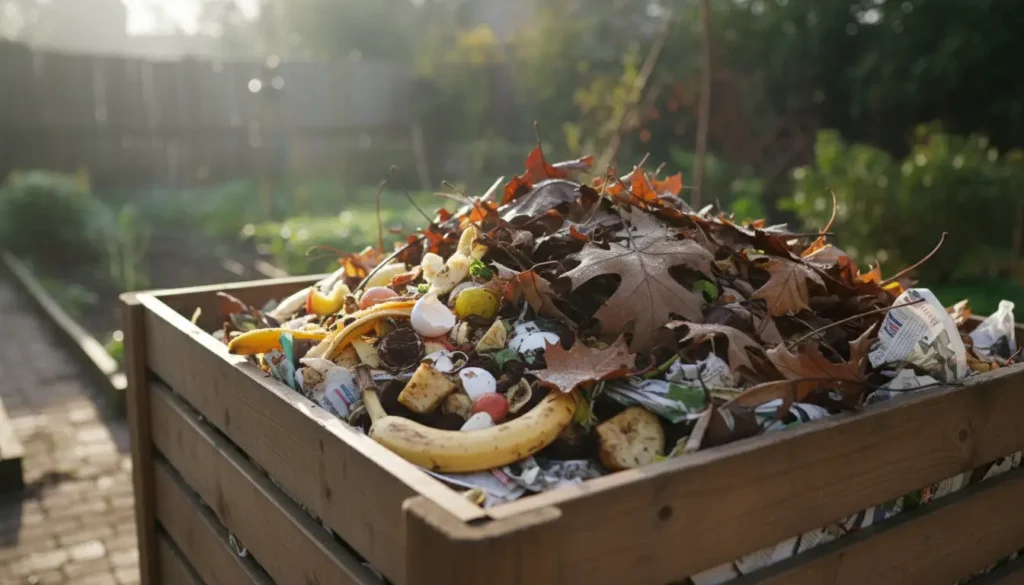
Why Home Composting Matters
Home composting turns kitchen and yard waste into useful soil amendment. It reduces landfill waste and lowers greenhouse gas emissions from organic matter.
Compost improves soil structure, retains moisture, and supplies nutrients for plants. This makes it practical for gardeners and homeowners who want a simple, effective way to recycle organic waste.
How to Start Home Composting
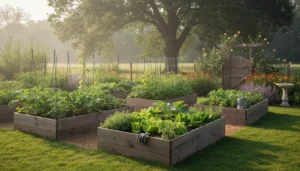
Starting home composting is straightforward and works at any scale. Follow a few basic steps to set up a system that fits your space and schedule.
Choose the Right Location
Select a spot with some shade and good drainage, close enough to the kitchen for convenience. Avoid areas that stay waterlogged or are prone to flooding.
Choosing a Compost Bin
Choose a bin based on available space and how much material you will compost. Options include tumblers, plastic bins, wooden pallets, or simple compost piles.
- Tumbler: Faster, easier turning, great for small spaces.
- Stationary bin: Cheaper, holds more material, requires manual turning.
- Open pile: Lowest cost, needs space and more management.
What to Compost
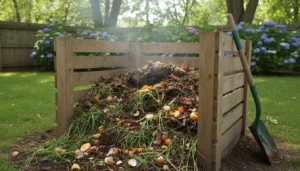
Balance green (nitrogen) and brown (carbon) materials for healthy decomposition. Aim for roughly a 2:1 or 3:1 ratio by volume of browns to greens.
- Greens: fruit and vegetable scraps, coffee grounds, fresh grass clippings.
- Browns: dry leaves, straw, shredded paper, cardboard.
- Avoid: meat, dairy, fats, diseased plants, and pet waste.
Simple Step-by-Step Composting Process
Follow these steps to create and maintain active compost.
- Layer: Start with a layer of coarse material for airflow, then alternate browns and greens.
- Moisture: Keep the pile as damp as a wrung-out sponge.
- Turn: Aerate weekly or biweekly to speed up decomposition and prevent odor.
- Wait: Compost is ready in 2–6 months depending on materials and care.
Adding small amounts of garden soil introduces microbes that speed up composting. A shovelful of finished compost or garden soil can jump-start the process.
Troubleshooting Common Home Composting Problems
Some problems are easy to fix with a change in balance or airflow. Identify the symptom and apply the corrective step below.
Bad Odor
Smells like ammonia indicate too many greens or poor aeration. Add browns and turn more often.
Pile Too Dry
Dry, slow decomposition means add water and more green materials. Cover the bin to retain moisture.
Pile Too Wet or Soggy
Excess moisture leads to anaerobic decay. Mix in dry browns and increase turning to add air.
Maintenance and Tips for Effective Home Composting
Consistent small actions keep compost active and healthy. Use these practical tips to improve results.
- Chop or shred large scraps to speed decomposition.
- Keep a small kitchen caddy to collect scraps and reduce trips.
- Monitor the temperature; a warm internal pile indicates active composting.
- Use finished compost as mulch or mix into potting soil for better plant growth.
Real-World Example: Backyard Compost Success
Case study: A family of four began home composting with a 60-gallon tumbler. They collected kitchen scraps and yard waste for six months.
After three months of regular turning and a balanced mix of browns and greens, they produced rich, dark compost. The family reduced their trash by 30% and used compost on vegetables, which grew more vigorously and needed less watering.
Compost Uses and Simple Recipes
Finished compost has many uses around the home and garden. Apply it to beds, containers, and lawns for improved soil health.
- Vegetable bed: Mix 2–3 inches of compost into topsoil before planting.
- Container plants: Blend 1 part compost with 2 parts potting mix for better water retention.
- Mulch: Spread a thin layer around shrubs to conserve moisture and feed roots.
Conclusion: Small Steps, Big Benefits from Home Composting
Home composting is accessible and cost-effective for most households. With a simple bin, the right materials, and a little maintenance, you can recycle organic waste into a valuable soil amendment.
Start small, monitor the pile, and adapt as you learn. Over time, composting reduces waste, saves money on soil amendments, and helps your garden thrive.