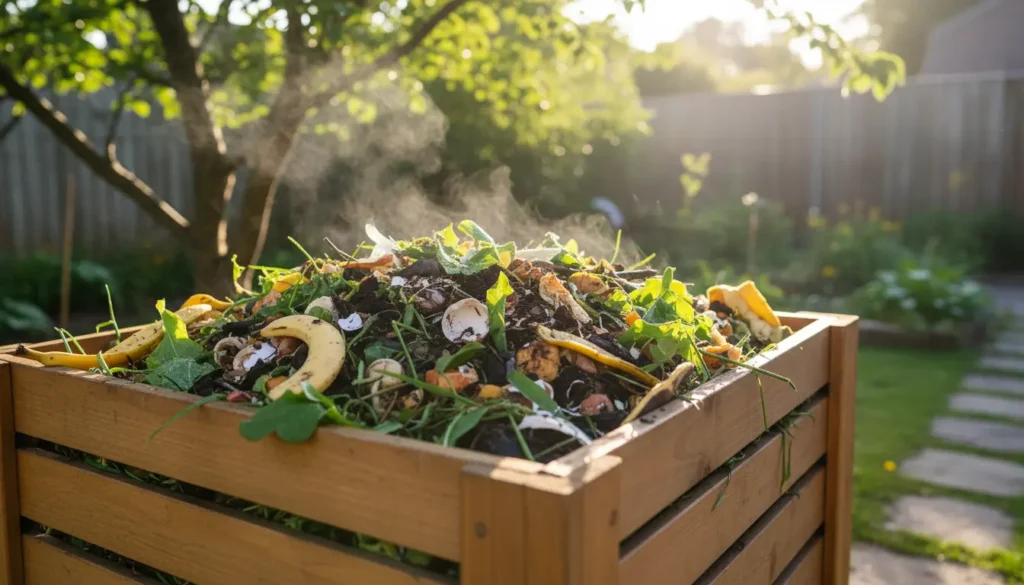
What is Home Composting and Why It Matters
Home composting turns kitchen scraps and yard waste into a nutrient-rich soil amendment. It reduces landfill waste, lowers household odors from trash, and improves garden health.
This guide explains how to start a compost bin, what to add, how to maintain it, and how to fix common problems. The steps are practical and suitable for small yards, balconies, or indoor setups.
How to Start Home Composting

Choose a compost method that fits your space and routine. Popular options include a simple backyard pile, a tumbling bin, or a worm bin (vermicompost) for indoor use.
Follow these basic steps to get started:
- Pick a location with partial shade and good drainage.
- Choose a container or set up a small pile.
- Layer carbon materials (browns) and nitrogen materials (greens).
- Keep the pile moist and aerated.
Materials to Use in Home Composting
Balance is the key. Use a mix of brown and green materials for efficient decomposition.
- Greens (nitrogen): vegetable scraps, fruit peels, coffee grounds, fresh grass clippings.
- Browns (carbon): dry leaves, shredded paper, cardboard, small wood chips.
- Avoid: meat, dairy, oily foods, diseased plants, and pet waste.
Choosing a Bin for Home Composting

The right bin depends on your space and how fast you want compost. Bins help contain material, retain heat, and keep pests out.
Common choices include:
- Tumbling bins — speed up mixing and decomposition.
- Stationary plastic bins — low-maintenance, pest-resistant.
- Open piles — low-cost, best for larger yards.
- Worm bins — ideal for apartments or small indoor setups.
Placement and Setup Tips
Place the bin on soil or a layer of coarse material to allow drainage and access to beneficial organisms. If you use a bin on hard surfaces, lift it slightly for airflow.
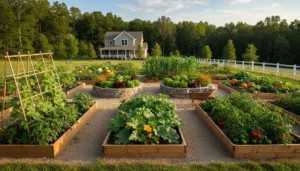
Start with a 6 to 12 inch base of coarse browns to help drainage, then add alternating layers of greens and browns.
Maintaining Your Home Composting Bin
Regular maintenance keeps compost active and odor-free. Focus on moisture, air, and particle size.
- Moisture: The pile should be like a wrung-out sponge — damp but not soggy.
- Aeration: Turn or mix the pile every 1–2 weeks to add oxygen.
- Particle size: Chop or shred larger items to speed decomposition.
How Often to Add Material
Add kitchen scraps regularly and cover them with browns to prevent flies and smells. If the pile cools, add greens and turn it to restart microbial activity.
Troubleshooting Common Home Composting Problems
Most issues have simple fixes. Check moisture, air, and material balance first.
- Bad odors: Add more browns and turn the pile to introduce oxygen.
- Pests: Avoid adding meat or oily foods, use a closed bin, and bury food scraps under a layer of brown material.
- Slow decomposition: Chop materials smaller, add water if dry, or add a handful of garden soil to introduce microbes.
When Is Compost Ready?
Finished compost is dark, crumbly, and smells earthy. Most backyard systems produce usable compost in 3 to 12 months depending on management and season.
Small Case Study: A Simple Home Composting Success
The Miller family began a backyard bin in a suburban yard with two kids and a small vegetable garden. They used a tumbling bin and followed a weekly turning routine.
Within six months they had usable compost and reduced their weekly trash bag by half. They applied compost to their vegetable beds and reported healthier plants and fewer watering needs.
Practical Examples and Weekly Routine
Try this simple weekly routine for an active bin:
- Monday: Add kitchen scraps and cover with shredded paper or leaves.
- Wednesday: Check moisture and add water if dry.
- Saturday: Turn the bin or tumble to aerate.
Adjust frequency based on smell and temperature. In hot months you may need to turn more often.
Using Finished Compost
Use finished compost as a top dressing, soil amendment, or potting mix component. Mix 1 part compost to 3 parts soil for planting, or sprinkle a 1/2 to 1 inch layer around established plants and dig it in lightly.
Quick Checklist for New Home Composters
- Choose a bin that fits your space.
- Balance greens and browns (roughly 2:1 browns to greens by volume).
- Maintain moisture like a wrung sponge.
- Turn the pile regularly for aeration.
- Monitor and correct odors or pests promptly.
Home composting is a manageable step toward reducing waste and improving soil health. Start small, be consistent, and adapt to what your bin needs.



