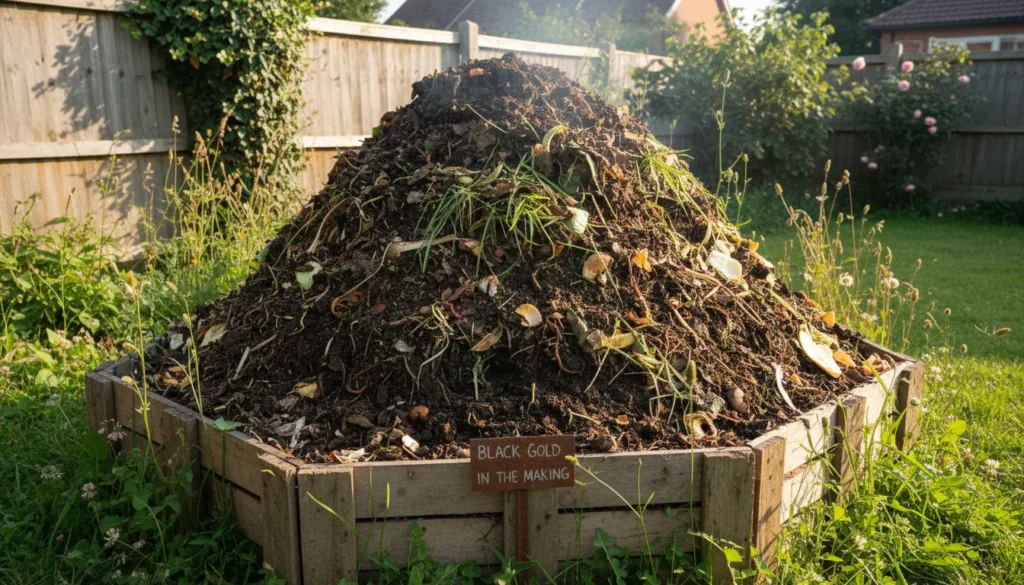
Composting at home turns food scraps and yard waste into valuable soil for plants. This guide explains simple methods, common mistakes, and practical maintenance steps for anyone new to home composting.
Why Choose Home Composting for Beginners
Home composting reduces household waste and feeds gardens with nutrient rich material. It is low cost and works in small spaces with the right approach.

Beginners benefit from choosing a clear method and following a few rules about balancing green and brown materials. The results include healthier soil and less trash to haul.
Getting Started with Home Composting for Beginners
Follow these basic steps to begin. Each step is simple and can be done with common household items.
- Pick a container or a bin that fits your space. Use a small tumbler or a simple open pile.
- Choose a location with partial shade and good drainage. Avoid directly on concrete if possible.
- Learn the green to brown ratio. Aim for roughly two parts brown to one part green by volume.
Choose a Composting Method
Select a method that matches your space and time. Each method has trade offs for speed and effort.
- Bin composting: Simple and tidy for small yards. Turn periodically with a pitchfork.
- Tumbler composting: Faster decomposition and easier turning. Good for beginners who want less manual work.
- Cold pile: Low maintenance but slower. Good for households that accept a longer cycle.
What to Put In and Keep Out

Knowing what materials to add keeps the pile healthy. Keep a short list handy near your kitchen.
- Acceptable green items: fruit and vegetable scraps, coffee grounds, tea bags, fresh grass clippings.
- Acceptable brown items: dry leaves, shredded paper, cardboard, small wood chips.
- Keep out: meat, dairy, oily foods, diseased plants, pet waste. These can cause odors or attract pests.
How to Maintain Your Compost
Maintenance is mostly about moisture, aeration, and balance. Check the pile once a week if possible.
- Moisture: The pile should feel like a wrung out sponge. Add water if too dry and brown material if too wet.
- Aeration: Turn or mix the pile every one to three weeks to add oxygen and speed decomposition.
- Size: Aim for a minimum volume of about 1 cubic foot so heat can build, but smaller setups work too.
Common Problems in Home Composting for Beginners
New composters often face a few predictable issues. Identifying the cause usually makes the fix quick.
- Bad odors: Usually too much green or poor aeration. Add brown material and turn the pile.
- Pest visits: Avoid meat and dairy. Use a closed bin or bury fresh scraps in the middle of the pile.
- Slow breakdown: The pile may be too dry, too cold, or lacking nitrogen. Add water, smaller pieces, and green material.
Tools and Materials for Home Composting for Beginners

You do not need expensive tools. A few basic items will make the job easier and neater.
- Sturdy compost bin or tumbler
- Pitchfork or compost aerator for turning
- Kitchen scrap bucket with a lid or compost caddy
- Garden gloves and a hand trowel
Small Real World Example
A three person household in a city apartment used a 50 liter compost bin on a balcony. They collected fruit and vegetable scraps, coffee grounds, and shredded paper for six months.
After routine turning every two weeks and balancing greens and browns, they produced about 60 liters of finished compost. They used it to top up potted plants and noted reduced fertilizer purchases over the next year.
Simple Weekly Routine for Home Composting for Beginners
Use a short weekly checklist to stay on track. This keeps the pile healthy without much effort.
- Empty kitchen caddy into the bin twice a week.
- Check moisture and add water or dry material as needed.
- Turn the pile every one to three weeks depending on smell and speed.
Composting can reduce household waste by up to 30 percent. Finished compost improves soil structure and helps retain water in garden beds.
Home composting is a practical, low cost step you can take to reduce waste and improve plant health. Start small, keep a routine, and adjust based on what your compost pile needs.
With a little attention each week, beginners will see results within a few months and gain a steady supply of nutrient rich compost for pots and garden beds.



