Home Composting Basics
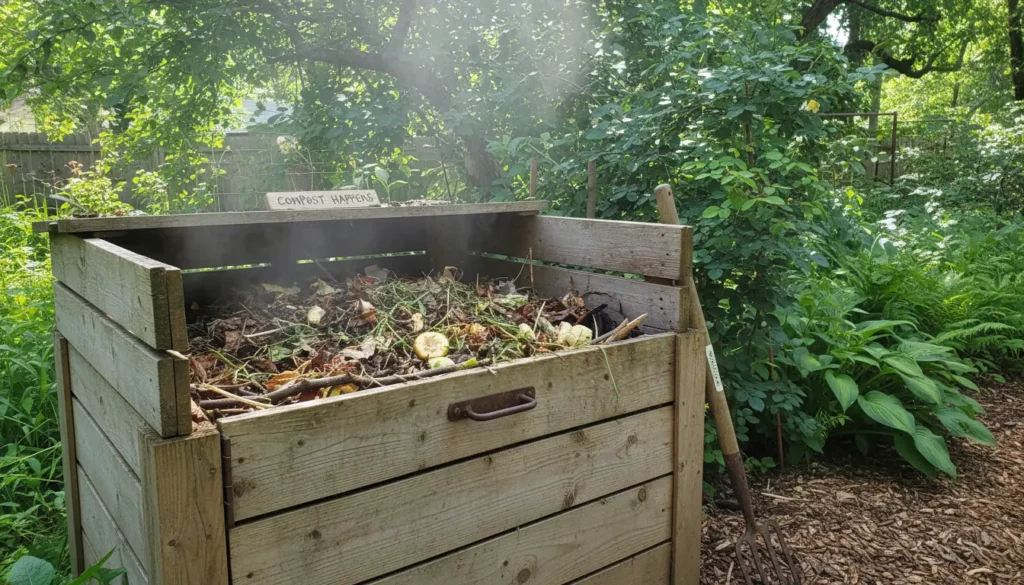
Home composting is the controlled breakdown of organic waste into nutrient-rich soil amendment. It reduces household waste and creates material that improves garden soil structure and fertility.
Why choose home composting
Composting lowers trash volume and cuts methane emissions from landfills. It also returns nutrients to soil, helping plants retain water and resist disease.
Choosing a Home Composting System
Selecting the right system depends on space, the amount of kitchen and yard waste, and how much time you can commit. Common options include backyard bins, tumblers, vermicomposting, and bokashi for small or indoor spaces.
Backyard bin and tumbler options
Backyard bins are simple and cheap and work well for yard trimmings and food scraps when layered properly. Tumblers speed up aeration and are easier to turn, which helps heat and decomposition.
Indoor and small-space systems
Vermicomposting uses worms to process kitchen scraps and is ideal for apartments or limited yards. Bokashi uses fermentation in sealed containers and accepts cooked foods that traditional compost systems struggle with.
Materials and Balance for Home Composting
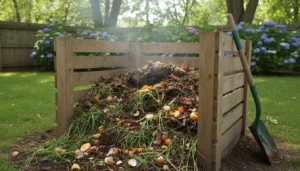
Balance is key: compost needs carbon-rich ‘browns’ and nitrogen-rich ‘greens’ to break down efficiently. Browns include dry leaves, cardboard, and straw; greens include fruit and vegetable scraps, coffee grounds, and grass clippings.
How to layer and maintain balance
Layer a 2–3 inch layer of browns with a thinner layer of greens, and repeat. Aim roughly for a 25–30:1 carbon to nitrogen ratio by weight; practical balancing uses visual cues and experience rather than strict measurement.
Practical Steps to Start Home Composting
Start by choosing a container or area and placing a coarse layer for drainage and airflow. Add alternating layers of greens and browns, keeping materials moist like a wrung-out sponge.
Turning and aeration
Turning mixes oxygen into the pile and helps control odors; do it every 1–2 weeks for active systems. For worm bins and bokashi, regular turning is not needed, but monitoring moisture and temperature is important.
Common Problems and Troubleshooting
Smelly compost usually means too many greens or poor aeration; add more browns and turn the pile. A pile that is too dry will slow; add water gradually and cover during dry spells.
Pests and temperature issues
Attracting pests often results from adding meat, dairy, or oily foods; avoid these in open systems. If the pile never heats, add more greens and increase size or insulate; a minimum volume of about 1 cubic yard helps heating in outdoor piles.
Using Finished Compost
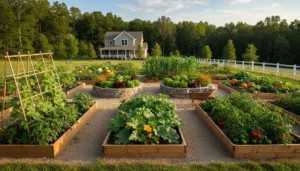
Finished compost is dark, crumbly, and smells earthy. Use it as a soil amendment, topdress for trees and shrubs, or mix into potting mixes and garden beds to improve fertility and structure.
How to test readiness
Compost is ready when materials are unrecognizable and cool to the touch. A small amount should not heat up again after turning; that indicates stability and maturity.
Small Real-World Case Study
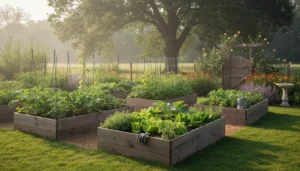
Case study: A suburban family started a 3-bin backyard system and processed kitchen scraps and yard waste for one year. They reduced household trash by 40% and produced about two 5-gallon buckets of finished compost per month to feed a 200 sq ft vegetable garden.
The family used the finished compost to topdress beds and mixed it into planting soil. Their tomatoes and lettuce showed improved growth and fewer waterings needed during summer months.
Quick Checklist for Successful Home Composting
- Choose a suitable system: bin, tumbler, worm box, or bokashi.
- Balance greens and browns; keep materials moist but not soggy.
- Turn or aerate based on system type every 1–2 weeks if active.
- Monitor for pests, odors, and temperature; adjust materials as needed.
- Use finished compost to improve soil structure and fertility.
Final Tips for Home Composting Success
Start small and expand as you learn how your system reacts to local climate and waste types. Keep a small jar of carbon-rich materials like dried leaves or shredded paper nearby to quickly fix balance problems.
Home composting is a practical, low-cost way to reduce waste and enrich garden soil. With simple routines and the right balance, anyone can turn kitchen and yard waste into valuable compost within months.