Small tool, big help: why a tennis ball matters in winter
Cold weather creates everyday hazards for small wildlife. Icy bird baths and frozen pond edges can trap birds and hedgehogs, causing injury or death.
A simple, floating tennis ball provides a safe, immediate option. Properly used, it gives animals a place to grip or rest and gives you a quick rescue aid until you can offer more permanent fixes.
How a tennis ball helps birds in winter

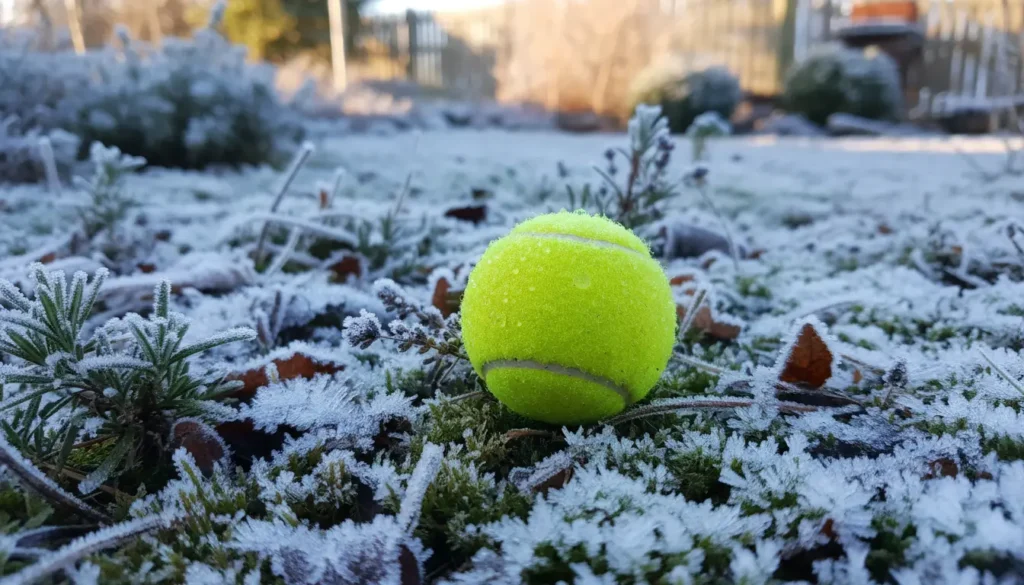
Tennis balls float and are low to the water surface. That floating surface can reduce the risk of birds slipping on ice and give them a visible, stable place to perch.
In partially frozen bird baths, a tennis ball can help keep a small pocket of liquid moving and make it easier for birds to drink or shake snow off feathers.
Key benefits for birds
- Creates a visible landing spot above thin ice.
- Reduces the need for birds to stand on slippery edges.
- Helps maintain a small unfrozen area in shallow baths when used with regular topping up.
How tennis balls can save hedgehogs from icy water
Hedgehogs are curious and clumsy near water. If a hedgehog slips into a pond or deep bird bath, a floating tennis ball can act as an immediate foothold or jump-off point.
Placed near likely escape points, balls give the animal something to cling to while you arrange a safer exit like a ramp or shallow stones.
Practical uses around ponds and bird baths
- Place one or two tennis balls in larger bird baths to offer a mid-water perch.
- Float balls near pond edges where hedgehogs might enter or fall in.
- Keep balls in a shallow tub of warm water for quick deployment during rescue.
Step-by-step: Use a tennis ball to protect wildlife
Follow this simple routine when you see a trapped bird or hedgehog or want to prepare your garden before the deep freeze.
Materials
- Clean tennis ball(s) — avoid very worn or shredded balls.
- Long-handled net or stick (for placing ball without leaning over water).
- Shallow plank or stones to create an escape ramp.
Steps
- Check the area from a safe distance to confirm an animal needs help.
- Use a long-handled tool to place the tennis ball close to the trapped animal but not touching it. A gentle nudge is enough.
- Observe: often the animal will use the ball as a step or resting place.
- While it rests, position a plank or stones to form an easy exit and step back to allow the animal to move away safely.
- Remove the ball after use and dry it before storing for reuse.
Safety and cleaning: do this to stay safe
Not all tennis balls are equal. Old, rotting, or chemically treated balls can be unsafe for wildlife. Use clean, intact balls and inspect them regularly.
- Clean with warm soapy water and rinse thoroughly before first use.
- Replace balls that split, have foam inside exposed, or smell strongly of chemicals.
- Keep domestic pets away while deploying balls near wildlife to avoid stress.
Limitations and responsible use

Tennis balls are a quick, short-term aid — not a permanent solution. They do not replace proper pond ramps, heated bird baths, or natural landscaping changes that help wildlife long-term.
Never push an animal into open water. Use the ball to assist and always follow local wildlife rescue guidance for serious situations.
Floating objects like balls change water surface dynamics slightly, sometimes helping a small area remain liquid by reducing direct wind chill. This can be enough for thirsty birds to drink during mild freezes.
Real-world example: a neighbourhood winter rescue
One community group described a simple rescue after a sudden freeze. A hedgehog had fallen into a shallow garden pond and could not climb out because the stone edge was icy.
Volunteers dropped a clean tennis ball within reach. The hedgehog used it as a stepping stone and was able to climb onto a plank the group positioned as a ramp. The animal was unharmed and recovered nearby.
Alternatives and long-term fixes
For ongoing protection, combine tennis balls with safer, longer-term measures. These changes reduce repeated risk and help more animals.
- Install shallow exit ramps or gently sloping stones in ponds.
- Use heated bird baths or regularly refresh water to prevent freezing.
- Create dry hiding places and hedgehog shelters away from water hazards.
Summary: simple, safe, effective
A tennis ball is a low-cost, low-effort addition to winter wildlife care. It can offer immediate help to birds and hedgehogs faced with icy water.
Used responsibly and alongside longer-term habitat improvements, tennis balls are a useful part of a practical winter wildlife toolkit.