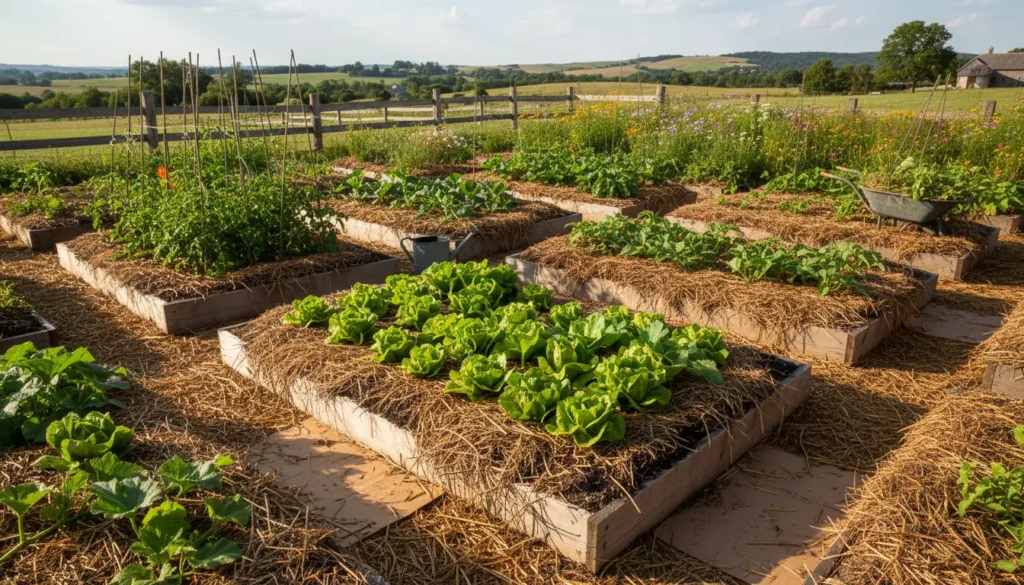
Why Choose a No-Dig Vegetable Garden
No-dig gardening reduces soil disturbance and helps build healthy soil structure. It retains moisture, supports beneficial microbes, and lowers weed pressure.
This method is practical for beginners and busy gardeners because it uses simple layers rather than frequent tilling. The result is often better plant health and less maintenance over time.
Planning Your No-Dig Vegetable Garden
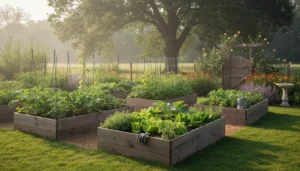
Start by choosing the right spot. Pick an area with at least 6 hours of sun for most vegetables and easy access to water.
Decide on bed sizes you can manage. A common size is 4 feet wide so you can reach the center from either side without stepping into the bed.
Materials Needed
- Cardboard or several layers of newspaper (to suppress grass and weeds)
- Compost (finished or well-rotted)
- Bulk organic matter such as straw, leaf mould, or well-rotted manure
- Mulch for the surface: straw, wood chips, or coarse compost
- Basic garden tools: gloves, watering can or hose, small rake
How to Build a No-Dig Vegetable Garden
Follow these simple steps to create your first bed. Work in layers and avoid digging into the existing soil.
Step 1: Prepare the Ground
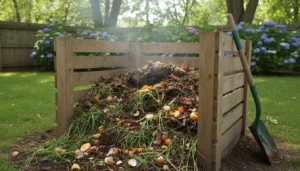
Clear surface debris and mow the grass short if present. Lay down overlapping cardboard or wet newspaper to block light and suppress weeds.
Leave any large perennial weeds roots on the surface; the barrier and top layers will weaken them over time.
Step 2: Add Compost Layer
Spread a 2–4 inch layer of good-quality compost over the cardboard. Compost provides immediate nutrients and supports soil life.
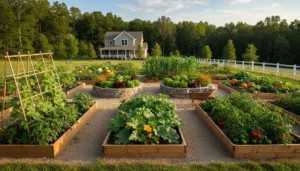
If you have only coarse compost, mix with finer compost or topsoil to create a workable surface for planting.
Step 3: Add Bulk Organic Matter
On top of the compost, add 2–6 inches of bulk organic material such as straw, leaf mould, or well-rotted manure. This layer improves soil structure and moisture retention.
Bulky materials will break down over months and feed the garden. Avoid fresh wood chips directly under seedlings because they can temporarily pull nitrogen as they decompose.
Step 4: Mulch and Plant
Finish with a 1–2 inch mulch of straw or coarse compost. For immediate planting, dig small pockets through the layers to sow seeds or transplant seedlings.
Planting holes should be just large enough for the plant; resist the urge to loosen all layers around each plant. The soil life will integrate roots naturally.
Planting and Crop Selection in a No-Dig Garden
Choose plants suited to your climate and sun exposure. Leafy greens, root vegetables, beans, and tomatoes all do well in no-dig beds.
Use companion planting and succession sowing to get continuous harvests. Examples: sow lettuce every 2–3 weeks and interplant basil with tomatoes.
Example Planting Plan for a 4×8 Bed
- Row 1: Tomatoes (staked) with basil between plants
- Row 2: Peppers or eggplants
- Row 3: Quick greens (lettuce/spinach) for succession sowing
- Edge: Herbs like parsley and chives
Maintenance Tips for No-Dig Vegetable Gardens
Water regularly, especially in the first growing season while the layers settle. Drip irrigation or soaker hoses work well under mulch.
Top up compost or mulch each season with 1–2 inches to maintain fertility and suppress weeds. Avoid walking on beds to prevent compaction.
Weed and Pest Management
- Pull weeds by hand where they appear. Roots are easier to remove when soil life is active.
- Encourage beneficial insects with flowers and avoid broad-spectrum pesticides.
- Use floating row cover for early-season pests and netting for berry crops.
Soil Health and Long-Term Benefits
No-dig gardening builds organic matter and fosters a healthy soil ecosystem. Earthworms, fungi, and microbes increase nutrient availability naturally.
Over 2–3 seasons you will notice improved soil texture, better drainage, and reduced need for fertilizers. The beds become more resilient to drought and heavy rain.
No-dig methods were popularized by organic gardeners in the 1970s and research shows minimal soil disturbance preserves beneficial fungal networks that help plants access nutrients.
Case Study: Converting Lawn to a No-Dig Bed
Maria converted a 10×10 foot patch of lawn to a no-dig vegetable garden in one weekend. She layered damp cardboard, added 6 inches of compost, and topped with straw.
Within one season she grew tomatoes, lettuces, and beans. Weeds stayed minimal and her soil became noticeably darker and easier to work over the year.
Common Questions and Troubleshooting
Can you plant immediately after building the bed?
Yes. Many gardeners plant right away by making small planting pockets through the layers. Transplants do well; seeds may need more consistent moisture.
What if slugs or snails are a problem?
Use barriers such as crushed eggshells or apply organic baits if necessary. Encourage predators like birds and ground beetles by maintaining habitat.
Final Checklist to Start Your No-Dig Vegetable Garden
- Choose a sunny site and define bed size
- Gather cardboard, compost, and bulk organic matter
- Layer cardboard, compost, then bulk matter and mulch
- Plant seedlings or sow seeds in pockets
- Water regularly and top up mulch each season
No-dig gardening is low effort and scalable for any yard or container space. Begin small, observe how the soil improves, and expand as you gain confidence.